
There is something timeless about a brick fireplace. Whether it’s the warmth it brings on a cold evening or the way it becomes the natural focal point of a living space, a fireplace adds character, comfort, and lasting value to any home. For me, building and restoring brick fireplaces is one of the most rewarding parts of masonry. Every project gives me the opportunity to blend structural craftsmanship with artistic detail, creating a feature that homeowners can enjoy for generations.
Over the years, I’ve built and restored fireplaces across Ottawa, Nepean, Barrhaven, Orleans, Greely, Metcalfe, Gloucester, and Downtown Ottawa. Each project comes with its own unique challenges, but the goal is always the same: to create a fireplace that is safe, durable, and beautifully crafted. In this blog, I want to share the detailed process I follow whenever I build or restore a brick fireplace, and how I apply precision at every stage to ensure exceptional results.
Why Brick Fireplaces Require Masterful Craftsmanship
Brick fireplaces are not like other masonry features. They must withstand extreme temperatures, handle constant expansion and contraction, and remain structurally sound for decades. A poorly built or poorly restored fireplace doesn’t just look bad — it becomes a safety hazard.
Here’s why craftsmanship matters so much:
- Fireplaces must be able to tolerate high heat
- Mortar joints need to resist thermal stress
- The structure must draft properly
- The walls must be perfectly straight and plumb
- Brick placement affects performance and longevity
The goal is not only to create something visually appealing but also something safe, efficient, and built to code. Achieving this requires precision, experience, and a deep understanding of how fire and masonry interact.
My First Step: Understanding the Home and the Homeowner’s Vision
Before I design or rebuild a brick fireplace, I take time to understand what the homeowner wants. Fireplaces often hold sentimental or stylistic importance — some homeowners want a rustic, traditional look, while others prefer clean lines and a modern aesthetic.
I consider the following:
- The home’s architectural style
- The layout of the room
- The type of firebox (wood-burning or gas insert)
- The size and height of the opening
- The style of brick preferred
- Whether the project involves building or restoring
- Surrounding finishes and materials
These details help me design a fireplace that complements the home’s character while meeting the homeowner’s expectations for performance and appearance.
Building a Brick Fireplace: My Step-by-Step Process
Constructing a fireplace from scratch requires careful planning and precision. Here is the detailed process I follow:
1. Preparing the Structure and Foundation
A fireplace must sit on a strong, well-supported foundation. I begin by assessing and preparing the base to support the weight of the brick and firebox.
This includes:
- Ensuring proper footings
- Checking load-bearing capacity
- Leveling the surface
- Installing fire-rated materials where needed
Without a strong foundation, nothing else will perform the way it should.
2. Building the Firebox with Heat-Resistant Materials
The firebox is the heart of the fireplace. I build it with firebricks and high-temperature refractory mortar designed to withstand continuous exposure to heat.
When constructing the firebox:
- I lay firebricks in precise patterns
- I ensure uniform thickness of joints
- I create smooth, angled surfaces for proper heat reflection
- I shape the throat to improve draft efficiency
A well-constructed firebox burns cleaner, produces less smoke, and helps heat the room more efficiently.
3. Creating the Smoke Chamber and Flue System
One of the most important aspects of a fireplace is the way it drafts. Proper draft ensures smoke moves upward through the flue instead of entering the home.
I shape the smoke chamber and install the flue system with careful attention to:
- Proper proportions between the firebox and flue
- Consistent narrowing of the chamber
- Airtight mortar joints
- Smooth interior walls that reduce turbulence
Fireplaces built with incorrect draft proportions may smoke, leak fumes, or burn inefficiently. Precision in this stage is absolutely essential.
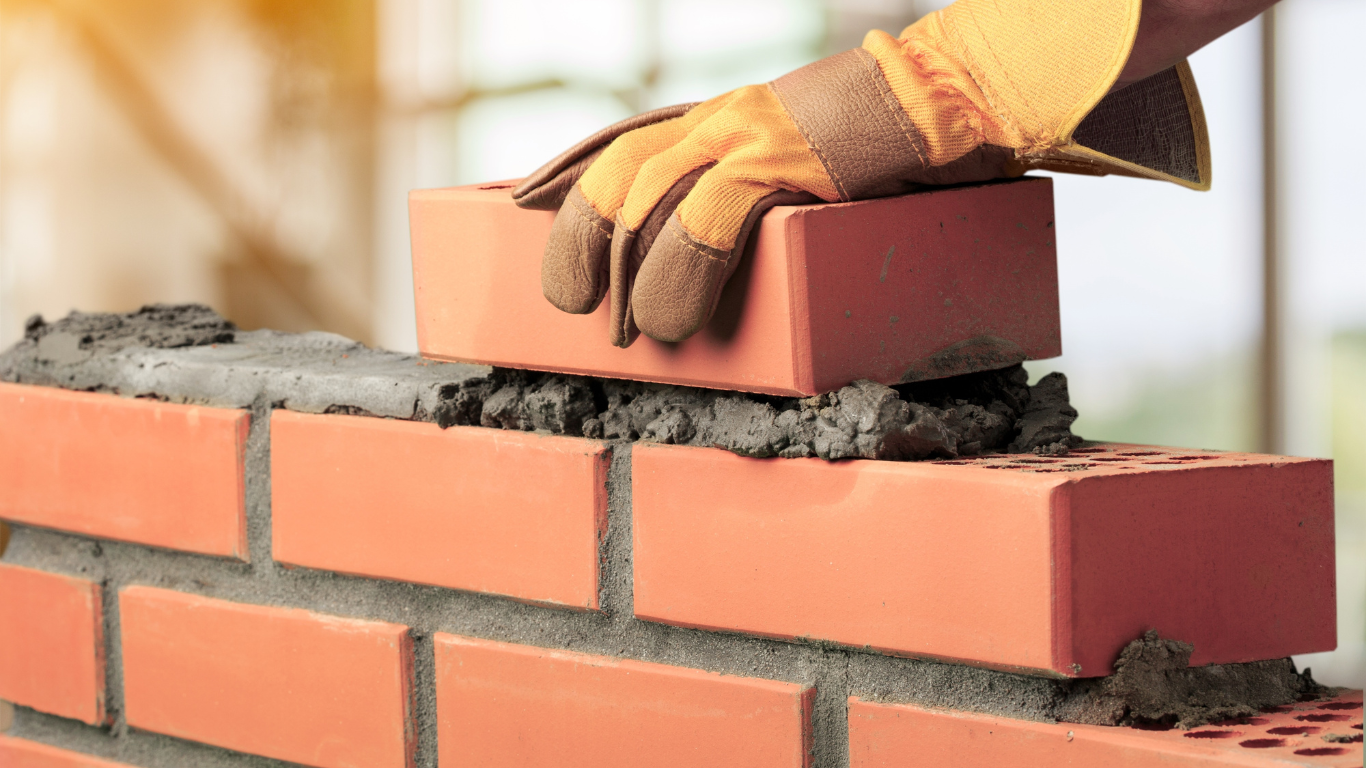
4. Laying the Exterior Brickwork with Clean, Defined Joints
Once the internal structure is complete, I begin the visible brickwork. This is where craftsmanship becomes most noticeable.
I focus on:
- Perfectly aligned brick courses
- Consistent joint spacing
- Matching brick textures and colors
- Clean, sharp edges
- Aesthetic balance and symmetry
Every brick must be placed with intention. A beautiful fireplace is built one brick at a time, with each course contributing to the finished look.
5. Installing the Mantel and Decorative Features
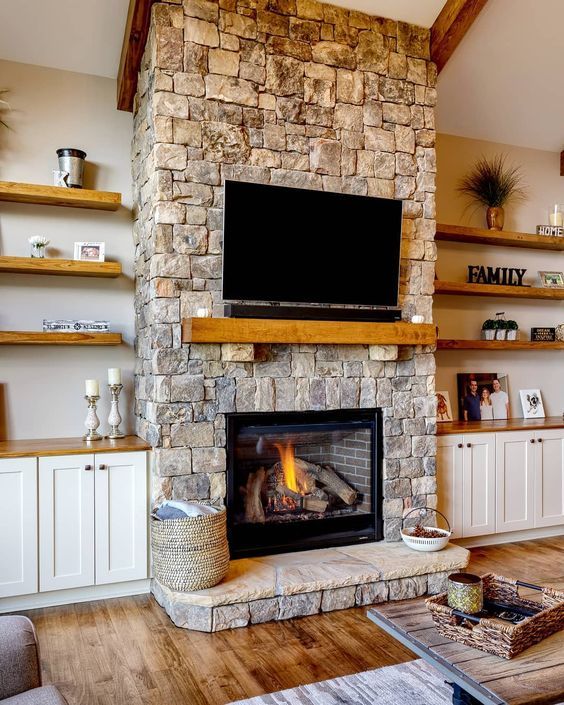
Many homeowners want a mantel or custom surround to complete the look of their fireplace. I work with a variety of materials such as wood, stone, brick, or slab pieces.
My priority is ensuring:
- Proper anchoring
- Structural safety
- Coordination with the masonry
- Clean transitions between materials
Design matters, but so does durability — mantels must remain secure for years of use.
Restoring Brick Fireplaces: How I Bring Old Structures Back to Life
While new construction gives me full creative control, restoration is a completely different craft. It requires respect for the original work, an understanding of traditional techniques, and a careful approach to avoid damaging irreplaceable materials.
Here’s how I restore fireplaces with precision:
1. Assessing Damage and Identifying the Cause
Fireplaces typically fail due to:
- Spalling bricks
- Cracked mortar joints
- Heat damage
- Moisture penetration
- Poor draft design
- Settling of the home
- Previous improper repairs
I never begin restoration until I know why the damage occurred. Fixing only the symptoms guarantees the problem will return.
2. Removing Damaged Brickwork with Surgical Care
I carefully remove damaged bricks without disturbing the surrounding structure. This step requires patience and precision to avoid widening cracks or loosening nearby bricks.
Techniques include:
- Chiseling by hand
- Cutting joints cleanly
- Extracting bricks piece by piece
My goal is always to preserve as much original material as possible.
3. Rebuilding with Matching Bricks and Proper Mortar
To maintain structural strength and appearance, replacements must match the original brick in:
- Size
- Texture
- Color
- Density
I also match the original mortar for:
- Color tone
- Composition
- Hardness
- Joint profile
Matching these details keeps the restoration seamless and historically appropriate.
4. Repointing the Fireplace to Reinforce and Beautify
Repointing is one of the most transformative parts of fireplace restoration. It improves both strength and appearance.
My repointing process includes:
- Removing loose or damaged mortar
- Cleaning joints thoroughly
- Filling joints with fresh, compatible mortar
- Tooling joints for a crisp, professional finish
Well-done repointing tightens the structure and revives the look of the entire fireplace.
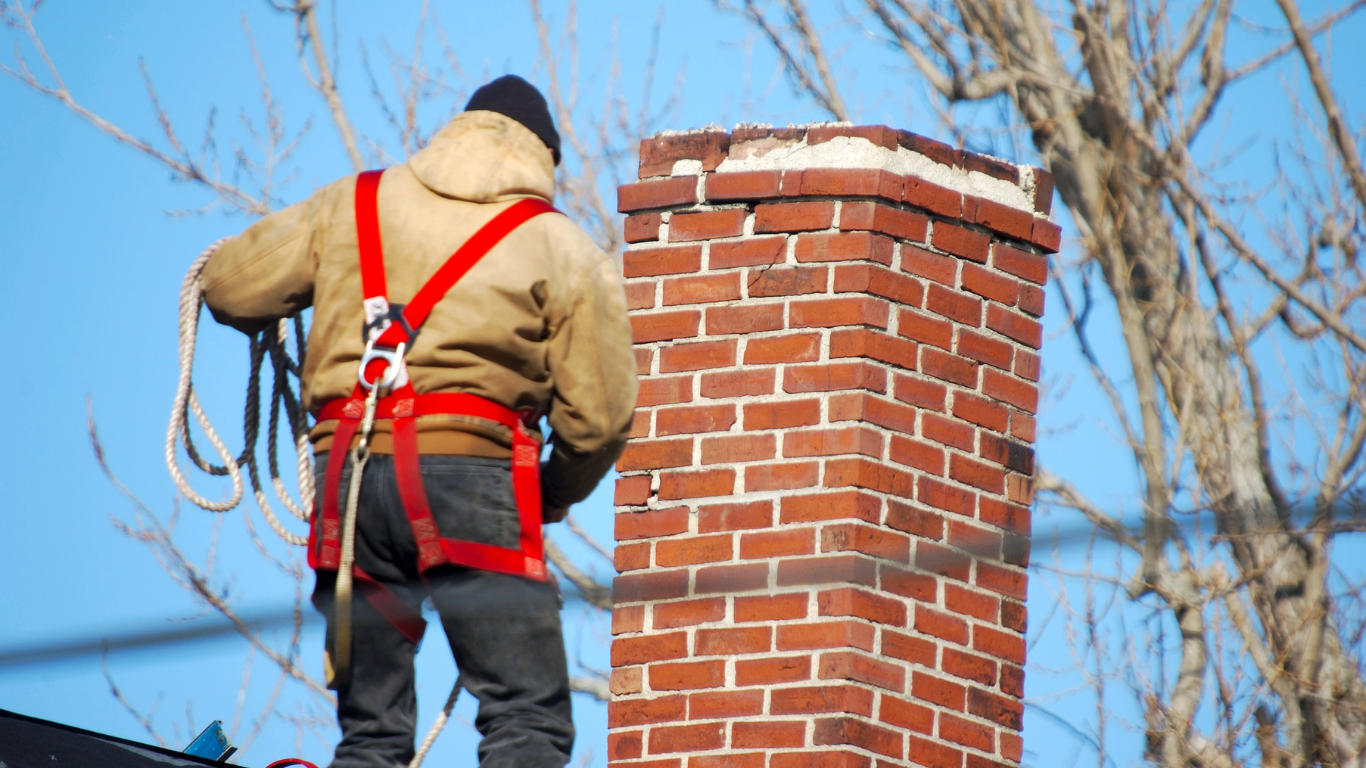
5. Repairing Chimney Components for Safety and Performance
Fireplace restorations often involve chimney repairs as well. I check:
- Brick and mortar condition
- Crown integrity
- Cap functionality
- Flashing
- Flue lining
- Draft performance
Restoring only the fireplace without addressing the chimney can lead to recurring issues, so I evaluate both together.
6. Cleaning the Brickwork for a Fresh, Revitalized Appearance
Once structural repairs are complete, I clean the brickwork using techniques appropriate for the material. I avoid harsh chemicals that damage brick.
My cleaning methods include:
- Soft brushing
- Low-pressure washing
- Masonry-safe cleaners
- Gentle stain removal
The goal is to reveal the brick’s natural beauty without harming its surface.
Why Precision Makes All the Difference in Fireplace Work
Whether building or restoring, fireplaces demand meticulous craftsmanship. Even small errors can affect safety, performance, and longevity.
Precision matters because:
- Draft efficiency depends on proportions
- Heat tolerance depends on proper materials
- Aesthetic beauty depends on clean, consistent masonry
- Safety depends on structural accuracy
- Longevity depends on proper reinforcement
For me, precision is not optional — it’s the foundation of every project.
The Satisfaction of Seeing a Fireplace Come to Life
There is nothing more rewarding than stepping back and seeing a completed fireplace that looks strong, beautiful, and built with intention. Every brick, every joint, every angle contributes to something that becomes part of a family’s everyday life.
A fireplace is more than a feature — it’s a place where people gather, relax, celebrate, and create memories. Knowing that my work plays a part in that experience is something I never take for granted.
Final Thoughts: Crafting Fireplaces That Stand for Generations
When I build or restore a fireplace, I approach it with respect for the craft and a commitment to excellence. I don’t rush through the details, and I don’t settle for “good enough.” A fireplace must be strong enough to withstand heat, built correctly to draft properly, and beautiful enough to elevate the entire space.
Fireplaces deserve craftsmanship that lasts — and that’s exactly what I bring to every project.