
When I talk to homeowners about protecting the structure of their home, one of the first things I emphasize is the importance of proper parging. Many people underestimate how crucial this thin layer of mortar is, but as someone who has repaired, restored, and rebuilt countless foundations across Ottawa, I can confidently say that parging is one of the most effective and essential defenses your home has against long-term damage.
Over time, I’ve seen foundations crumble, basement walls leak, concrete surfaces break down, and exterior walls deteriorate — all because parging was either applied incorrectly or neglected for too long. Ottawa’s climate is not gentle. Between fluctuating temperatures, heavy rain, snowmelt, and constant freeze-thaw cycles, homes here need strong, properly maintained foundation protection.
In this detailed blog, I’ll walk you through what parging does, why it matters, the signs your home needs it, and how I apply it to ensure your foundation stays strong, protected, and visually appealing for decades.
Understanding What Parging Is — and Why It Matters
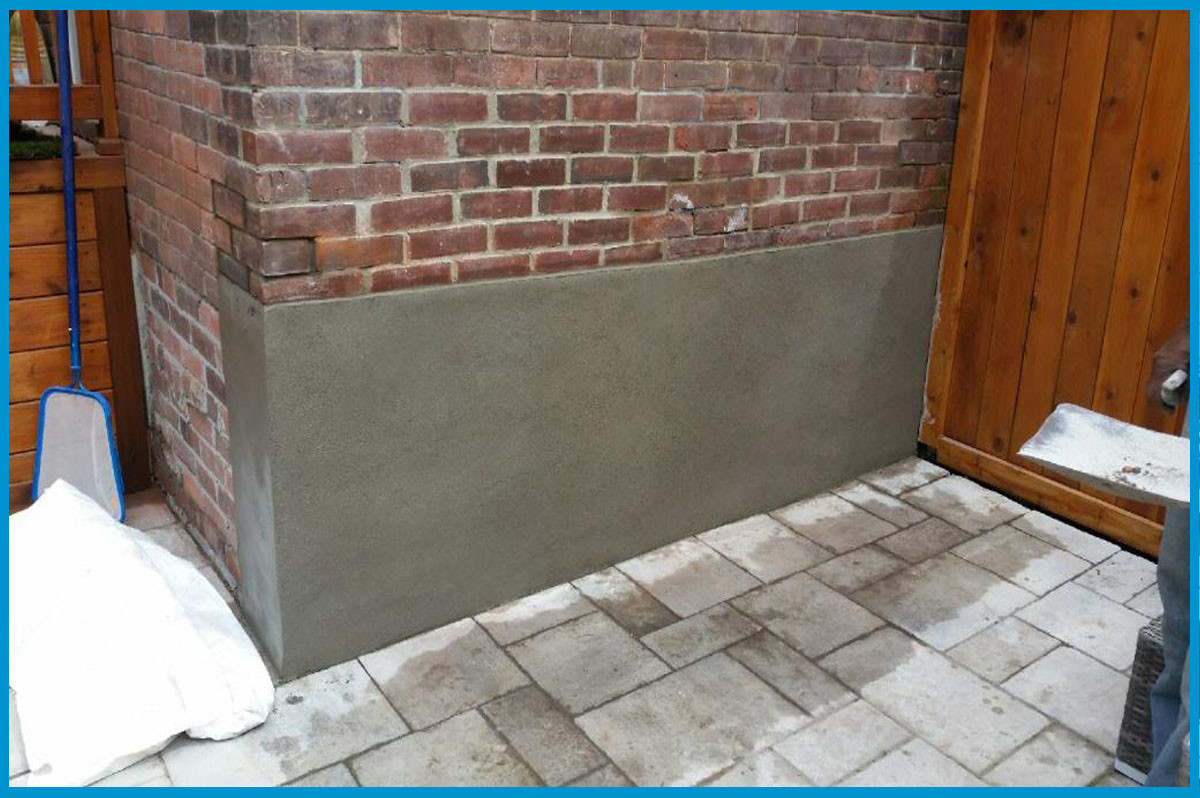
Parging is the process of applying a smooth, protective coat of cement-based mortar to the exterior face of foundation walls. It might look like a simple cosmetic upgrade at first glance, but in reality, it serves multiple structural and protective purposes.
Here’s what parging does for your home:
- Protects foundation walls from moisture
- Shields concrete from deterioration
- Creates a uniform, smooth appearance
- Seals small gaps, cracks, and surface imperfections
- Adds an extra layer of insulation
- Extends the lifespan of your foundation
When parging is applied correctly, it becomes the foundation’s “armor.” It shields it from the elements, prevents water from sneaking into vulnerable areas, and ensures the structural integrity remains consistent year after year.
For me, proper parging is not optional — it’s essential.
Ottawa’s Climate Makes Parging Even More Important
One of the main reasons parging is such a critical part of construction here is because Ottawa experiences some of the toughest weather conditions for concrete and masonry. The freeze-thaw cycles are especially destructive. Water finds its way into the smallest openings in the foundation. When temperatures drop, that water freezes and expands, causing cracks to widen and concrete to break apart over time.
Without proper parging, your foundation is exposed to:
- Moisture seepage
- Frost damage
- Erosion
- Surface cracking
- Structural weakening
- Premature deterioration
By applying a protective coat, I help minimize the amount of water that comes into contact with the foundation surface. This slows down the natural wear that concrete and masonry experience in harsh climates.
How Improper or Old Parging Can Lead to Major Issues
I’ve been called to many homes where the parging was either done the wrong way or had been neglected for years. Here are some of the most common problems I find:
1. Crumbling or Flaking Parging
This is usually caused by poor application or inferior materials. Once the outer layer begins to disintegrate, water penetrates deeper, which accelerates foundation damage.
2. Visible Cracks
Even hairline cracks allow moisture to seep through. These cracks expand, weaken the structure, and eventually require more extensive repairs.
3. Separation from the Foundation Wall
When parging pulls away, it creates gaps where moisture collects. This is a direct path for freeze-thaw damage.
4. Moisture Stains and Leaks
Water marks around the base of the wall often indicate that parging is failing and no longer providing adequate protection.
5. Structural Weakness in Concrete Blocks or Poured Walls
When the protective layer is gone, the concrete is exposed to weathering. Over time, this leads to erosion and structural damage.
I always tell homeowners: fixing parging early is far more affordable and effective than repairing a damaged foundation later.
My Step-by-Step Process for Proper Parging
Every foundation is different, but the method I use has been refined through years of hands-on experience. A flawless parging job depends on careful preparation, the right materials, and precise application.
Here’s how I do it:
Step 1: Assessing the Condition of the Foundation
Before starting any parging project, I thoroughly inspect the foundation. I look for cracks, loose concrete, water infiltration, and existing parging that may be failing. Understanding the extent of the damage allows me to decide whether patching, removal, or a full resurfacing is required.
Step 2: Removing Loose or Damaged Material
Old or faulty parging must be removed before any new application can be successful. I chip away loose sections by hand to avoid damaging the underlying concrete. This ensures a clean, strong surface for the new application to bond to.
Step 3: Cleaning and Prepping the Surface
A clean surface is crucial for proper adhesion. I brush off dust, dirt, and debris, and in many cases, I lightly dampen the wall before applying the new mixture. This prevents the concrete from sucking moisture out of the fresh mortar too quickly, which can cause premature cracking.
Step 4: Repairing Cracks and Filling Imperfections
Before applying parging, I patch any cracks or holes using compatible mortar. This ensures the surface is structurally sound. Skipping this step leads to future failures, as cracks beneath the parging will eventually force their way to the surface.
Step 5: Applying the Parging Coat
This is where craftsmanship becomes essential. I manually apply the mortar in smooth, even layers, ensuring consistent thickness and complete coverage.
High-quality parging shouldn’t be too thick or too thin. The right thickness typically ranges from 1/4″ to 1/2″, depending on the wall’s condition.
Every stroke matters, and I tailor the finish to the homeowner’s preference, whether they want a smooth, clean look or a slightly textured finish.
Step 6: Proper Curing
Curing is one of the most overlooked steps in parging. If the mortar dries too quickly, it becomes brittle and prone to cracking. To avoid this, I keep the surface moist as it cures, ensuring it hardens slowly and evenly.
This step is what gives parging its long-term durability.
Step 7: Optional Sealing for Added Protection
Depending on the environment, I may apply a breathable masonry sealer. This adds another layer of defense against moisture without trapping vapor inside the wall — an important balance for Ottawa’s climate.
The Difference Between Good and Great Parging
Homeowners sometimes ask me why professional parging lasts so much longer than DIY attempts. The answer comes down to 3 things:
1. Preparation
Great parging begins long before the mortar touches the wall. The prep work determines whether the application will bond properly.
2. Materials
I use premium cement-based products specifically formulated for durability and water resistance. These materials hold up far better in Ottawa’s climate.
3. Technique
Parging is an art. Smooth, consistent application requires experience, a steady hand, and knowledge of how mortar behaves as it sets.
When all three elements come together, the result is a finish that not only looks beautiful but also protects your home for many years.
Why Proper Parging Saves Homeowners Money
Many homeowners don’t realize how much they benefit by maintaining their parging. It’s not just about appearance — proper parging prevents expensive repairs down the road.
Here’s how it saves thousands:
- Prevents water from entering foundation walls
- Reduces risk of basement leaks
- Protects against frost-related cracking
- Stops concrete from breaking down
- Prevents mold and moisture issues
- Extends the lifespan of your entire foundation
A well-parged foundation lasts longer, stays stronger, and resists the elements far better than an unprotected one.
Signs It’s Time to Re-Parge Your Foundation
If you notice any of the following, it’s time to schedule an inspection:
- Chipped or flaking parging
- Cracks or gaps in the surface
- Moisture stains
- Loose sections falling off
- Visible deterioration of the concrete
- Cold drafts or moisture issues indoors near the base of the wall
Early repairs are far less costly than full foundation restoration. I always encourage homeowners to address issues as soon as they arise.
My Commitment to High-Quality Parging Work
Parging may seem simple, but when it’s done right, it provides long-term protection that your foundation depends on. I take pride in the quality, consistency, and durability of my work. Every home I work on receives the same level of attention, whether I’m patching a small area or resurfacing the entire foundation.
For me, proper parging isn’t just applying a coat of mortar. It’s about:
- Strengthening your home
- Protecting the structure
- Enhancing curb appeal
- Preventing costly damage
- Delivering craftsmanship that lasts
A well-parged foundation reflects the kind of long-term thinking I bring to all of my projects.
Final Thoughts: Parging Is Protection Your Home Cannot Afford to Skip
Your foundation is the backbone of your home, and parging is one of the simplest, most effective ways to protect it. When applied with care and expertise, it becomes a long-lasting barrier that shields your home from moisture, weather, and deterioration.
As a mason who has seen the consequences of neglected parging, I cannot stress enough how important it is to maintain this protective layer. It’s a small investment that delivers huge value — both in appearance and longevity.