
Masonry restoration is one of the most rewarding parts of my work. There is something powerful about taking an aging brick wall, a neglected chimney, or a weathered stone façade and bringing it back to its original strength and beauty. I’ve restored countless brick and stone structures across Ottawa, Nepean, Barrhaven, Orleans, Greely, Metcalfe, Gloucester, and Downtown Ottawa, and every project teaches me more about the craftsmanship, patience, and precision it takes to restore masonry the right way.
When I restore masonry, I’m not just repairing what’s damaged. I’m preserving history, enhancing safety, and reviving the character of a building. Whether it’s a century-old home with handmade bricks or a modern stone feature that has suffered wear over time, restoration requires a deep understanding of materials, careful assessment, and skilled execution. In this detailed guide, I’ll take you through how I bring aging brick and stone back to life using proven techniques, thoughtful planning, and artisan-level craftsmanship.
Why Masonry Restoration Matters
Before diving into the process, it’s important to understand why proper restoration is so critical. I often meet homeowners who don’t realize how much damage can occur beneath the surface of aging brick or stone. Ottawa’s climate plays a major role in accelerating deterioration. Freeze-thaw cycles, moisture intrusion, shifting soil, and even airborne pollutants gradually weaken masonry.
When brick or stone begins to show signs of age, it rarely stays a small issue. Minor gaps become water channels. Tiny cracks begin expanding. Mortar joints loosen. Moisture settles deep inside the wall. Masonry doesn’t fail all at once — it fails slowly, and then suddenly. Restoration is what stops that cycle in its tracks.
Proper restoration:
- Strengthens structural integrity
- Prevents water intrusion and interior damage
- Preserves architectural character
- Extends the lifespan of the building
- Improves energy efficiency
- Protects the property’s long-term value
For me, restoration is not just about making the surface look good. It’s about ensuring the entire structure is safe, durable, and built to last.
Step 1: Studying the Structure and Identifying the True Source of Damage
Before I make any repairs, I carefully assess the structure from top to bottom. Every crack, stain, and loose brick tells a story. A good restoration begins with understanding what caused the damage in the first place, not just repairing what you see on the surface.
During my assessment, I look for:
- Mortar deterioration caused by age or poor mixing
- Efflorescence indicating moisture migration
- Cracks from foundation settlement
- Spalled bricks from freeze-thaw absorption
- Loose stones from failing joints
- Water stains from drainage issues
- Previous patch repairs done improperly
Often, the visible damage is only part of the problem. Water infiltration behind the face of the wall is one of the biggest hidden threats. If I only repair what I can see, the underlying issues will continue. My goal is to diagnose the cause with accuracy so the restoration solves the problem permanently.
Step 2: Choosing Materials That Match the Original Construction
Once I’ve identified the issues, I select materials that match the original masonry as closely as possible. This is both an art and a science. Older homes often used bricks, stones, and mortar mixes that aren’t produced anymore. Finding the right match is essential for long-term performance and seamless appearance.
I examine:
- Brick size, texture, and density
- Stone type and grain pattern
- Mortar composition, color, and hardness
- Historical construction methods
- Joint style and depth
Matching mortar is especially important in restoration. Modern mortars are often too hard for older brick, which can cause the brick to crack instead of the joint doing its job. I custom-mix mortar that complements the original material and allows for proper expansion and movement.
When the new matches the old perfectly, the restoration blends so seamlessly that no one can tell where the work was done — and that’s exactly what I aim for.
Step 3: Restoring Brickwork with Precision and Care
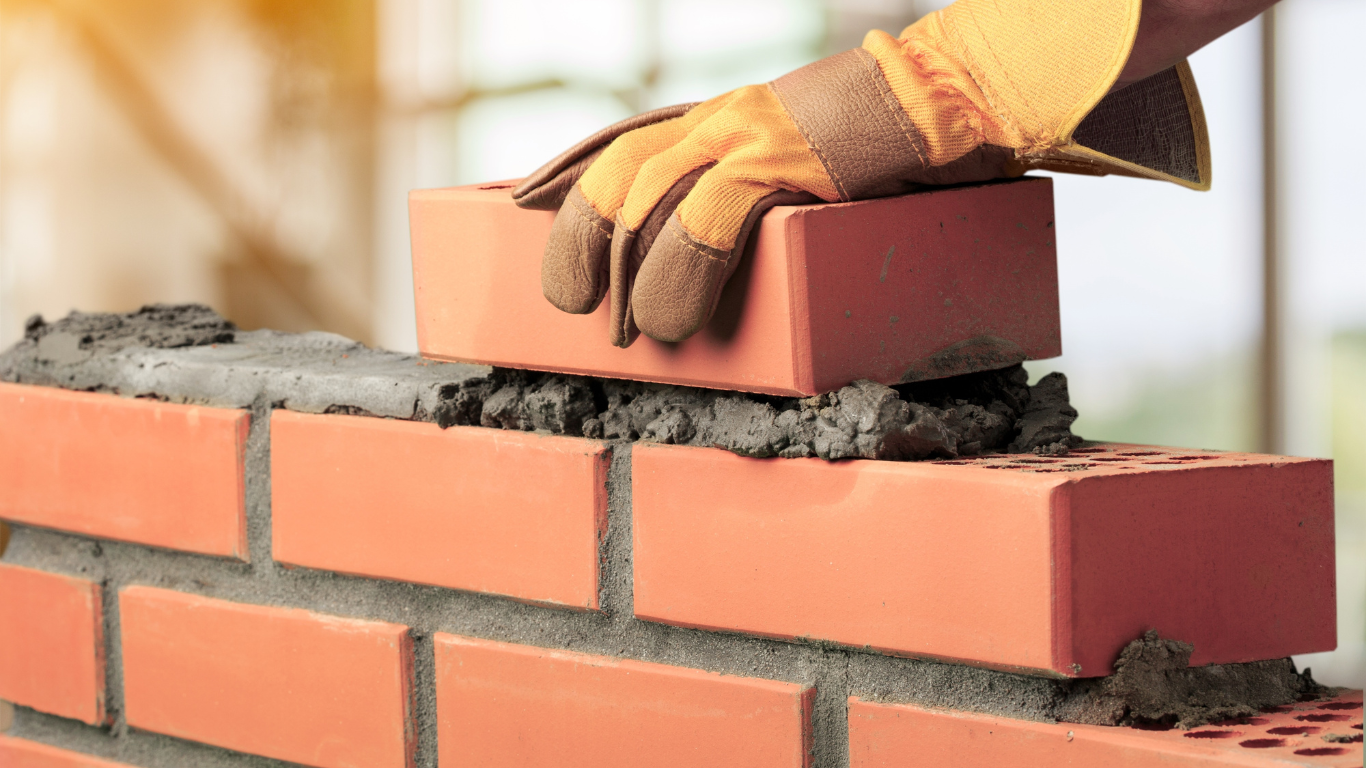
Brick restoration requires a steady hand and a deep respect for the material. Before replacing any brick, I determine whether it can be salvaged. Many bricks that appear too far gone can actually be revived with careful cleaning and repointing.
When replacement is needed, I remove the damaged brick without harming the surrounding structure. It’s a delicate process that involves cutting, prying, and easing each unit out methodically. I never rush this step — damaging the surrounding masonry is not an option.
After removal, I reset new or salvaged bricks with:
- Proper alignment
- Correct joint spacing
- Clean, even mortar application
- Full bonding and consolidation
- Perfectly tooled joints for appearance and longevity
Brick restoration is about craftsmanship. Even one misplaced brick can interrupt the entire pattern, so precision is essential.
Step 4: Restoring Stone with Respect for Its Natural Integrity
Stone restoration requires its own set of skills. Stone behaves differently from brick — it has veins, natural fractures, and unique densities that influence how I cut, shape, and position it.
When restoring stone walls or features, I focus on:
- Removing loose or damaged stones
- Replacing broken pieces with matching stone
- Rebuilding structural sections without altering original alignment
- Carefully repointing with the correct mortar
- Preserving natural surface textures
Stone is incredibly strong, but when it fails, it requires a patient and skilled approach to repair it properly. I always respect the material’s natural patterns and character so that the final restoration looks authentic and remains structurally sound.
Step 5: Mastering the Repointing Process
Repointing — removing old mortar and replacing it — is one of the most important steps in masonry restoration. Well-done repointing breathes life back into aging structures, strengthens walls, prevents water entry, and restores the original aesthetic.
I repoint masonry by:
- Removing old mortar carefully by hand
Mechanical tools can damage the brick or stone, so I use hand tools for precision. - Cleaning joints thoroughly
Clean joints ensure strong bonding of new mortar. - Applying new mortar in layers
Each layer must be compacted properly to avoid voids. - Tooling joints at the right moment
Timing is critical to achieving the correct finish and weather resistance. - Matching the joint style
The joint profile must match the original design to preserve the structure’s character.
Repointing isn’t just maintenance — it’s restoration at its core. It protects the wall, seals it from moisture, and makes the entire structure look renewed.
Step 6: Cleaning and Finishing Without Damaging the Masonry
Cleaning old masonry requires expertise. Harsh chemicals and aggressive tools can permanently scar brick or stone. I use methods that safely remove dirt, staining, soot, and biological growth without harming the surface.
My cleaning process may include:
- Soft brushing
- Specialized masonry-safe cleaners
- Low-pressure washing
- Poultice applications for deep staining
The goal is to reveal the true beauty of the brick or stone without stripping away its protective layers or damaging its surface.
Step 7: Restoring Chimneys with a Focus on Safety
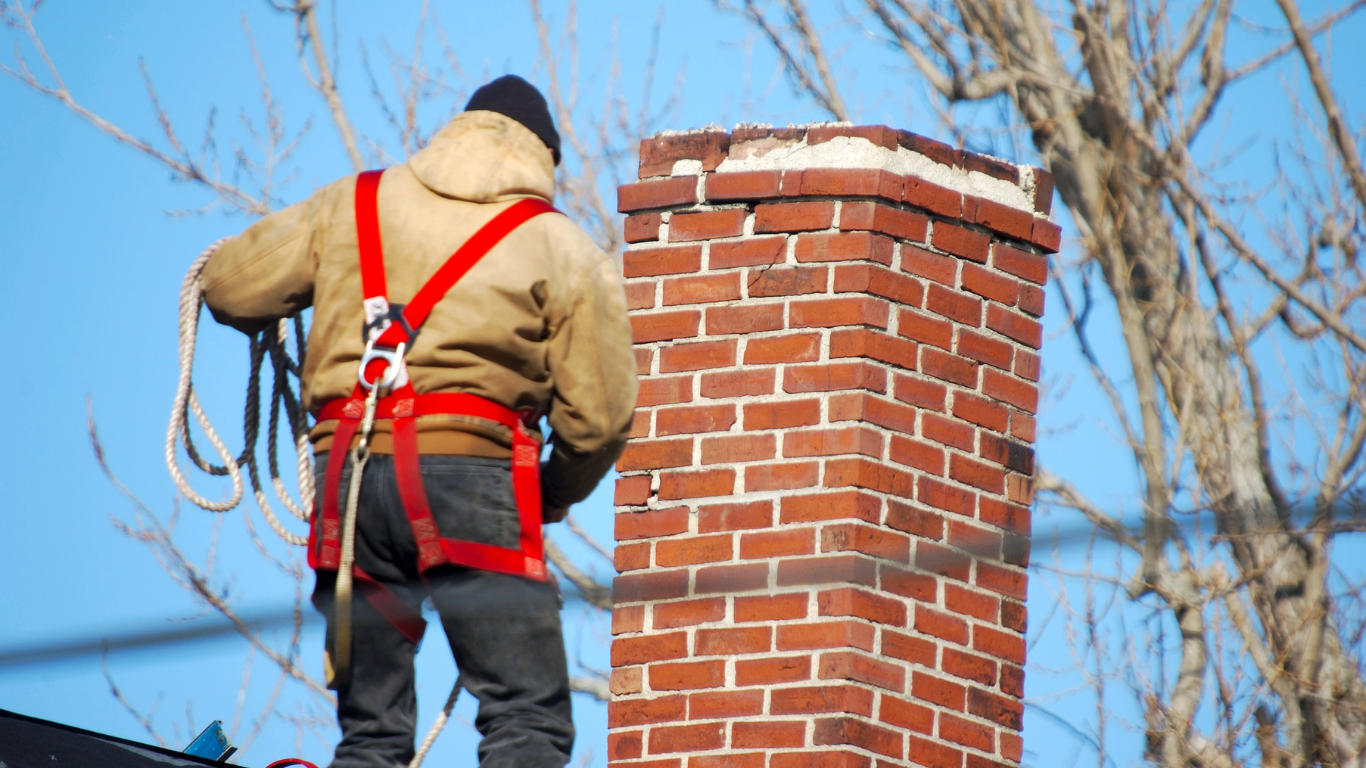
Chimneys require restoration more often than almost any other masonry feature. They endure heat, moisture, and Ottawa’s harsh weather — a combination that accelerates wear.
When I restore chimneys, I inspect and repair:
- Brick and stone surfaces
- Mortar joints
- Chimney caps
- Crowns
- Flashing
- Structural stability
- Fire safety concerns
Chimney restoration is about more than appearance. It’s about ensuring the structure is safe, efficient, and protected from water penetration and heat exposure. A properly restored chimney will serve the home faithfully for many years.
Step 8: Protecting the Masonry After Restoration
Restoration does not end when the mortar dries. I take steps to protect the masonry so it stays strong for decades.
This may include:
- Moisture control strategies
- Surface sealing with breathable products
- Improving drainage
- Repairing grading issues
- Adding or improving flashing
- Educating homeowners on maintenance
A well-restored wall is an investment worth protecting, and I make sure every homeowner knows how to care for it properly.
The Satisfaction of Bringing Brick and Stone Back to Life
There is something deeply rewarding about seeing an aging, damaged structure transformed into something strong, beautiful, and vibrant again. Restoration is not simple repair work — it’s a blend of history, skill, and respect for craftsmanship.
Every time I complete a restoration project, I feel pride knowing I’ve preserved part of a home’s story. Whether it’s the charm of old brick or the strength of natural stone, restoring those materials reconnects the structure with its original character.
Restoration requires patience, attention to detail, and a genuine passion for masonry. These are values I bring to every project I take on.