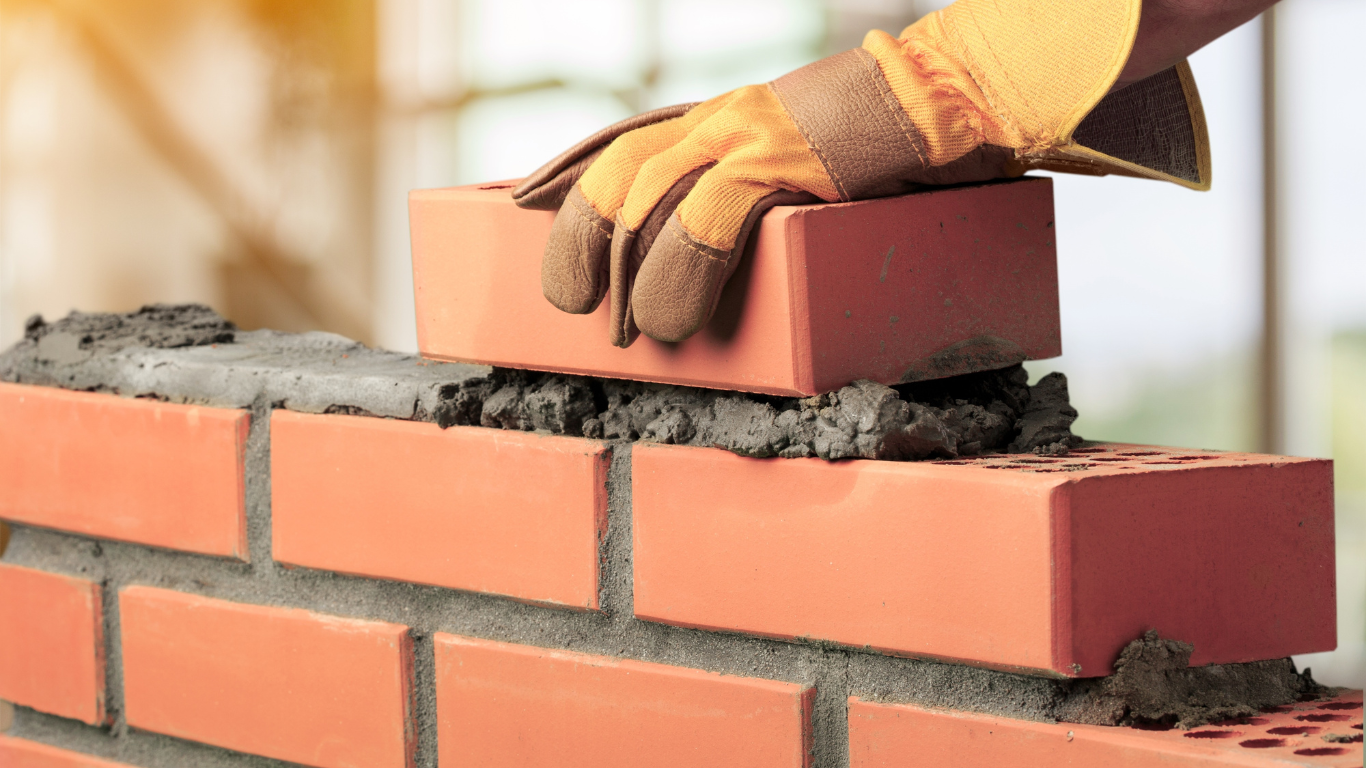

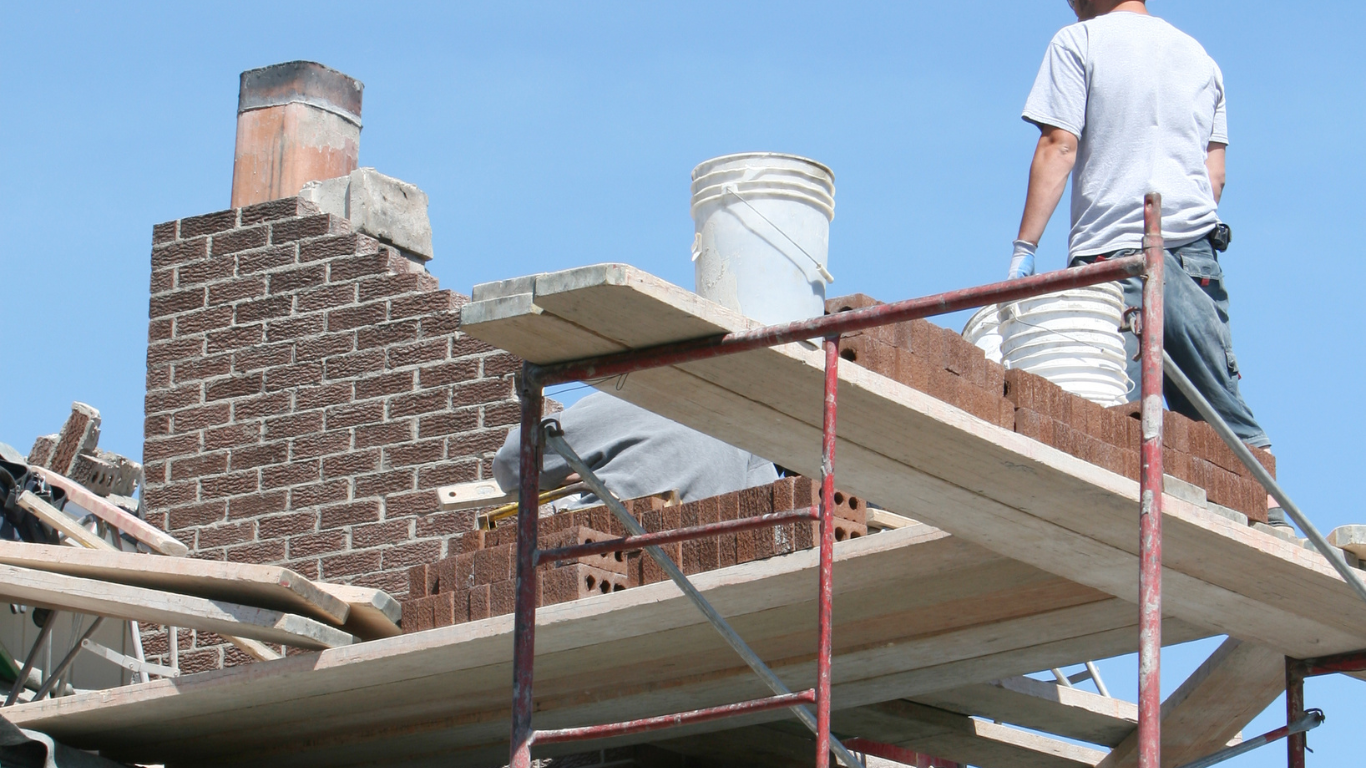
Ottawa’s core is filled with character-rich homes that reflect decades of architectural history. From brick townhouses to early detached homes, many of these properties were built with solid masonry techniques that have stood the test of time. However, even the best-built masonry systems are not immune to aging. Over the years, I’ve worked on countless older homes across Ottawa’s core, and I consistently see the same masonry issues appear again and again.
Older masonry was built to last, but it was also constructed under very different conditions than modern homes. Materials, construction methods, and environmental exposure have all changed. As a result, these homes often face unique masonry challenges that require careful attention and proper repair.
In this blog, I’ll walk through the most common masonry issues found in older homes throughout Ottawa’s core, explain why they occur, and highlight why addressing them early is essential to protecting the structure and longevity of the home.
Why Older Homes in Ottawa’s Core Face Unique Masonry Challenges
Older homes were often built with solid masonry walls rather than modern cavity wall systems. While this construction method provided strength and durability, it also means these walls respond differently to moisture, temperature changes, and structural movement.
Key factors that affect older masonry include:
- Decades of exposure to weather and moisture
- Repeated freeze and thaw cycles
- Natural settlement over time
- Aging mortar materials
- Past repairs using incompatible materials
- Changes in surrounding ground conditions
Because these homes have been standing for so long, even small masonry issues can indicate deeper structural stresses that need to be addressed thoughtfully.
Deteriorating Mortar Joints
One of the most common masonry issues I encounter in older Ottawa homes is deteriorating mortar. Mortar is intentionally softer than brick or stone so it can absorb movement and stress. Over decades, this means mortar naturally wears down.
Signs of mortar deterioration include:
- Crumbling or sandy joints
- Gaps between bricks or stones
- Mortar pulling away from masonry units
- Uneven or recessed joints
When mortar fails, bricks lose their support. Moisture enters the wall, freeze damage accelerates, and structural integrity begins to weaken. Addressing mortar deterioration early through proper repointing is one of the most effective ways to preserve older masonry.
Cracked or Spalling Brickwork
Brick deterioration is another frequent issue in older homes. Over time, bricks absorb moisture. When temperatures drop, that moisture freezes and expands, causing the brick face to crack or flake. This process is known as spalling.
Common signs include:
- Flaking or peeling brick surfaces
- Cracked brick faces
- Chipped or broken corners
- Loose bricks
Once spalling begins, it often spreads if moisture issues are not addressed. Brick replacement combined with proper mortar repair is necessary to stop further damage.
Foundation Cracks and Masonry Separation
Older homes often show signs of foundation movement. While some settlement is normal, it can create visible masonry issues above grade.
These include:
- Vertical or diagonal cracks in brick walls
- Stair-step cracks following mortar joints
- Separation between foundation and brick veneer
- Uneven wall surfaces
In Ottawa’s core, soil conditions and long-term settlement contribute to these issues. Understanding whether cracks are cosmetic or structural is critical before repairs are made.
Failing Parging on Foundation Walls
Parging is commonly applied to foundation walls to protect them from moisture and surface damage. In older homes, parging often deteriorates or falls away after many years.
Signs of parging failure include:
- Cracked or missing sections
- Exposed concrete or block
- Powdery or flaking surfaces
- Moisture staining near the foundation
When parging fails, foundation walls are exposed to direct moisture, accelerating deterioration. Restoring parging helps protect the foundation and slow further damage.
Moisture Penetration Through Masonry Walls
Older masonry walls are often solid rather than layered. This means moisture that enters the wall can travel inward more easily.
Moisture-related masonry issues include:
- Efflorescence on brick surfaces
- Damp interior walls
- Mold or mildew near masonry walls
- Interior plaster or drywall damage
These issues often stem from deteriorated mortar, cracked brick, or poor water shedding. Proper masonry repair focuses on stopping moisture at its source.
Chimney Deterioration
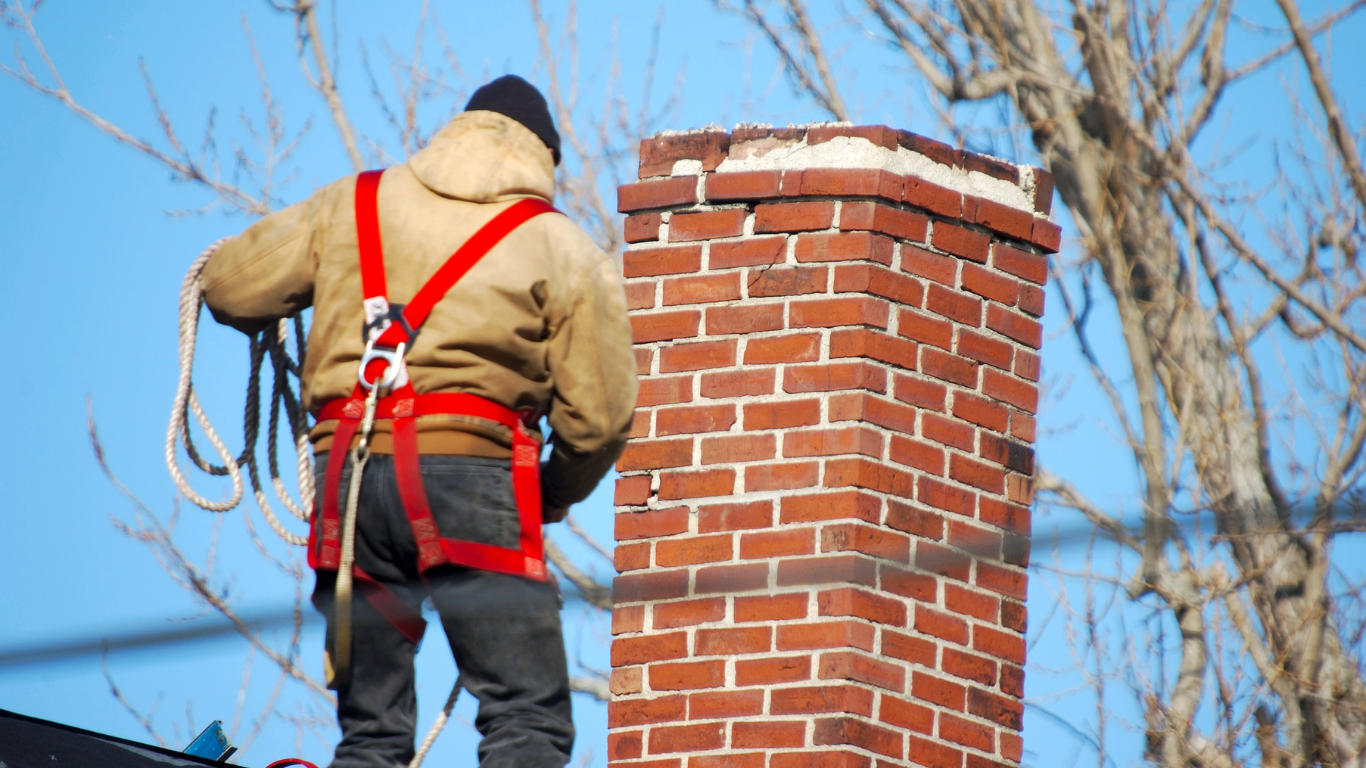
Chimneys in older Ottawa homes are frequently among the most deteriorated masonry elements. They are fully exposed to the elements and often built with older mortar that has weakened over time.
Common chimney issues include:
- Crumbling mortar joints
- Spalling bricks
- Cracked or failing chimney crowns
- Leaning or unstable structures
Chimney deterioration poses both structural and safety concerns. Professional repair restores stability and helps prevent moisture and heat-related damage.
Incompatible Past Repairs
One issue I see frequently is damage caused by past repairs that were not compatible with the original masonry. Older homes were often built with softer bricks and lime-based mortars. Modern materials can be too hard and cause damage.
Problems caused by incompatible repairs include:
- Brick cracking due to overly hard mortar
- Accelerated mortar failure
- Trapped moisture within walls
- Uneven aging of masonry
Correcting these issues requires removing improper materials and restoring the masonry with compatible products.
Structural Movement Over Time
As homes age, structural movement is inevitable. Floors settle, walls shift slightly, and loads change. Masonry responds to this movement through cracking and joint separation.
Signs of movement include:
- Repeated cracking in the same areas
- Misaligned brick courses
- Doors or windows affected by masonry shifts
- Gaps around structural transitions
Professional masonry assessment helps determine how movement is affecting the structure and how best to stabilize it.
Efflorescence and Mineral Staining
Efflorescence appears as a white, powdery residue on masonry surfaces. While it is not harmful on its own, it indicates moisture movement through the wall.
Efflorescence suggests:
- Moisture penetration
- Dissolving salts within masonry
- Improper drainage or sealing
- Deteriorating mortar
Treating efflorescence requires addressing the underlying moisture source, not just cleaning the surface.
Deteriorated Stone Masonry
Some older Ottawa homes feature stone foundations or walls. Stone masonry presents its own challenges, particularly as mortar joints deteriorate.
Common stone masonry issues include:
- Loose or shifting stones
- Failing mortar joints
- Uneven settlement
- Surface erosion
Stone requires careful restoration to maintain structural integrity while preserving its original character.
Why Small Masonry Issues Should Never Be Ignored
In older homes, small masonry issues often indicate larger underlying problems. Because these structures are interconnected, damage in one area can affect others.
Ignoring minor masonry issues can lead to:
- Accelerated structural damage
- Water infiltration
- Increased repair costs
- Loss of original materials
- Reduced property value
Early intervention preserves both the structure and the home’s historic character.
How Professional Masonry Repairs Protect Older Homes
Professional masonry repair focuses on restoring the masonry system as a whole, not just patching visible damage.
Proper repair includes:
- Matching original materials
- Using compatible mortar
- Restoring structural bonding
- Managing moisture correctly
- Preserving architectural character
This approach ensures repairs last and do not introduce new problems.
The Importance of Material Compatibility
Older homes require careful material selection. Using mortar or brick that is too hard can cause more damage than leaving the masonry untouched.
Material compatibility ensures:
- Proper movement absorption
- Reduced cracking
- Long-term durability
- Preservation of original masonry
Professional masonry work respects the materials the home was built with.
Maintaining the Character of Ottawa’s Older Homes
One of the most rewarding parts of working on older homes is preserving their character. Masonry repairs should enhance and protect that character, not erase it.
Thoughtful masonry work:
- Maintains original appearance
- Preserves craftsmanship
- Supports long-term stability
- Honors the home’s history
Preservation and protection go hand in hand.
When Older Homes Should Be Inspected for Masonry Issues
Homeowners should consider a masonry inspection if they notice:
- Cracking or crumbling mortar
- Brick or stone damage
- Moisture issues
- Leaning chimneys
- Foundation cracking
Regular inspections help catch issues before they become major problems.
Final Thoughts: Protecting Older Homes Through Proper Masonry Care
Older homes throughout Ottawa’s core were built with craftsmanship and durability in mind, but they require proper care to continue performing well. Masonry issues such as deteriorating mortar, brick damage, moisture intrusion, and structural movement are common, but they are also manageable when addressed early.
Understanding these common issues empowers homeowners to protect their homes, preserve their character, and avoid unnecessary repairs. With professional masonry care, older homes can continue to stand strong for generations to come.
Strong masonry is the foundation of a strong home, and proper care ensures Ottawa’s historic homes remain part of the city’s landscape for years ahead.