
Foundations are the backbone of every home, yet they are often the most overlooked part of the structure. In Orleans and Gloucester, I’ve worked on many homes where foundation issues could have been prevented with one simple element done properly: parging. While parging is sometimes viewed as a cosmetic finish, it plays a much more important role in protecting foundation walls from long term damage.
Over time, I’ve seen how neglected or poorly applied parging leads to moisture intrusion, surface deterioration, and costly foundation repairs. The truth is that proper parging is not optional if you want your foundation to remain strong, stable, and protected. In areas like Orleans and Gloucester, where soil conditions and seasonal moisture place constant pressure on foundation walls, parging becomes one of the most important lines of defense.
This blog explains why proper parging matters so much for foundations in Orleans and Gloucester homes, how deterioration starts, what warning signs to watch for, and how professional parging work protects your home over the long term.
What Parging Really Does for a Foundation
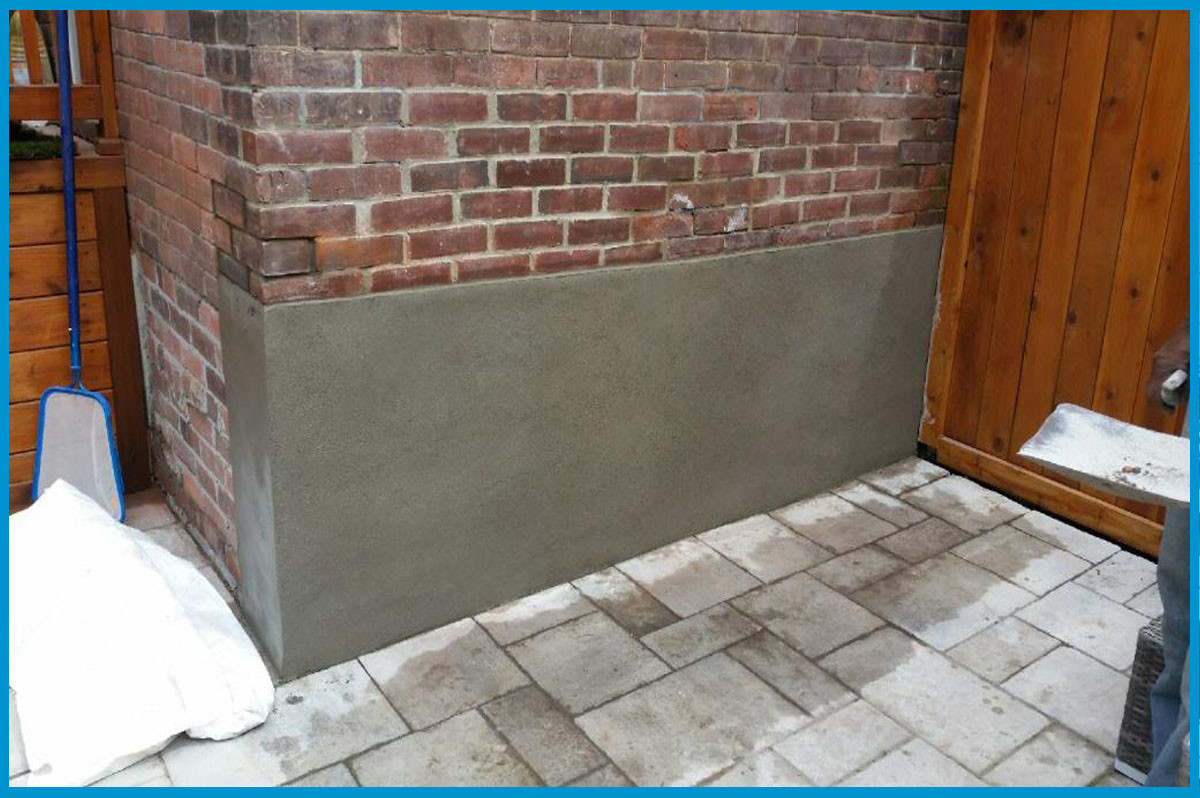
Parging is the application of a cement based coating over exposed foundation walls. While it improves appearance, its real purpose is protection. Properly applied parging creates a barrier that shields foundation materials from moisture, surface damage, and environmental stress.
When parging is done correctly, it helps:
- Protect foundation walls from moisture penetration
- Reduce surface cracking and erosion
- Shield concrete and block from weather exposure
- Create a smooth, sealed surface
- Extend the lifespan of foundation materials
In Orleans and Gloucester, where homes are exposed to changing weather conditions year round, parging acts as a protective skin for the foundation.
Why Foundations in Orleans and Gloucester Need Extra Protection
Every area has unique conditions that affect how foundations age. In Orleans and Gloucester, several factors increase the importance of proper parging.
These include:
- Soil that expands and contracts with moisture changes
- Frequent freeze and thaw cycles
- Water runoff from melting snow and rain
- Natural settlement over time
- Exposure of foundation walls above grade
These factors constantly stress foundation surfaces. Without parging, foundation walls are left vulnerable to direct exposure, which accelerates deterioration.
How Foundation Deterioration Begins Without Proper Parging
Foundation damage rarely happens overnight. It starts gradually, often beneath the surface. When parging is missing, cracked, or poorly bonded, moisture begins to penetrate the foundation wall.
Over time, this leads to:
- Surface cracking
- Flaking or crumbling concrete
- Increased moisture absorption
- Expansion during freezing temperatures
- Progressive structural weakening
Once this cycle begins, deterioration accelerates. Parging is designed to interrupt this process before damage spreads deeper into the foundation.
Common Signs of Parging Failure in Orleans and Gloucester Homes
Many homeowners don’t realize their parging has failed until damage becomes visible. Recognizing early signs allows repairs to be completed before foundation damage worsens.
Common indicators include:
- Cracked or chipped parging
- Sections pulling away from the foundation
- Powdery residue or crumbling material
- Uneven or missing areas of coverage
- Visible concrete beneath the parging
- Moisture stains near the base of the wall
These signs suggest the protective barrier is no longer doing its job.
Why Parging Is Especially Important Above Grade
Foundation walls that extend above ground level are exposed to the most damage. These areas experience direct contact with rain, snow, ice, and temperature changes.
Without parging, above grade foundation walls are vulnerable to:
- Water penetration
- Freeze related cracking
- Surface erosion
- Structural weakening over time
Proper parging protects these exposed areas and prevents damage from spreading downward.
The Role of Moisture in Foundation Damage
Moisture is the primary enemy of foundation walls. When water comes into contact with bare concrete or masonry, it slowly penetrates the surface. In colder temperatures, this moisture freezes and expands, creating cracks that grow larger with each cycle.
Parging helps by:
- Limiting moisture absorption
- Sealing small surface imperfections
- Creating a consistent protective layer
- Reducing freeze thaw stress
In Orleans and Gloucester, where moisture exposure is consistent throughout the year, parging significantly slows foundation deterioration.
How Improper Parging Causes More Harm Than Good
Not all parging is effective. I often see parging that was applied without proper preparation or with incorrect materials. Poor parging can actually accelerate damage by trapping moisture or failing prematurely.
Common mistakes include:
- Applying parging over dirty or damp surfaces
- Using incorrect mortar mixes
- Applying layers too thick or too thin
- Skipping proper curing time
- Covering cracks without repairing them
Professional parging ensures the coating bonds properly and performs as intended.
My Approach to Proper Foundation Parging
When I parge a foundation, the process begins long before the material touches the wall. Preparation is the most important step in ensuring long lasting results.
My process includes:
- Inspecting the foundation wall
I assess surface condition, cracks, and moisture patterns. - Removing damaged or loose material
Old or failing parging is carefully removed. - Cleaning and preparing the surface
A clean surface ensures proper bonding. - Repairing cracks and imperfections
Structural issues are addressed before parging is applied. - Applying the parging evenly
The correct thickness ensures durability without cracking. - Allowing proper curing time
Controlled curing prevents premature failure.
This method ensures the parging acts as a true protective barrier.
Why Parging Helps Prevent Larger Foundation Repairs
One of the biggest benefits of proper parging is prevention. Repairing parging early prevents damage that would require far more invasive foundation work later.
Proper parging helps avoid:
- Structural cracking
- Water infiltration into basements
- Concrete breakdown
- Costly foundation restoration
- Long term moisture issues
For homeowners in Orleans and Gloucester, parging is a cost effective way to protect a major structural investment.
Parging and Foundation Appearance
While protection is the primary function, parging also improves appearance. A clean, smooth foundation finish enhances curb appeal and gives the home a well maintained look.
Well maintained parging:
- Creates a uniform exterior finish
- Hides surface imperfections
- Improves overall property presentation
- Reflects proper home care
In many cases, parging restoration dramatically improves the look of older homes.
How Parging Affects Home Value in Orleans and Gloucester
Foundation condition plays a significant role in property value. Visible foundation damage raises concerns for buyers and inspectors. Proper parging signals that the foundation has been cared for and protected.
Benefits include:
- Increased buyer confidence
- Reduced inspection issues
- Improved curb appeal
- Lower perceived risk
Maintaining parging helps protect not only the structure but also long term property value.
When Foundation Parging Should Be Addressed
Homeowners should consider parging repairs or replacement if they notice:
- Cracking or missing parging
- Exposed foundation surfaces
- Moisture staining
- Deteriorating concrete beneath the surface
- Sections pulling away from the wall
Early action prevents larger repairs and preserves the foundation’s integrity.
Why Professional Parging Makes a Difference
Foundation parging is not a cosmetic patch. It requires proper material selection, surface preparation, and application technique. Professional work ensures the parging performs as intended and lasts for years.
Professional parging provides:
- Stronger bonding
- Proper moisture resistance
- Correct thickness and finish
- Long term durability
For Orleans and Gloucester homes, professional parging is an essential part of foundation care.
Preventing Future Foundation Issues Through Proper Parging
While no foundation is immune to aging, proper parging significantly slows deterioration. Combined with good drainage and regular inspections, parging helps foundations perform at their best.
Preventative benefits include:
- Reduced moisture absorption
- Slower crack development
- Improved surface durability
- Extended foundation lifespan
It is far easier to maintain parging than to repair a damaged foundation.
Final Thoughts: Why Parging Is a Foundation Essential
Proper parging is one of the most effective ways to protect foundation walls in Orleans and Gloucester homes. It shields against moisture, reduces surface damage, and helps maintain structural integrity over time. While parging may seem like a simple layer, it plays a critical role in preserving the foundation beneath it.
Homes with well maintained parging experience fewer foundation issues, lower repair costs, and greater long term stability. Addressing parging early is one of the smartest decisions a homeowner can make to protect their investment.
Strong foundations start with proper protection, and parging is one of the most important tools available to keep them strong.