
Small masonry issues are common in homes throughout Ottawa, Greely, and Metcalfe. Minor cracks in brick walls, loose mortar joints, damaged parging, or shifting stonework may seem insignificant at first. However, these small problems can quickly grow into larger structural concerns if they are not repaired properly.
Masonry is designed to withstand decades of exposure to weather, moisture, and temperature changes. Over time, however, environmental conditions gradually affect the materials. Freeze thaw cycles, water infiltration, and normal structural movement slowly weaken mortar joints and bricks. When early signs of damage appear, small repairs help restore the strength of the structure before more extensive restoration becomes necessary.
Handling small masonry repairs requires attention to detail, proper material selection, and techniques designed to preserve the durability of the surrounding masonry. By approaching these repairs carefully, homeowners can protect their property while extending the lifespan of their brick, stone, and foundation surfaces.
This guide explains how small masonry repairs are handled across Ottawa, Greely, and Metcalfe homes and why addressing minor issues early helps maintain long term structural integrity.
Why Small Masonry Repairs Should Not Be Ignored
Many homeowners overlook minor masonry problems because they appear cosmetic. A small crack in a brick, a missing mortar joint, or a chipped section of parging may not seem urgent. However, masonry systems depend on every component working together to maintain strength and weather resistance.
When small problems develop, they often allow moisture to enter the structure. Water infiltration can weaken bricks, erode mortar joints, and accelerate deterioration. Over time, the damage spreads beyond the original repair area.
Repairing small masonry issues early helps prevent:
• Larger cracks developing in brick walls
• Water penetration into the structure
• Freeze thaw damage during winter months
• Structural instability in brick or stone surfaces
• Costly repairs later on
In Ottawa, Greely, and Metcalfe, where seasonal weather changes place constant stress on masonry, early repairs are one of the best ways to protect a home.
Common Small Masonry Problems in Residential Homes
Small masonry repairs often involve localized areas where the structure has begun to weaken but has not yet developed widespread damage.
Minor Brick Cracks
Hairline cracks in bricks may occur due to temperature fluctuations, slight structural movement, or moisture expansion. While these cracks may appear small, they allow water to enter the brick and worsen over time.
Loose or Missing Mortar Joints
Mortar joints naturally deteriorate as they age. Small sections of missing mortar weaken the bond between bricks and expose the wall to moisture infiltration.
Small Areas of Brick Spalling
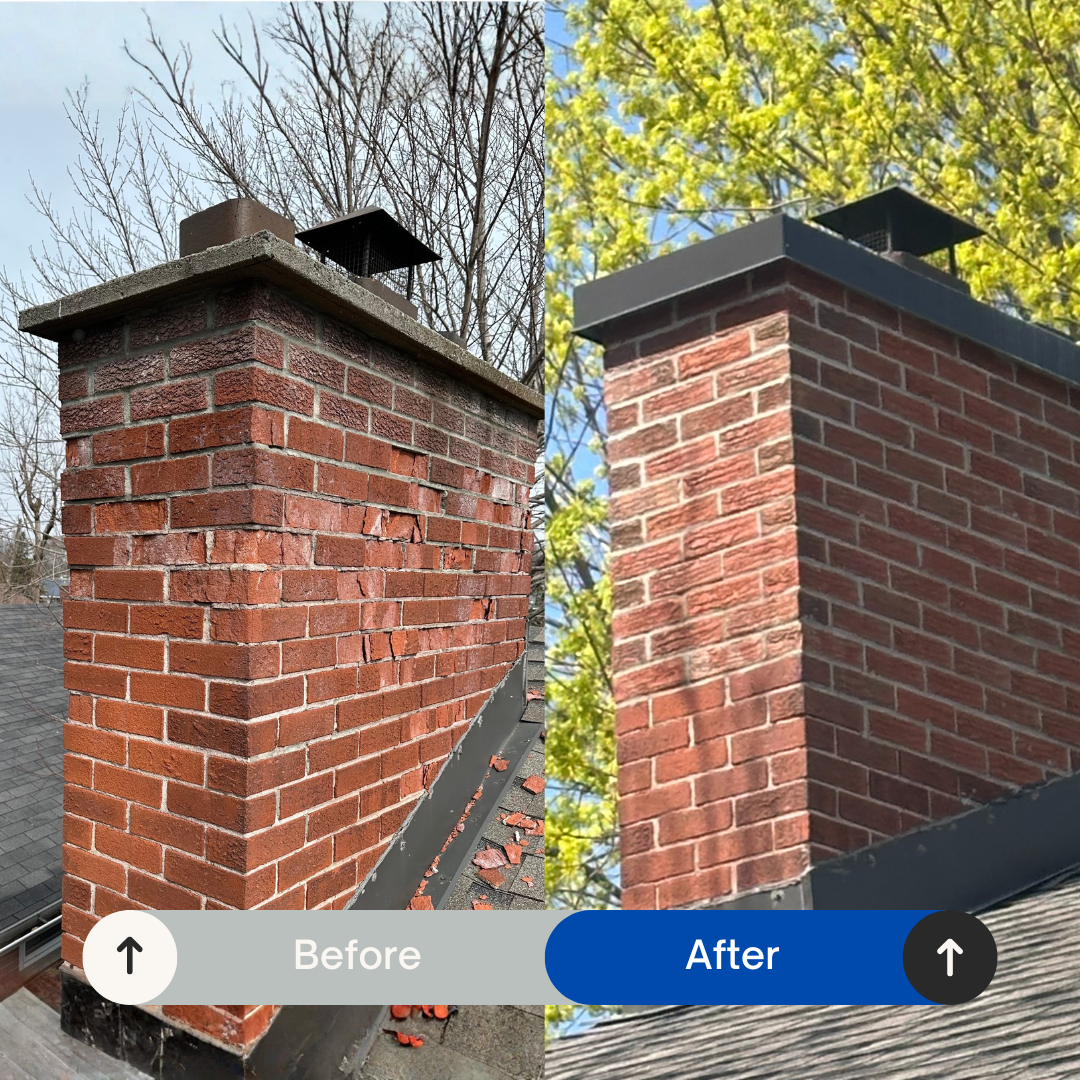
Spalling occurs when the outer surface of a brick begins to flake or crumble. This usually happens when moisture trapped inside the brick freezes and expands.
Parging Surface Damage
Foundation parging often develops cracks or peeling areas due to freeze thaw cycles and moisture exposure.
Minor Stone Movement
Stone steps, walls, or facades may develop loose joints or small shifts caused by weather exposure and natural settling.
These types of repairs typically involve targeted restoration rather than large structural reconstruction.
Why Masonry Repairs Must Be Done Carefully
Even small masonry repairs require careful workmanship. Incorrect repair methods can actually cause additional damage.
For example, using mortar that is too strong for older bricks can create stress during seasonal expansion and contraction. If new mortar does not match the original material, the surrounding bricks may crack under pressure.
Improper surface preparation can also cause repairs to fail prematurely. New mortar applied over weak or dusty surfaces may separate from the wall after only a short time.
Careful masonry techniques ensure that repairs integrate properly with the existing structure and maintain long term durability.
My Process for Handling Small Masonry Repairs
Every masonry repair begins with understanding the condition of the structure and determining the most effective way to restore it. Even small repairs follow a structured process to ensure the results last.
Step One: Inspecting the Masonry Area
The first step is carefully inspecting the damaged area and the surrounding masonry.
During this inspection, I evaluate:
• The size and location of cracks or damage
• The condition of nearby mortar joints
• Signs of moisture infiltration
• Structural alignment of the brick or stonework
• Potential environmental causes such as water runoff
Sometimes what appears to be a small problem may actually be connected to a larger issue. A thorough inspection ensures the repair addresses the true cause of the damage.
Step Two: Identifying the Cause of the Problem
Understanding why the damage occurred helps prevent it from happening again.
Common causes of small masonry problems include:
• Freeze thaw pressure from trapped moisture
• Water runoff from gutters or rooflines
• Aging mortar joints
• Minor foundation movement
• Past repairs using incompatible materials
Addressing these underlying conditions ensures that the repair remains stable and durable.
Step Three: Removing Deteriorated Material
Before any repair begins, damaged materials must be removed carefully.
Loose mortar is ground out of the joints, and cracked or weakened bricks may be removed if necessary. For parging repairs, loose coating is chipped away until the solid foundation surface is exposed.
This preparation step ensures that new materials bond properly with the existing masonry.
Skipping this step often leads to repairs that fail prematurely.
Step Four: Matching Materials Properly
One of the most important aspects of small masonry repair is selecting materials that match the existing structure.
This includes matching:
• Brick size and color
• Mortar composition and strength
• Joint style and depth
• Stone appearance and texture where applicable
Matching materials helps the repair blend visually with the surrounding masonry while maintaining structural compatibility.
Proper mortar selection is especially important for homes in Ottawa, Greely, and Metcalfe, where seasonal temperature changes require masonry materials to expand and contract naturally.
Step Five: Performing the Repair
Once the damaged area has been prepared and the materials selected, the repair process begins.
Depending on the type of repair, this may involve:
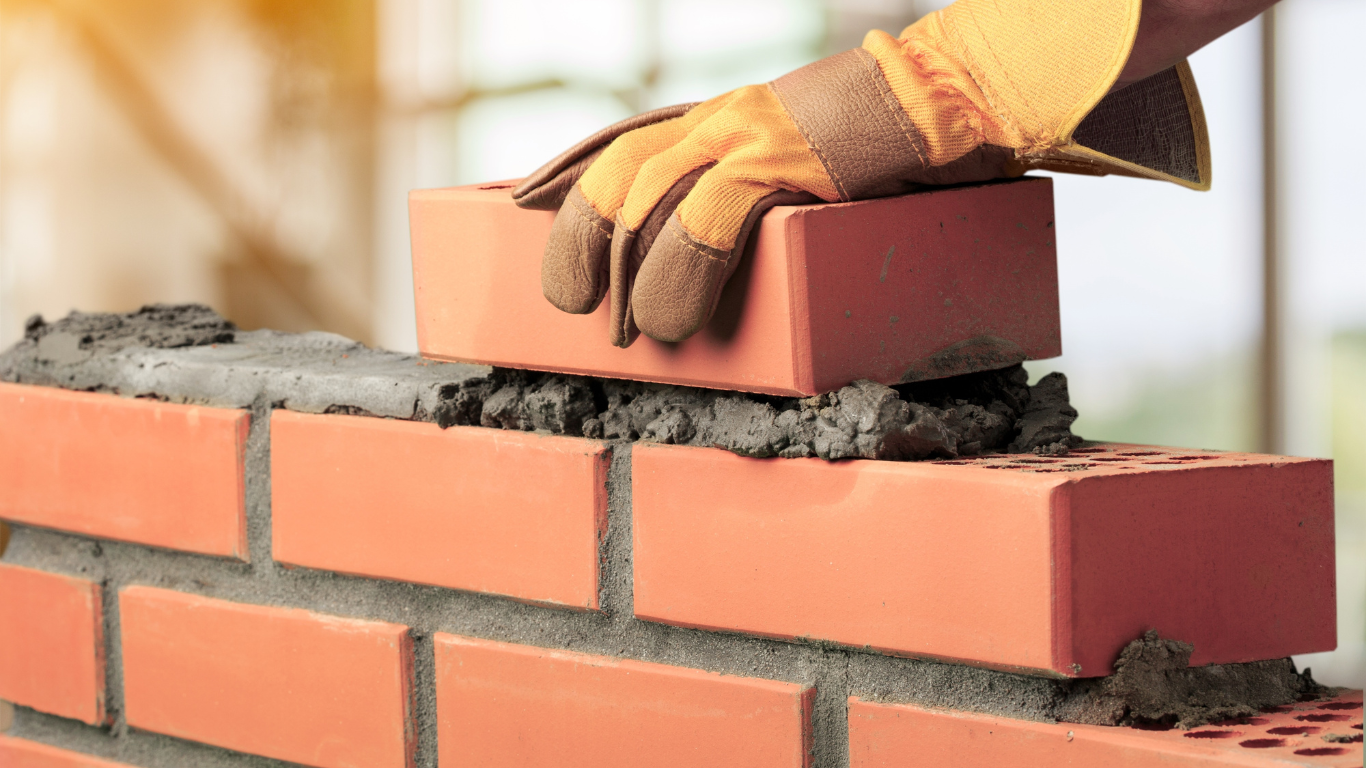
• Replacing individual damaged bricks
• Repointing small sections of mortar joints
• Repairing localized areas of parging
• Resetting loose stone units
• Stabilizing brick steps or entryways
Each repair is completed with careful attention to alignment, bonding, and joint finishing.
Even small repairs must maintain the strength and stability of the surrounding masonry.
Step Six: Finishing the Repair Properly
Finishing is an important part of masonry repair. Mortar joints must be shaped correctly to ensure water flows away from the repair area rather than collecting inside the joints.
Proper finishing also improves the visual appearance of the repair and ensures it blends naturally with the surrounding brick or stonework.
A clean and consistent finish helps the masonry resist future weather exposure.
Why Ottawa, Greely, and Metcalfe Homes Require Regular Masonry Maintenance
Homes in Ottawa and surrounding communities experience significant seasonal temperature changes throughout the year.
Winter brings snow accumulation and freeze thaw cycles, while spring introduces moisture from melting snow and rain. Summer heat expands masonry materials, and autumn temperature drops begin the cycle again.
These environmental conditions place constant pressure on brick, mortar, and stone surfaces. Over time, small areas of wear appear throughout the structure.
Regular maintenance and timely repairs help ensure that these minor issues do not evolve into larger structural problems.
Preventing Small Masonry Issues From Becoming Large Repairs
While masonry naturally ages over time, homeowners can take steps to minimize damage.
Keeping gutters and downspouts clear ensures water is directed away from brick and foundation surfaces.
Maintaining proper grading around the home prevents water from pooling near the foundation.
Regularly inspecting masonry surfaces allows early detection of cracks or deteriorating mortar joints.
Addressing small problems quickly helps prevent more extensive restoration later.
The Long Term Benefits of Small Masonry Repairs
Handling minor masonry issues early provides several advantages.
Protecting Structural Integrity
Small repairs strengthen the masonry before damage spreads to surrounding areas.
Preventing Moisture Infiltration
Sealed mortar joints and repaired bricks reduce the risk of water entering the wall system.
Preserving Property Appearance
Well maintained masonry improves the exterior appearance of the home.
Reducing Future Repair Costs
Addressing problems early prevents larger and more expensive restoration projects.
Final Thoughts
Small masonry repairs play an important role in maintaining homes across Ottawa, Greely, and Metcalfe. Minor cracks, loose mortar joints, or small areas of parging damage may appear insignificant, but they can lead to larger problems if left untreated.
Handling these repairs carefully involves inspecting the structure, identifying the cause of the damage, preparing the masonry properly, and using materials that match the original construction.
By addressing small masonry issues early and maintaining the structure regularly, homeowners can protect the durability, safety, and appearance of their brick and stone surfaces for many years to come.