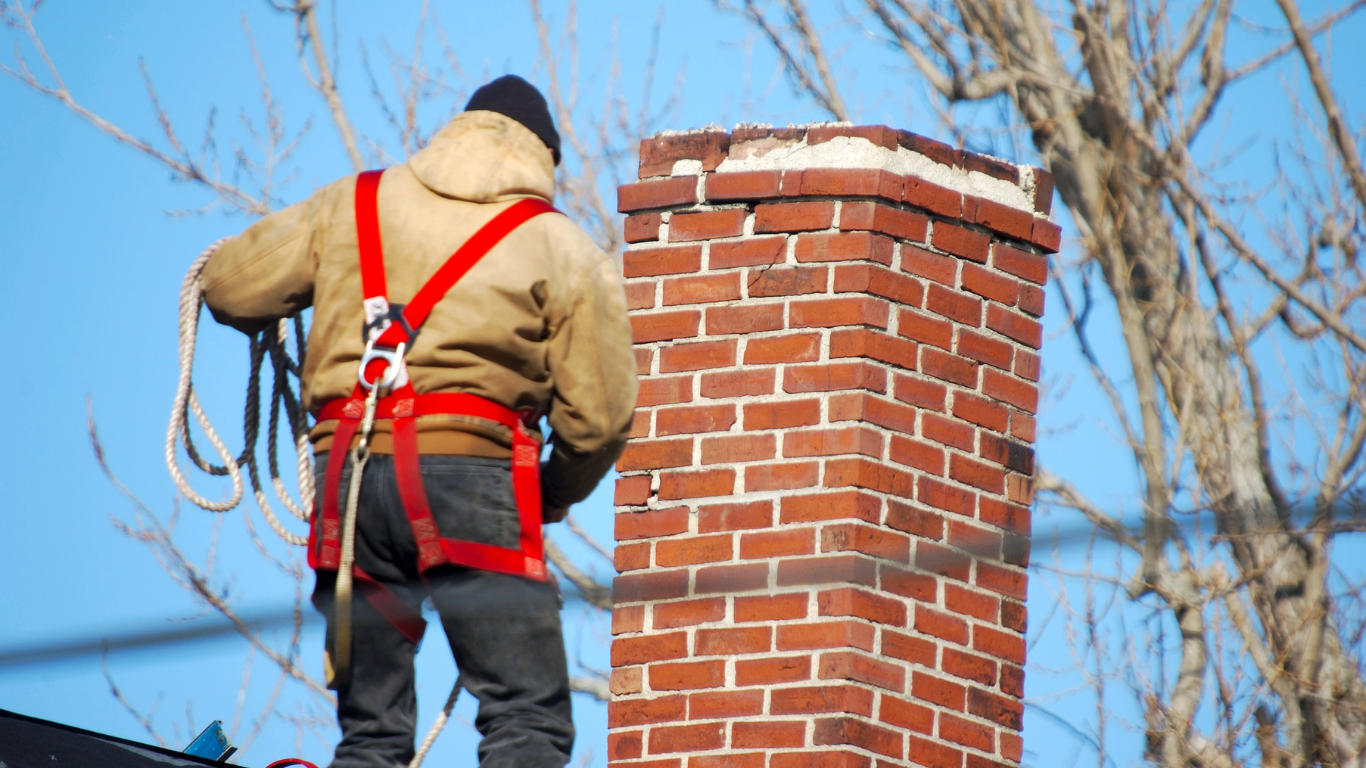

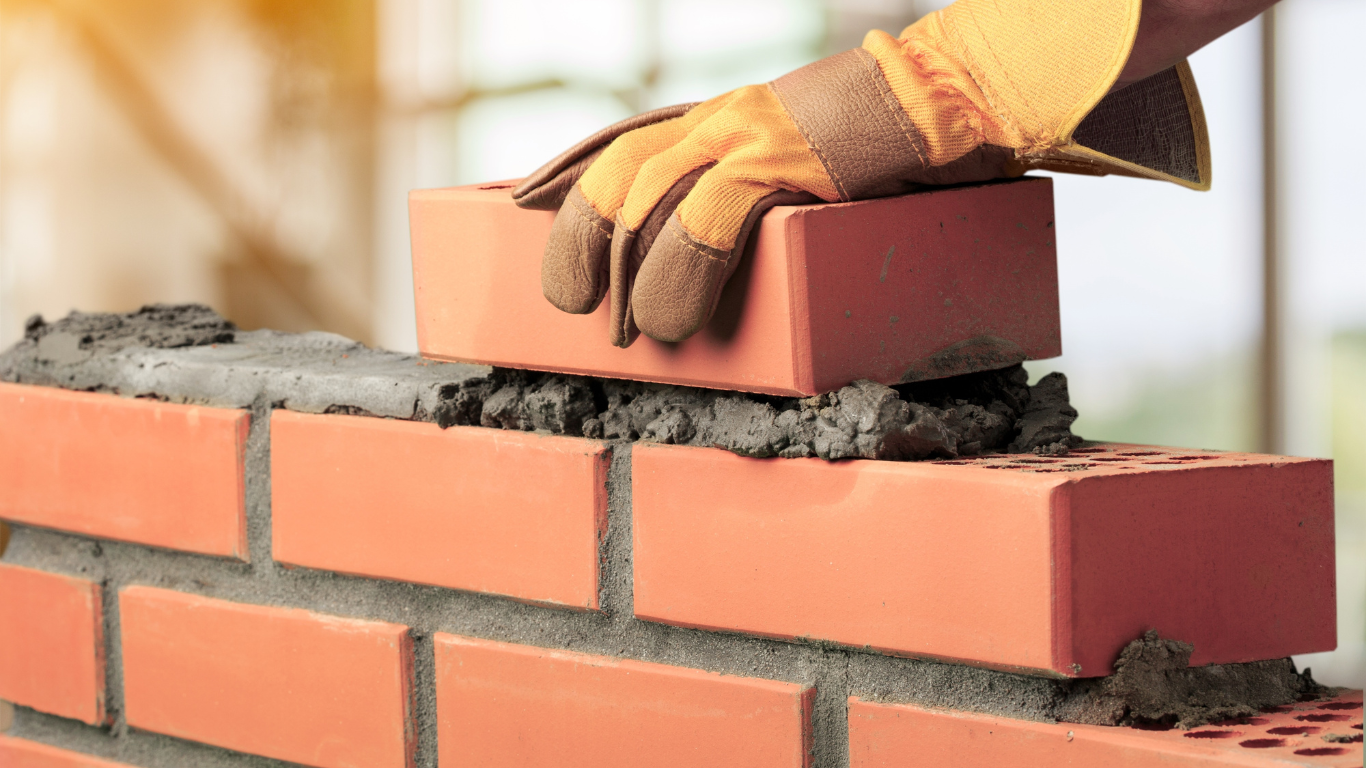
Brick buildings across Nepean and Downtown Ottawa carry decades of history. Many homes and structures in these areas were built with solid masonry that was designed to last for generations. However, time, weather exposure, moisture, and natural structural movement eventually begin to affect even the strongest brickwork. As brick structures age, they require careful repair and reinforcement to maintain their strength and stability.
Aging masonry does not mean the structure is failing. In many cases, brick walls remain strong but require restoration of the components that hold the system together. Mortar joints wear down, bricks may crack or weaken, and moisture can slowly infiltrate the structure. Addressing these issues properly helps preserve the integrity of the building while extending its lifespan.
Strengthening aging brick structures requires a careful and methodical approach. Every project must begin with a detailed understanding of how the masonry has aged and what repairs will restore its durability. In Nepean and Downtown Ottawa, where buildings experience harsh winters, heavy precipitation, and long seasonal cycles, proper masonry techniques are essential.
This guide explains how aging brick structures are strengthened and why careful restoration helps preserve homes and buildings for decades to come.
Why Brick Structures Begin to Age
Brick masonry is known for its longevity, but it is still affected by environmental conditions and natural wear over time. Aging masonry usually develops gradually, often beginning with small signs that become more noticeable over the years.
Several factors contribute to aging brick structures.
Weather Exposure
Brick walls in Ottawa are constantly exposed to snow, rain, wind, and sun. These conditions slowly wear down both bricks and mortar joints.
Freeze and Thaw Cycles
When moisture enters masonry and freezes, it expands inside the brick and mortar. This repeated expansion and contraction weakens the materials and causes cracking or surface deterioration.
Mortar Deterioration
Mortar is designed to bond bricks together while allowing slight structural movement. Over time, mortar joints erode and lose their strength, leaving bricks less supported.
Moisture Infiltration
Water can penetrate aging masonry through cracks, open joints, or damaged chimney crowns. Once moisture enters the wall, it accelerates deterioration.
Structural Movement
Buildings naturally settle as soil shifts and foundations adjust. Small movements can cause cracks in brick walls and mortar joints.
These factors combine over time to weaken masonry structures if they are not maintained properly.
Signs That Brick Structures Need Strengthening
Homes and buildings in Nepean and Downtown Ottawa often display visible signs when masonry begins to age. Recognizing these signs early allows repairs to be completed before structural problems worsen.
Cracked or Split Bricks
Cracks in bricks often develop due to structural movement or freeze thaw pressure.
Spalling Brick Surfaces
Spalling occurs when the outer surface of a brick begins to flake or crumble due to trapped moisture.
Receding or Crumbling Mortar
Mortar joints that appear recessed or powdery indicate deterioration and loss of bonding strength.
Bulging or Bowing Walls
Walls that begin to bulge outward may be experiencing structural stress or weakened mortar joints.
Water Stains or Efflorescence
White powdery deposits on brick surfaces indicate moisture moving through the masonry.
These warning signs suggest that the structure may benefit from professional masonry restoration.
The Importance of Strengthening Brick Structures Properly
Repairing aging masonry requires more than patching visible cracks. Brick structures work as interconnected systems where each component supports the others.
If repairs are done incorrectly, the masonry may continue to weaken or develop new problems. For example, using incompatible mortar can place too much pressure on bricks, causing them to crack during seasonal expansion.
Strengthening brick structures properly restores the balance between bricks, mortar, and the surrounding environment. The goal is to ensure the structure remains stable, weather resistant, and visually consistent.
My Approach to Strengthening Aging Brick Structures
Strengthening aging masonry involves several important steps. Each step is designed to restore durability while preserving the original appearance of the brickwork.
Step One: Detailed Masonry Inspection
Every project begins with a thorough inspection of the brick structure.
During this stage, I examine the entire masonry surface to identify areas of deterioration. This includes checking for cracked bricks, deteriorated mortar joints, moisture infiltration, and structural movement.
The inspection also evaluates surrounding elements such as chimneys, flashing, drainage patterns, and foundation conditions. These components often influence how masonry ages.
Understanding the condition of the structure allows the repair process to focus on the areas that need reinforcement.
Step Two: Identifying the Root Cause of Damage
Visible damage often results from underlying conditions. Identifying the cause of the problem helps ensure that repairs address the issue correctly.
Common causes include water infiltration, poor drainage, aging mortar, freeze thaw stress, or previous repairs that used incompatible materials.
By addressing these factors, repairs can strengthen the structure rather than simply covering the symptoms.
Step Three: Removing Deteriorated Materials
Once the repair areas are identified, damaged materials must be removed.
Deteriorated mortar is carefully ground out from the joints, and cracked or spalling bricks are removed from the structure. This step creates a clean and stable surface for new materials to bond properly.
Removing weak materials ensures that the repaired masonry regains its structural strength.
Step Four: Replacing Damaged Bricks
When bricks are severely damaged, they must be replaced with new bricks that match the original structure as closely as possible.
Matching the size, color, and texture of replacement bricks helps maintain the visual integrity of the building.
Each brick is installed carefully using a mortar mixture designed to work with the existing masonry.
Step Five: Repointing Mortar Joints
Repointing is one of the most important steps in strengthening aging brick structures.
During this process, fresh mortar is applied to the cleaned joints between bricks. This restores the bond that holds the masonry together and prevents moisture from entering the wall.
Proper repointing also improves the appearance of the brickwork and helps maintain structural alignment.
Step Six: Reinforcing the Structure
In some cases, additional reinforcement may be required to stabilize aging masonry.
This may involve repairing chimney structures, stabilizing leaning brick sections, or addressing areas where moisture has caused significant deterioration.
Reinforcement ensures that the repaired structure can withstand future environmental stress.
Why Aging Brick Structures Require Careful Techniques
Brick masonry from older homes often differs from modern construction. Historic or older brick materials may be softer or more porous than newer bricks.
Using incorrect repair methods can damage these materials and accelerate deterioration.
Careful masonry techniques ensure that repairs remain compatible with the original structure. This approach protects the character of the building while strengthening its performance.
Environmental Considerations in Nepean and Downtown Ottawa
Masonry repairs in Nepean and Downtown Ottawa must account for the local climate.
Ottawa experiences significant seasonal temperature swings, including freezing winters and warm summers. These conditions cause masonry materials to expand and contract repeatedly.
Repair techniques must allow the brick structure to move naturally while maintaining stability. This balance ensures that repairs remain durable through seasonal changes.
Maintaining Brick Structures After Restoration
Once masonry repairs are completed, regular maintenance helps preserve the structure.
Homeowners can help maintain their brick walls by inspecting the masonry annually and addressing minor issues early.
Ensuring proper drainage around the property also helps reduce moisture exposure. Gutters and downspouts should direct water away from the foundation and brick surfaces.
Routine chimney cleaning and inspection can also prevent moisture related damage to masonry structures.
With proper care, restored brick structures can remain strong for many decades.
The Long Term Benefits of Masonry Restoration
Strengthening aging brick structures provides several important benefits for homes in Nepean and Downtown Ottawa.
Structural Stability
Restoring mortar joints and replacing damaged bricks helps reinforce the overall strength of the structure.
Protection from Weather
Proper repairs prevent moisture from entering the masonry and reduce the risk of freeze thaw damage.
Preserving Architectural Character
Masonry restoration maintains the original appearance of brick homes and buildings.
Extending the Life of the Structure
When aging masonry is restored correctly, the structure can remain durable and reliable for many years.
Final Thoughts
Brick structures throughout Nepean and Downtown Ottawa have stood for decades because masonry is one of the most durable building systems available. However, aging brickwork eventually requires careful restoration to maintain its strength and weather resistance.
Strengthening these structures involves more than simple patch repairs. It requires detailed inspection, proper material selection, careful removal of deteriorated components, and skilled masonry techniques.
By restoring aging brick structures correctly, homeowners can preserve the safety, appearance, and durability of their properties while ensuring the masonry continues to perform well in Ottawa’s demanding climate.
When masonry repairs are completed with attention to detail and long term durability, brick buildings can remain strong and beautiful for generations.