
A home’s foundation is one of its most important structural components. It supports the entire building and protects it from shifting, moisture, and environmental stress. In Ottawa, where homes are exposed to freezing winters, spring thaw, heavy rain, and temperature fluctuations, protecting the foundation becomes even more critical.
One of the most effective ways to protect a foundation is through proper parging. While many homeowners see parging as just a smooth finish on the outside of the foundation, it actually plays a key role in shielding the structure from damage.
In this blog, I’ll explain how I use proper parging techniques to protect foundations in Ottawa homes, why it matters, and how it helps prevent long-term issues.
What Parging Does for Your Foundation
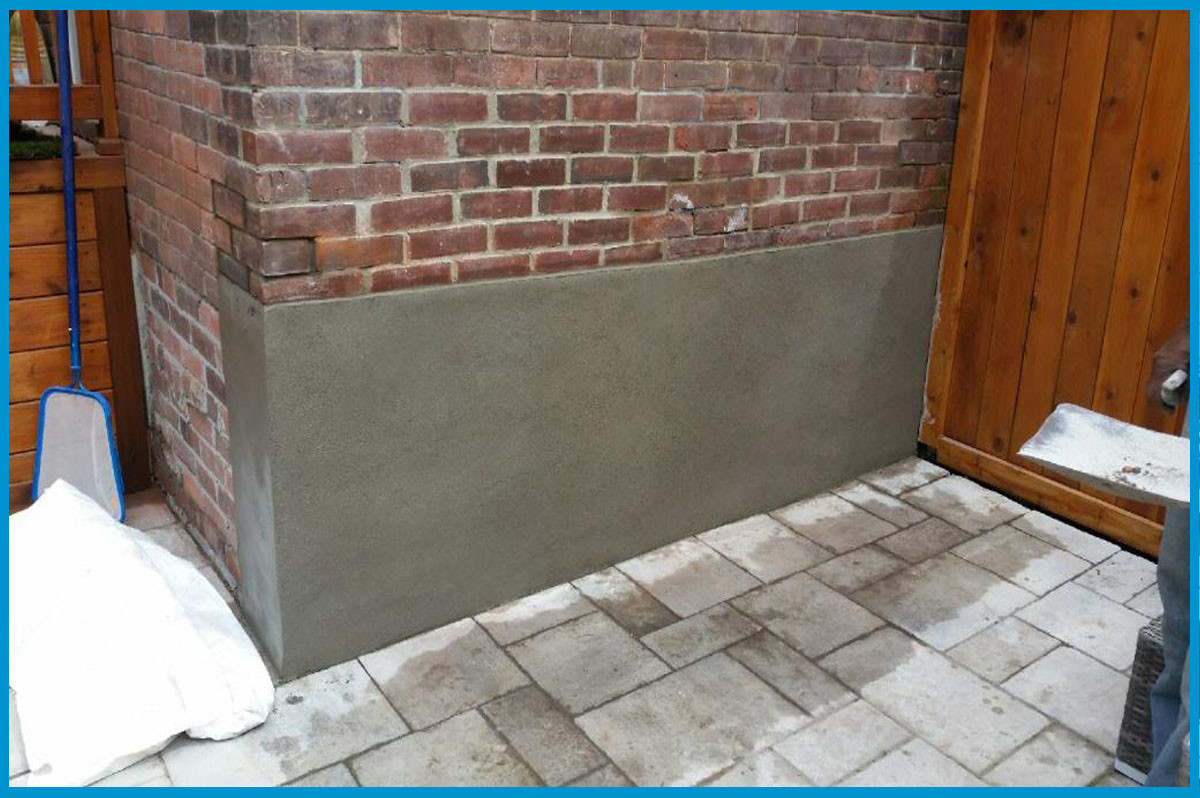
Parging is a thin layer of mortar applied to the exterior surface of a foundation wall. It serves both protective and visual purposes.
From a protection standpoint, parging helps:
- Shield the foundation from direct moisture exposure
- Reduce surface wear caused by weather
- Cover small imperfections in the concrete
- Provide a barrier against freeze-thaw damage
While it is not the structural core of the foundation, it acts as the first line of defense against Ottawa’s harsh environmental conditions.
Why Foundations in Ottawa Need Extra Protection
Ottawa’s climate creates constant stress on foundation walls.
Homes here deal with:
- Freezing winters with repeated freeze-thaw cycles
- Snow accumulation and melting water
- Spring moisture and ground saturation
- Summer heat causing expansion
- Soil movement throughout the year
All of these factors can impact the surface of the foundation.
Without proper protection, concrete can:
- Crack from temperature changes
- Absorb moisture and weaken over time
- Develop surface erosion
- Become more vulnerable to long-term structural damage
Parging helps reduce these risks by adding a protective layer that absorbs and distributes environmental stress.
Signs That Foundation Parging Is Failing
Over time, parging begins to wear down. Recognizing the early signs helps prevent deeper issues.
Common signs include:
- Cracks forming along the surface
- Peeling or flaking areas
- Sections separating from the wall
- Exposed concrete underneath
- Discoloration or moisture staining
When these signs appear, it means the foundation is no longer fully protected.
My Approach to Protecting Foundations With Proper Parging
Proper parging is not just about applying a new layer over the old one. It requires preparation, material selection, and technique to ensure long-term durability.
Step One: Full Foundation Inspection
Every project begins with a detailed inspection.
I assess:
- The condition of the existing parging
- Areas where moisture is present
- Cracks or structural concerns in the foundation
- Sections where parging has separated
- Drainage conditions around the home
This step helps determine whether the issue is surface-level or if deeper repairs are needed.
Step Two: Removing Damaged Parging
Before applying new material, all loose or deteriorated parging must be removed.
This includes:
- Chipping away cracked or flaking sections
- Clearing out weak areas
- Exposing a solid base for bonding
Applying new parging over damaged material will not last. Proper removal ensures the new layer adheres correctly.
Step Three: Preparing the Surface
Surface preparation is one of the most important parts of the process.
The foundation must be:
- Clean and free of dust
- Slightly damp to improve bonding
- Structurally sound before application
In some cases, bonding agents are used to strengthen the connection between the new parging and the existing wall.
Good preparation is what allows the new layer to hold over time.
Step Four: Applying the Right Parging Mix
Not all mortar is the same. The mix used for parging must be suitable for Ottawa’s climate.
I use materials that:
- Bond well to concrete surfaces
- Handle freeze-thaw cycles
- Allow slight flexibility for movement
- Resist moisture penetration
The application is done evenly to ensure consistent thickness and coverage across the entire surface.
Step Five: Finishing for Durability
Once applied, the parging is finished carefully.
This includes:
- Smoothing the surface
- Creating a consistent appearance
- Ensuring proper coverage across all areas
The finish is not just for appearance. It also affects how the surface handles water and weather exposure.
A properly finished surface helps water run off instead of sitting against the foundation.
Step Six: Allowing Proper Curing
Curing is a critical part of the process.
If parging dries too quickly, it can crack or weaken.
I ensure that the material cures gradually so it:
- Bonds properly to the foundation
- Develops full strength
- Maintains durability over time
This step is essential for long-term performance.
How Proper Parging Prevents Water Damage
One of the main benefits of parging is moisture control.
When applied correctly, parging:
- Reduces direct water contact with concrete
- Limits moisture absorption
- Prevents surface erosion
- Protects against freeze-thaw expansion
In Ottawa, where water exposure is constant throughout the year, this level of protection is critical.
The Role of Drainage in Foundation Protection
Parging works best when combined with proper drainage.
Water management around the home plays a major role in foundation durability.
I always consider:
- Downspout placement
- Ground grading
- Areas where water collects
- Runoff patterns around the foundation
Even the best parging will wear down faster if water continuously sits against the wall.
Good drainage supports the longevity of the repair.
Common Mistakes That Lead to Parging Failure
Many foundation issues are caused by improper repairs.
Common mistakes include:
- Applying new parging over damaged surfaces
- Using incorrect mortar mixes
- Skipping proper surface preparation
- Ignoring moisture issues
- Rushing the curing process
These mistakes often lead to early cracking and separation.
Proper technique avoids these problems and ensures the work lasts.
Why Parging Is a Smart Long-Term Investment
Parging is one of the most cost-effective ways to protect a foundation.
It provides:
- A protective barrier against moisture
- Improved exterior appearance
- Reduced risk of surface deterioration
- Extended life of the foundation
When maintained properly, it helps prevent more expensive structural repairs in the future.
Maintaining Foundation Parging
After the work is completed, simple maintenance can help extend its lifespan.
Homeowners should:
- Inspect the foundation annually
- Watch for cracks or peeling
- Ensure proper drainage is maintained
- Address small issues early
Regular maintenance keeps the foundation protected and reduces long-term repair needs.
Why Ottawa Homes Benefit From Proper Parging
Ottawa’s climate makes foundation protection essential.
With constant exposure to moisture, freezing temperatures, and seasonal changes, foundations need a reliable barrier to handle environmental stress.
Proper parging provides that protection when done correctly.
It helps the foundation stay strong, reduces damage from weather, and keeps the structure performing as it should.
Final Thoughts
Protecting a foundation is about more than appearance. It is about ensuring the structure remains strong and stable over time.
My approach to parging focuses on proper preparation, the right materials, and techniques that are built for Ottawa conditions. Every step is designed to create a durable, long-lasting protective layer.
When parging is done the right way, it helps prevent water damage, reduces wear, and extends the life of the foundation.
For homeowners in Ottawa, it is one of the most practical and effective ways to protect one of the most important parts of their home.