
Brick walls are known for their strength, durability, and timeless appearance. Across Ottawa and Nepean, many residential properties rely on brick masonry to protect their homes from weather exposure while maintaining an attractive exterior. However, even the strongest masonry can begin to show signs of wear over time. Harsh winters, moisture, foundation movement, and aging mortar can all contribute to brick wall damage.
Repairing damaged brick walls properly requires careful inspection, skilled workmanship, and the right materials designed for Ottawa’s climate. When masonry issues are addressed early and restored correctly, brick walls can remain strong and visually appealing for decades. Understanding how brick damage develops and how it should be repaired helps homeowners protect the long term integrity of their property.
This guide explains how damaged brick walls are repaired across Ottawa and Nepean homes and why professional masonry restoration plays a critical role in maintaining structural stability and exterior durability.
Why Brick Walls Become Damaged Over Time
Brick is a durable building material, but it is not immune to the effects of weather, moisture, and structural movement. Homes in Ottawa and Nepean experience significant seasonal changes, including freezing temperatures, snow accumulation, spring thaw cycles, and summer heat. These conditions place constant stress on masonry structures.
Several common factors contribute to brick wall deterioration.
Freeze and Thaw Cycles
Ottawa winters are known for frequent freeze thaw cycles. Moisture can enter small pores in brick or mortar joints. When temperatures drop, that moisture freezes and expands. As the process repeats throughout the winter season, pressure builds inside the masonry, leading to cracks, loose mortar, or surface damage known as spalling.
Aging Mortar Joints
Mortar is the bonding material that holds bricks together. Over time, mortar naturally weakens due to weather exposure and moisture infiltration. As mortar begins to deteriorate, the structural integrity of the wall can decline. Loose or missing mortar allows water to enter deeper into the brickwork.
Foundation Movement
Even small shifts in a home’s foundation can cause cracks to appear in brick walls. Soil expansion, settling, or drainage problems may lead to structural movement that transfers stress into the masonry.
Moisture Exposure
Poor drainage, clogged gutters, or damaged flashing can direct water toward brick walls. When moisture continually penetrates masonry, it accelerates deterioration and weakens both bricks and mortar.
Poor Past Repairs
In some cases, older repairs may have been completed using incompatible materials. Incorrect mortar mixtures or improper patching techniques can cause further damage to the surrounding brickwork.
Signs That Brick Walls Need Repair
Many masonry problems begin subtly and gradually become more severe. Identifying the early warning signs allows repairs to be completed before structural damage spreads.
Homeowners in Ottawa and Nepean should watch for the following indicators.
Cracked Bricks
Visible cracks in brick surfaces often signal underlying structural stress or freeze thaw damage. Cracks can expand over time if not repaired.
Loose or Missing Mortar
Mortar joints that crumble or fall out expose the edges of bricks and allow water infiltration. This is one of the most common signs that masonry restoration is needed.
Spalling Brick Surfaces
Spalling occurs when the outer surface of brick begins to flake or break away. This usually happens when trapped moisture freezes and expands within the brick.
Bowing or Bulging Walls
When brick walls begin to lean outward or bulge, it may indicate deeper structural movement or failing mortar joints.
Water Stains or Efflorescence
White powdery residue appearing on brick surfaces is called efflorescence. It is caused by moisture carrying salts through the masonry. While it may seem cosmetic, it often signals moisture infiltration.
Addressing these problems early prevents small repairs from becoming larger restoration projects.
My Step by Step Process for Repairing Brick Walls
Repairing brick walls across Ottawa and Nepean homes requires a methodical approach. Every masonry structure is different, and proper repairs must address both visible damage and the underlying cause.
Detailed Masonry Inspection
The first step in repairing any damaged brick wall is a thorough inspection. This involves examining the condition of bricks, mortar joints, structural alignment, and surrounding components such as flashing and drainage systems.
During the inspection, attention is given to identifying:
• Cracked or displaced bricks
• Deteriorated mortar joints
• Structural movement patterns
• Moisture entry points
• Damage caused by freeze thaw cycles
Understanding the root cause of the damage ensures that repairs address the real problem rather than just the surface symptoms.
Removing Damaged Mortar and Loose Materials
Once the damaged areas have been identified, the deteriorated mortar is carefully removed. Specialized tools are used to grind out weakened mortar joints without harming the surrounding bricks.
Removing damaged mortar creates a clean and stable surface that allows new mortar to bond properly with the existing masonry.
This step is essential for ensuring that the repaired wall regains its strength and durability.
Replacing Damaged Bricks
When bricks are cracked, spalled, or structurally compromised, they must be replaced. The damaged bricks are carefully removed while preserving the surrounding masonry.
New bricks are selected to match the existing color, size, and texture of the original wall whenever possible. This helps maintain the consistent appearance of the home’s exterior.
Once the replacement bricks are installed, they are secured using a properly matched mortar mixture designed to perform well in Ottawa’s climate conditions.
Repointing Mortar Joints
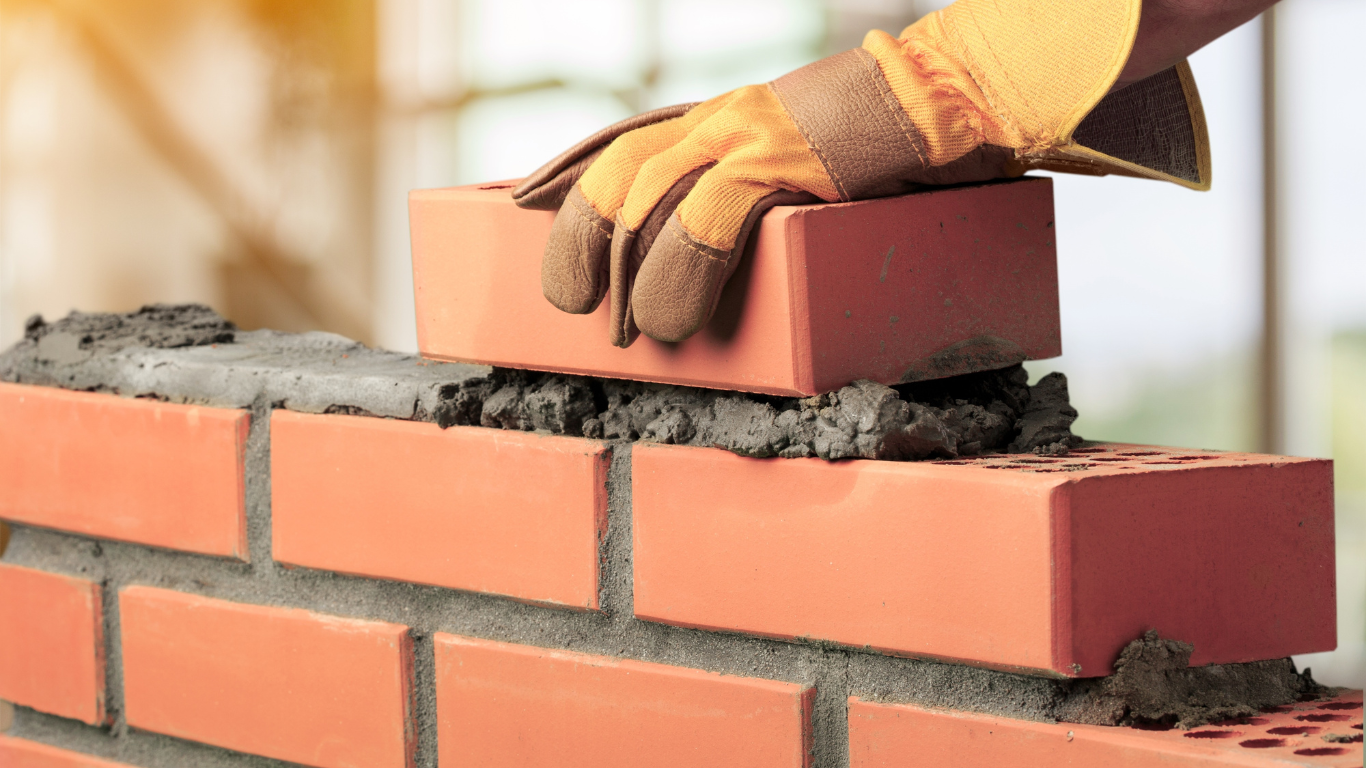
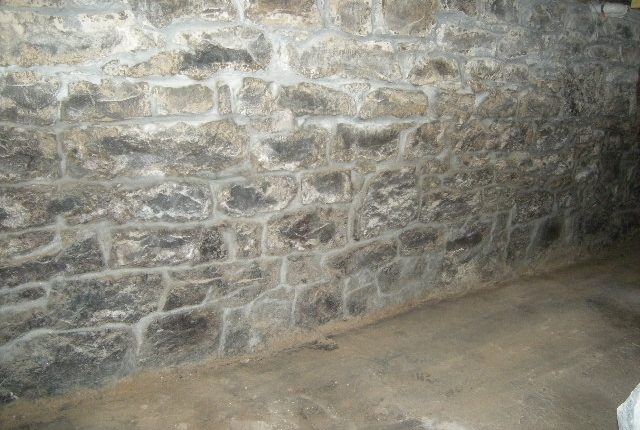
Repointing is one of the most important steps in restoring brick walls. This process involves filling the cleaned mortar joints with fresh mortar that bonds the bricks together and seals the wall against moisture infiltration.
The new mortar is carefully shaped and finished to match the existing masonry pattern.
Properly repointed mortar joints improve both structural strength and water resistance.
Sealing and Reinforcing the Masonry
After repairs are completed, additional steps may be taken to reinforce the masonry and protect it from future damage.
This may include improving drainage around the foundation, repairing flashing near rooflines, or applying breathable masonry sealers designed to reduce water penetration while allowing trapped moisture to escape.
These protective measures help extend the life of the repaired brick wall.
Why Ottawa and Nepean Homes Require Specialized Masonry Repair
Homes in Ottawa and Nepean face unique environmental conditions that influence how masonry must be repaired.
The region experiences some of the most dramatic seasonal temperature changes in Canada. These fluctuations create repeated expansion and contraction in building materials.
Because of this, brick repairs must be completed using materials that allow masonry to move naturally without cracking or failing again.
Proper mortar selection is especially important. Mortar must be compatible with the existing brickwork so that it remains flexible enough to accommodate seasonal shifts while still maintaining strength.
Using the right materials ensures that repairs remain durable and long lasting.
Preventing Future Brick Wall Damage
While masonry repairs restore the strength of brick walls, preventative maintenance helps avoid recurring issues.
Homeowners in Ottawa and Nepean can take several steps to protect their masonry.
Maintain Proper Drainage
Ensure that gutters, downspouts, and grading direct water away from the home’s foundation. Excess moisture is one of the leading causes of brick deterioration.
Inspect Masonry Annually
Regular visual inspections allow homeowners to identify cracks or loose mortar early before larger repairs become necessary.
Address Minor Repairs Quickly
Small cracks or deteriorating mortar joints should be repaired promptly. Waiting too long allows moisture to enter deeper into the masonry.
Protect Masonry From Water Exposure
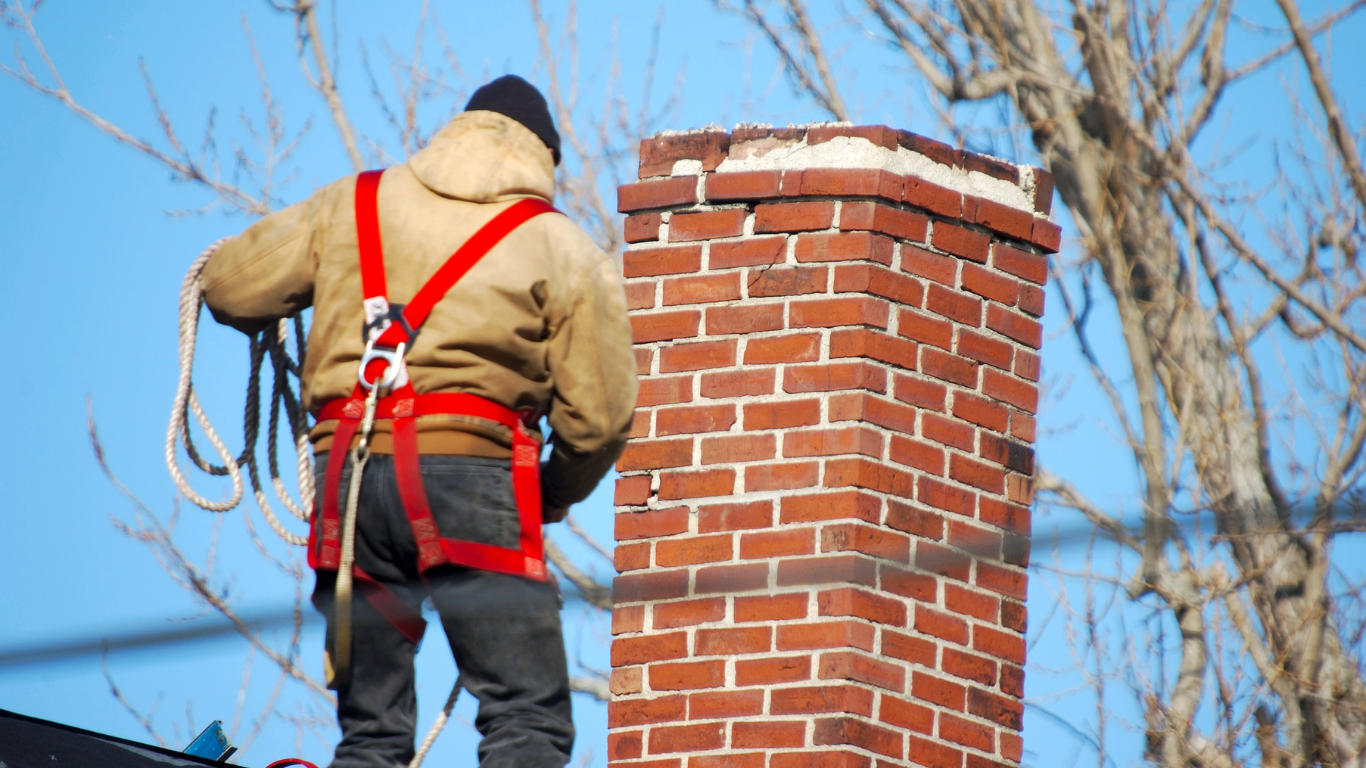
Roof flashing, window seals, and chimney components should be maintained to prevent water from entering brick structures.
Preventative care helps preserve the appearance and structural integrity of masonry walls for many years.
The Importance of Skilled Masonry Work
Brick repair is not simply a cosmetic improvement. Proper masonry restoration ensures that brick walls remain structurally stable and capable of protecting the home.
Poorly executed repairs can lead to further deterioration, trapped moisture, and costly future damage.
Skilled masonry repair focuses on restoring the strength of the entire wall system rather than just covering visible cracks.
By addressing structural issues, replacing damaged materials, and reinforcing mortar joints, brick walls can regain their durability and continue performing as intended.
Long Term Benefits of Professional Brick Wall Restoration
Repairing damaged brick walls across Ottawa and Nepean homes provides several important long term benefits.
Structural Stability
Proper masonry repair restores the strength of brick walls and prevents further structural movement.
Weather Protection
Repaired mortar joints and replaced bricks help prevent moisture from entering the wall system.
Improved Property Appearance
Brick restoration enhances curb appeal and preserves the classic appearance of masonry homes.
Increased Longevity
When repaired correctly, brick walls can last for many decades with minimal maintenance.
Final Thoughts
Brick walls remain one of the most durable and visually appealing building materials used in Ottawa and Nepean homes. However, exposure to harsh winters, moisture infiltration, and structural movement can eventually lead to cracks, deteriorating mortar, and weakened masonry.
Repairing damaged brick walls requires careful inspection, proper material selection, and experienced workmanship. When repairs are completed correctly, masonry can be restored to its original strength while protecting the home from future weather related damage.
By addressing brick damage early and maintaining the structure properly, homeowners can preserve the beauty, safety, and durability of their masonry for many years to come.