
When I first purchased my older Ottawa home, one of the things that drew me in was the original brick exterior. It had character, history, and a charm that newer homes just don’t replicate. But as much as I loved it, I soon realized that age comes with responsibility. The brickwork wasn’t collapsing or crumbling everywhere, but there were enough warning signs that made me think twice—small cracks, weathered mortar, and uneven colour patches that hinted at years of exposure.
Restoring the original brick became more than a repair job. It turned into a project that taught me about the value of preservation, patience, and understanding how Ottawa’s climate affects older masonry.
What Made Me Realize the Brick Needed Restoration
At first glance, the exterior looked “old but fine.” It wasn’t until I started paying closer attention that the issues became impossible to ignore.
The early signs I noticed:
- Mortar joints that looked recessed and sandy
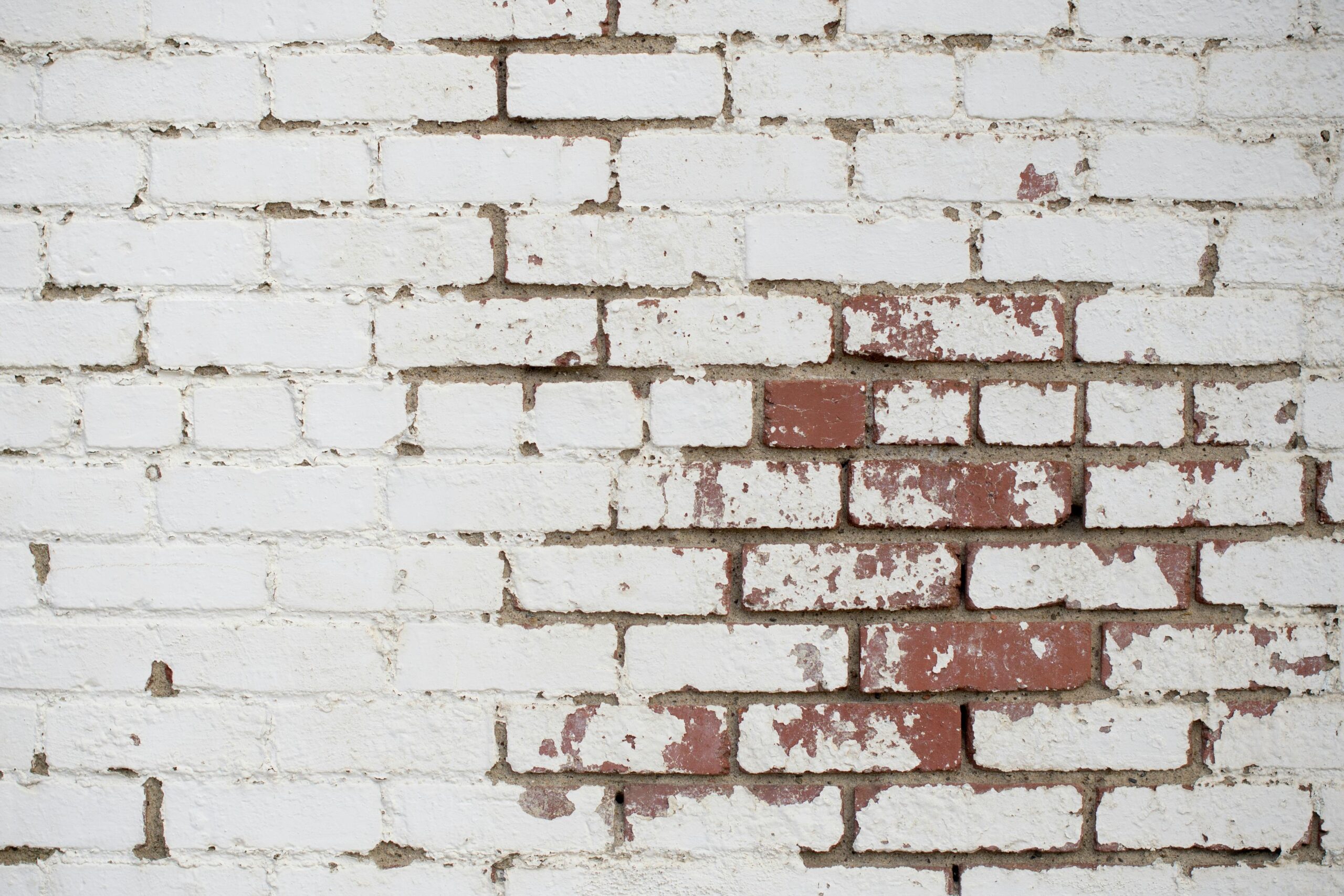
- Bricks with slight surface flaking (spalling)
- Discoloured patches that held moisture longer
- Small cracks forming around window and door openings
- Efflorescence returning after each cleaning
Individually, none of these seemed urgent. Together, they told a different story.
How Ottawa’s Climate Played a Bigger Role Than I Expected
Older brick behaves differently, especially when paired with Ottawa’s weather extremes.
Here’s what I learned quickly:
- Freeze–thaw cycles accelerate deterioration
- Older mortar absorbs moisture faster
- Sun exposure dries certain areas too quickly
- Snow along the foundation increases long-term stress
- Rapid temperature swings weaken already-aged joints
What looked like surface aging was actually environmental wear that built up over decades.
Why I Chose Restoration Instead of Replacement
At one point, I wondered whether replacing damaged brick would be easier. But the more I researched, the clearer it became: restoration protects what makes an older home unique.
Restoration made sense because:
- The original brick matched the character of the house
- New brick would never look the same
- Repairs were localized—not structural failure
- Restoring costs less than full replacement
- Preserving history added long-term value
Keeping the original brick felt like honoring the home instead of replacing its identity.
Understanding What Older Brick Really Needs
One of the biggest surprises was learning that older homes often require different materials and techniques than modern ones.
Key things I discovered:
- Older brick is softer and more porous
- Mortar used decades ago was weaker on purpose
- Using modern, harder mortar can damage old brick
- Matching colour AND composition matters
- Restoration isn’t just cosmetic—it’s structural protection
Once I understood this, the whole process made a lot more sense.
The Step-by-Step Process That Transformed the Brick
Restoration wasn’t fast, but it was methodical. Each stage made a visible difference.
1. Assessment and Cleaning
Before anything else, the brick needed to be evaluated:
- Gentle cleaning to remove dirt and residue
- Identifying loose or damaged mortar
- Checking for moisture-affected areas
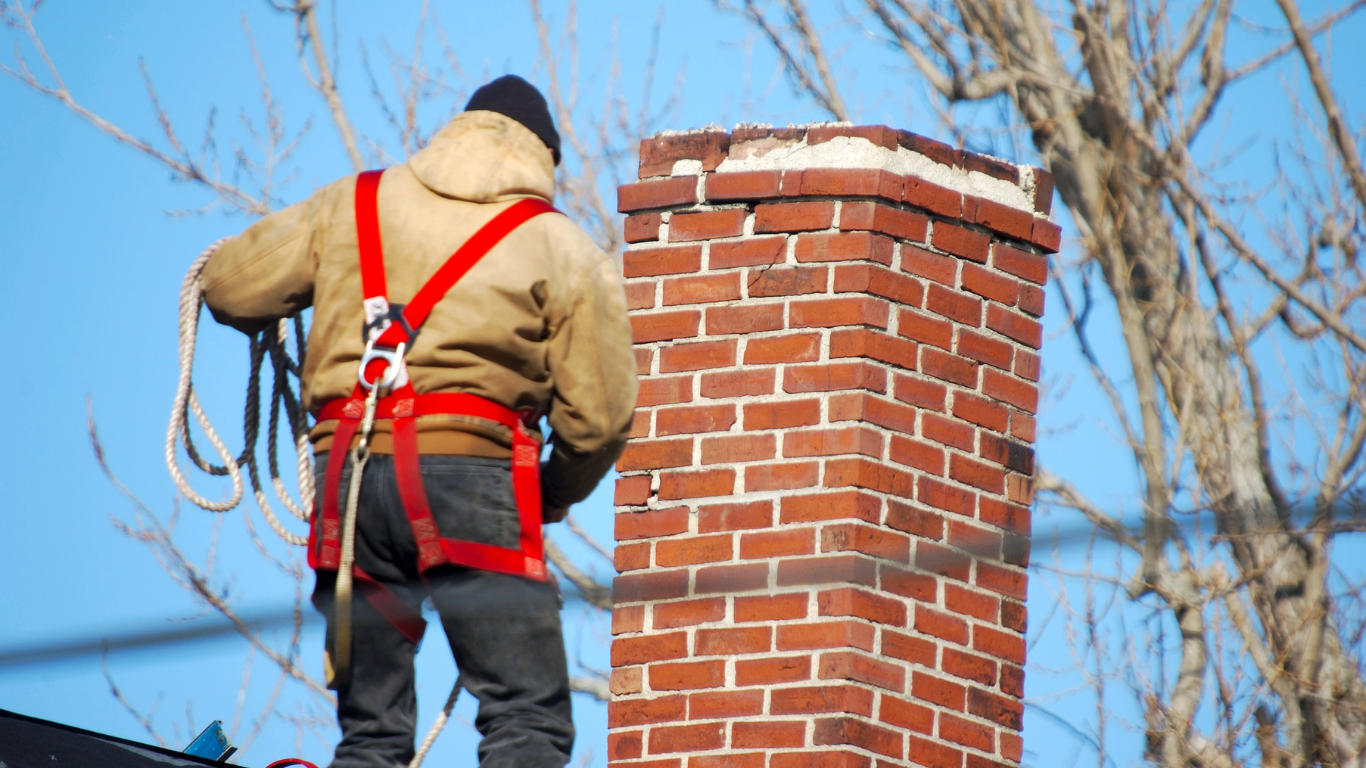
- Inspecting around chimneys and foundation walls
This revealed far more than I could see at first glance.
2. Removing Deteriorated Mortar
Old mortar was carefully taken out—not chipped aggressively:
- Depth matched original joints
- Brick edges were protected
- Loose material was fully cleared
This step prepared the surface without causing new damage.
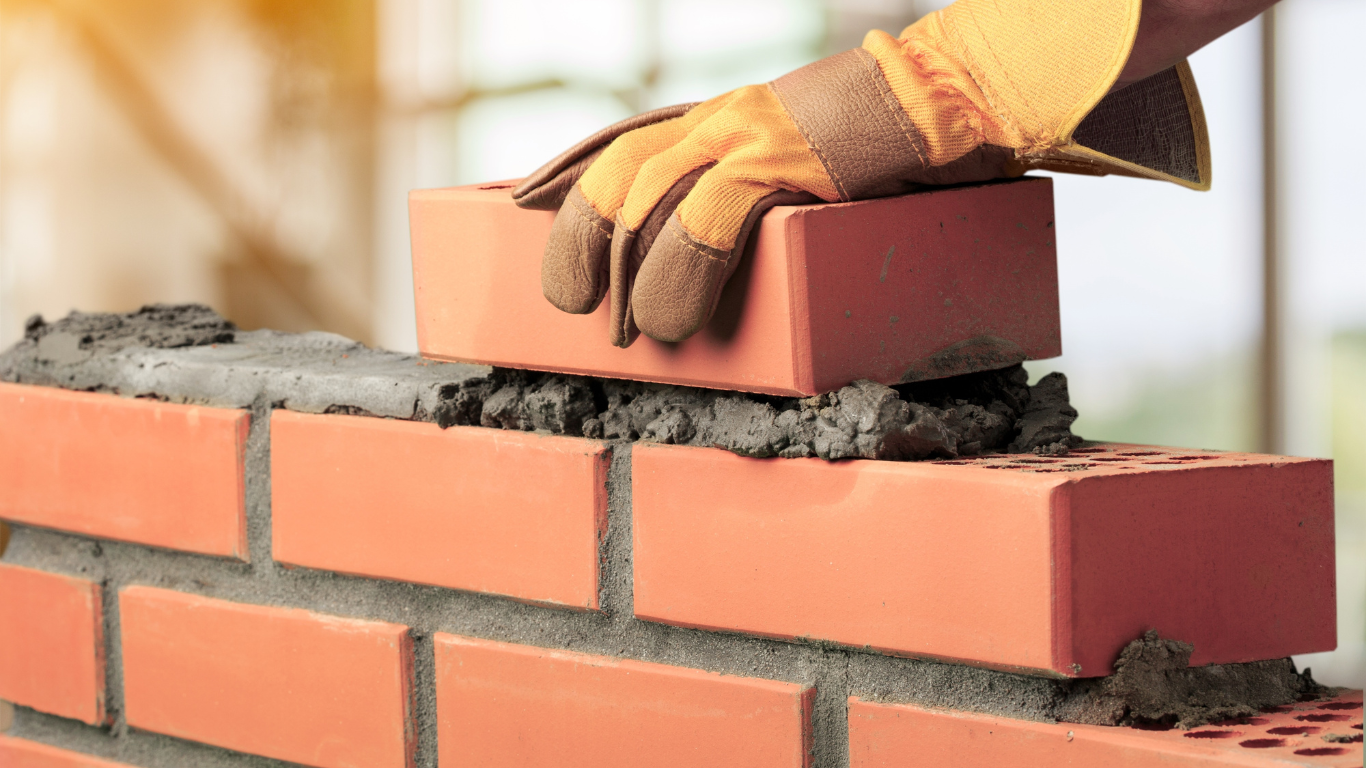
3. Repointing With Compatible Mortar
Fresh mortar made the biggest visual and structural impact.
It improved:
- Stability
- Moisture resistance
- Joint appearance
- Long-term durability
The colour match kept everything consistent, which mattered more than I expected.
4. Repairing Individual Bricks
Only a few bricks needed replacement, and they were carefully matched for:
- Size
- Texture
- Tone
This prevented the patchwork look that often appears in rushed repairs.
Why Matching the Mortar Was More Critical Than I Expected
I originally thought colour was the only concern, but there’s a science behind it.
What I learned:
- Mortar must allow old brick to breathe
- Too-strong mortar forces brick to crack
- The correct mix prevents moisture trapping
- Matching texture blends the repair seamlessly
The wrong mortar can cause more damage than no repair at all.
How the Restoration Improved the Home Beyond Appearance
I expected cosmetic improvements; I didn’t expect functional ones.
Changes I noticed over time:
- Reduced interior dampness along exterior walls
- No more recurring efflorescence
- Bricks no longer absorbed water unevenly
- The exterior felt more solid and secure
- Heating efficiency improved slightly due to tightened joints
Restoration didn’t just make the house look better—it helped it perform better.
What I Now Do to Maintain the Restored Brickwork
Restoration isn’t a one-time solution; it’s the beginning of proper care.
My maintenance routine now includes:
Spring
- Checking for any new cracking
- Clearing salt residue from the foundation
- Inspecting for winter-related damage
Summer
- Gentle cleaning only when necessary
- Watching shaded areas for moisture retention
Fall
- Making sure downspouts direct water away
- Clearing leaves from around foundation walls
Winter
- Keeping snow away from the brick base
- Avoiding de-icing salt along exterior edges
Simple habits prevent repeating the same issues.
What I Would Tell Anyone With an Older Ottawa Home
Restoring original brick isn’t just maintenance—it’s preservation. Older homes have character that can’t be recreated, and protecting that is worth the effort.
My biggest takeaways:
- Small issues become big ones when ignored
- Ottawa’s climate requires proactive care
- The right materials matter as much as the repair
- Restoration is almost always better than replacement
- Once restored, the brick can last for decades
It’s one of the most rewarding upgrades I’ve made—not just for the home, but for the peace of mind that came with it.