My Guide to Choosing Between Brick Repointing and Brick Replacement in Ottawa
Brick masonry can remain strong and attractive for decades, but Ottawa’s weather can gradually affect both bricks and mortar. Moisture, snow, ice, and repeated freeze-thaw cycles may cause mortar joints to crumble or bricks to crack, flake, and break apart.
When homeowners notice masonry damage, one of the most common questions I hear is whether the wall needs brick repointing or brick replacement. These are different types of repairs, and choosing the right option depends on the condition of the brickwork, the extent of the damage, and the reason the deterioration occurred.
In this guide, I explain what I look for when comparing brick repointing with brick replacement in Ottawa homes.
What Is Brick Repointing?
Brick repointing involves removing deteriorated mortar from the joints between bricks and replacing it with new mortar. The bricks themselves remain in place when they are still sound and properly bonded.
Mortar joints can deteriorate before the bricks do. As the mortar ages, it may become cracked, recessed, loose, or powdery. Water can enter through these openings and reach the surrounding masonry. In Ottawa, freezing temperatures can make the problem worse because moisture expands as it freezes.
Repointing may help:
Restore damaged mortar joints
Reduce moisture entry
Improve the appearance of older brickwork
Support the stability of the wall
Extend the useful life of existing masonry
Preserve original bricks that are still in good condition
The process requires care because too much pressure or the wrong tools can damage the surrounding bricks. The deteriorated mortar must be removed to an appropriate depth, and the new material must be installed properly within the joints.
What Is Brick Replacement?
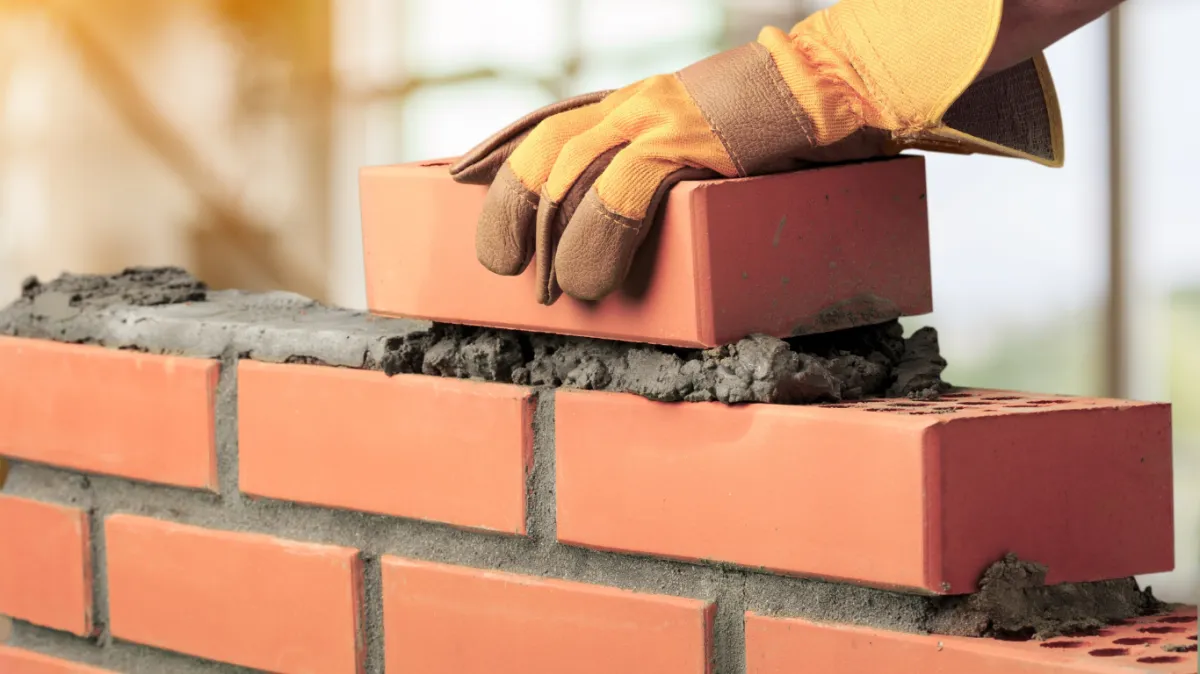
Brick replacement involves removing damaged bricks and installing new ones in their place. This option is considered when individual bricks have cracked, spalled, broken, or deteriorated beyond repair.
Brick replacement may be appropriate when:
The brick is cracked through its full depth
The face of the brick is flaking or falling away
The brick has broken into pieces
Moisture damage has weakened the brick
The brick is loose or displaced
Previous repairs have failed
The brick no longer provides a sound masonry surface
Replacing a damaged brick does not necessarily mean rebuilding the entire wall. In many cases, individual bricks can be removed carefully and replaced while the surrounding masonry remains intact.
The replacement brick should be selected with attention to size, colour, texture, strength, and profile. A poor match can make the repair stand out and may create a visual difference across the wall.
I Start by Inspecting the Mortar
When I assess a damaged brick wall, I first look at the mortar joints around the affected area. If the mortar is cracked, recessed, or crumbling but the bricks remain solid, repointing may be the most suitable repair.
I check whether:
The mortar can be removed without damaging the brick
The joints are failing in one small area or across the wall
Moisture has entered through open joints
The bricks are still firmly connected
Earlier repointing work is separating or cracking
If the bricks have a stable surface and the damage is mainly within the joints, replacing the bricks may not be necessary. Repointing can restore the joints while preserving the original masonry.
However, repointing should not be used to cover bricks that are severely cracked or breaking apart. Mortar cannot restore a brick that has already lost its structural integrity.
I Look Closely at Brick Spalling
Spalling occurs when the outer face of a brick begins to flake, peel, or break away. It is often connected to moisture entering the brick and freezing during Ottawa winters.
A brick with minor surface wear may not require immediate replacement, but I look at how deep the deterioration extends. If only a small area is affected and the brick remains sound, the condition may be monitored or addressed as part of a broader masonry repair.
Replacement is more likely when:
Large portions of the brick face have separated
The brick is soft or crumbling
Cracks extend into the body of the brick
Water can easily enter the damaged surface
Nearby bricks show similar deterioration
Spalling can continue if the underlying moisture issue is not addressed. Replacing the damaged brick may be necessary, but I also look for the reason the moisture reached the wall in the first place.
I Consider the Age and Type of the Masonry
Older Ottawa homes may contain bricks and mortar that differ significantly from modern masonry materials. The age of the wall, the original construction method, and the type of brick all influence the repair decision.
Some older bricks are softer and more porous than newer bricks. They may require a compatible mortar that allows the masonry to handle moisture and seasonal movement appropriately.
When considering repointing, I look at whether the new mortar will work with the existing brick. Mortar that is too hard may place stress on softer bricks and cause damage around the joints.
When considering replacement, I look for bricks that are reasonably compatible with the existing wall. An exact match is not always possible, especially on older properties, but the replacement should be selected carefully to create a natural result.
I Check Whether the Damage Is Isolated
The size and pattern of the damage are important. One damaged brick may be an isolated issue caused by impact, a localized moisture problem, or a previous repair. Several damaged bricks in the same area may suggest a larger concern.
I look for patterns such as:
Damage concentrated below windows
Cracking near corners
Deterioration around chimneys
Spalling on exposed wall faces
Failing mortar across several courses
Damage below roof edges or drainage points
Repeated repairs in the same location
If only a few bricks are damaged and the surrounding mortar is sound, individual replacement may be sufficient. If many joints are failing throughout the wall, repointing may be part of a larger restoration plan.
In some situations, both repairs are required. A wall may need repointing in one section and brick replacement in another.
I Inspect Around Windows and Doors
Brickwork around windows and doors often experiences additional movement and moisture exposure. These areas also contain transitions between masonry, trim, sealants, and flashing.
I inspect for:
Cracks extending from window corners
Broken bricks above openings
Open mortar joints
Water staining
Gaps around frames
Failed sealant
Uneven or shifting masonry
If the brick is sound but the mortar joints have opened, repointing may help restore the area. If individual bricks have cracked or become loose, replacement may be required.
I also consider whether water is entering around the opening. If the moisture source remains active, new mortar or replacement bricks may deteriorate again. A lasting repair should address the condition of the surrounding masonry as well as the visible damage.
I Look for Wall Movement
Brick repointing and brick replacement are both repair options, but neither should be used to hide significant wall movement.
I look for:
Bulging brickwork
Leaning sections
Uneven brick courses
Separated corners
Large cracks extending through multiple courses
Loose or displaced masonry
If a wall is moving, the issue may involve more than damaged mortar or individual bricks. The masonry may require a more detailed assessment to determine whether a larger section needs to be rebuilt or stabilized.
Repointing a moving wall may only provide a temporary improvement. Replacing a few bricks may also fail if the surrounding section continues to shift.
When Repointing Is Usually the Better Option
Repointing may be appropriate when:
The bricks are generally sound
Mortar joints are cracked or deteriorated
The damage is spread across the joints
There is no major wall movement
The bricks are not severely spalled
Moisture has entered through open mortar joints
The goal is to preserve existing masonry
Repointing can improve both the appearance and condition of a brick wall. It is especially useful when the mortar has reached the end of its service life but the bricks remain in good condition.
When Brick Replacement Is Usually Necessary
Brick replacement may be more appropriate when:
Individual bricks are cracked or broken
Bricks are flaking or losing their outer face
The masonry is loose
The brick has suffered significant moisture damage
A brick is displaced or no longer properly supported
The damaged material cannot be repaired through repointing
Previous repairs are failing around the brick
Replacing damaged bricks can help prevent water from entering the wall and can restore a more consistent appearance.
Why Both Repairs May Be Needed
It is common for a masonry wall to need both repointing and brick replacement. Brick and mortar are connected systems, and deterioration in one can affect the other.
For example, a wall may have:
Several cracked bricks
Mortar joints that are crumbling
Water staining around the damaged area
Older repairs that have separated
Additional deterioration around windows
In that situation, replacing only the bricks may leave damaged mortar in place. Repointing only the joints may leave cracked or spalled bricks within the wall.
I assess each part of the masonry and recommend a repair plan based on the actual condition of the property.
How I Choose the Right Repair for an Ottawa Home
My decision is based on more than appearance. I consider:
The condition of the bricks
The condition of the mortar
The source of moisture
The size of the damaged area
The age and style of the masonry
The location of the damage
Whether the wall has shifted or moved
The compatibility of repair materials
The long-term performance of the repair
A proper assessment helps prevent unnecessary replacement while ensuring that damaged materials are not left in place.
Final Thoughts
Brick repointing and brick replacement serve different purposes. Repointing restores deteriorated mortar joints when the bricks remain sound. Brick replacement addresses individual bricks that are cracked, broken, severely spalled, or no longer capable of performing properly.
In Ottawa, moisture and freeze-thaw cycles can accelerate both types of masonry damage. That is why early inspection is important. A small mortar repair or individual brick replacement may be easier to manage before water reaches larger areas of the wall.
When I inspect brickwork, I look at the complete masonry system rather than focusing on one visible defect. By identifying the cause, extent, and pattern of the damage, I can help determine whether the property needs repointing, brick replacement, or a combination of both.
