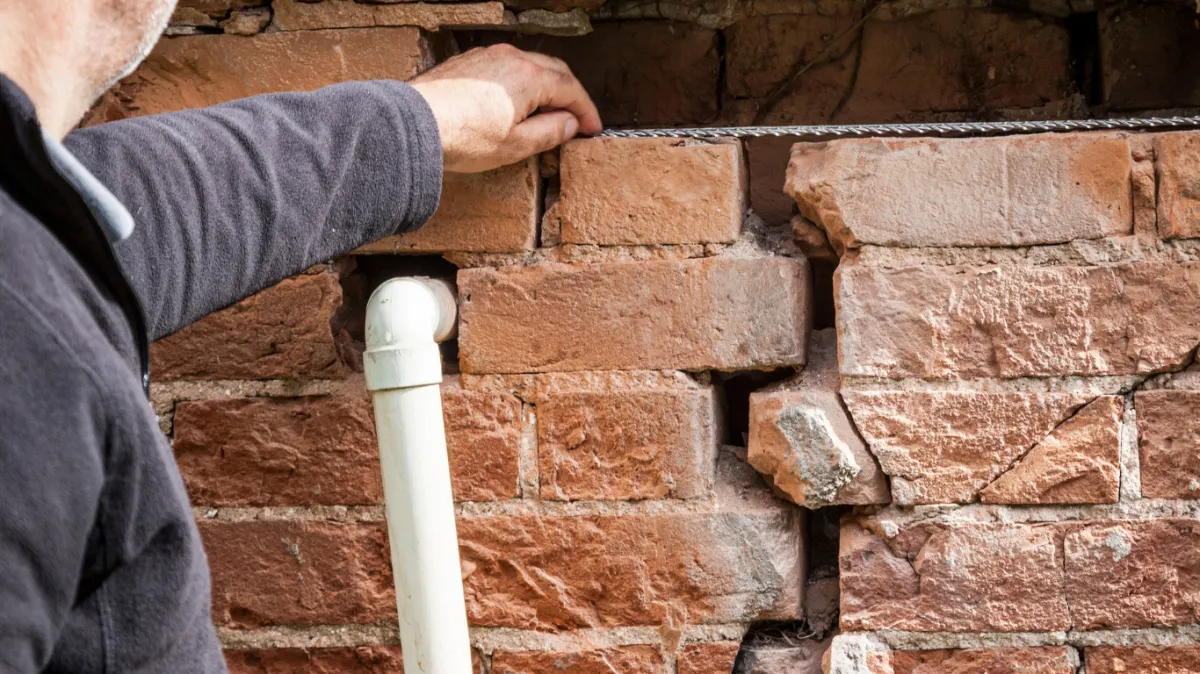
How I Repair Aging Brick Mortar in Gloucester Without Replacing Sound Masonry
One of the most common things I see when working on older brick homes is masonry that looks worse than it actually is. The bricks may still be strong and serviceable, but the mortar joints between them have begun to crack, crumble, recede, or disappear.
In situations like these, I do not believe sound brick should be replaced simply because the mortar surrounding it has aged.
Instead, I focus on identifying the deteriorated joints and restoring them through careful repointing. This allows me to preserve as much of the original masonry as practical while addressing the areas that actually need attention.
For homeowners searching for brick repair Gloucester, brick repointing Gloucester, masonry repair Gloucester, brick repair Ottawa, or residential masonry services Ottawa, understanding the difference between failing mortar and failing brick can help avoid unnecessary masonry replacement.
Why I Inspect the Mortar Before Recommending Brick Replacement
Brick and mortar work together, but they do not necessarily deteriorate at the same rate.
On an older Gloucester home, I may find bricks that remain in good condition even though the mortar joints around them have significantly weathered.
If the bricks are still sound, removing them would create unnecessary work and disturb original masonry that may have many years of useful life remaining.
That is why my first question is not, "How much brick should I replace?"
It is, "What has actually failed?"
Sometimes the answer is primarily the mortar.
What Happens to Mortar as It Ages?
Exterior mortar is constantly exposed to changing conditions.
Rain reaches the wall.
Snow accumulates around portions of the home.
Temperatures rise and fall.
Wind-driven moisture affects exposed elevations.
Over many years, mortar joints can gradually weather.
I may see shallow deterioration at first. Eventually, joints can become noticeably recessed, cracked, loose, or partially missing.
The progression is not identical on every property.
One wall may remain in relatively good condition while another elevation shows considerably more weathering.
This is why I inspect the masonry rather than assuming that the entire home needs the same repair.
Signs of Aging Brick Mortar
Homeowners can often identify early mortar deterioration by looking carefully at their exterior brickwork from a safe location.
I recommend watching for joints that appear significantly deeper than surrounding mortar, cracks running through joints, loose or powdery material, missing sections, gaps around individual bricks, and areas where previous repairs have separated.
You may also notice small mortar fragments beneath the wall.
These signs do not automatically mean the bricks themselves need replacement.
They tell me that the joints should be evaluated.
What Is Brick Repointing?
Brick repointing is the process I use to renew deteriorated mortar joints while keeping serviceable bricks in place.
The work involves identifying failed mortar, removing deteriorated material where appropriate, preparing the joints, and installing replacement mortar.
The finished joint is then shaped appropriately for the surrounding masonry.
Repointing sounds simple when summarized in a few sentences, but preparation and judgment are important.
My goal is not merely to make old joints look fresh.
I want to remove failed material where necessary and restore the deteriorated portions without unnecessarily disturbing sound brickwork.
Why I Do Not Simply Cover Old Mortar
One of the biggest differences between a proper masonry repair and a cosmetic patch is what happens underneath the visible surface.
If mortar is loose and crumbling, spreading a thin layer of fresh material over it does not properly address the deterioration below.
The new surface may initially look improved, but the underlying joint remains compromised.
When repointing is required, I prefer to prepare the deteriorated joint appropriately before installing replacement mortar.
A good-looking finish matters, but the preparation behind it matters just as much.
My Preservation-First Approach
When I inspect an older brick wall, I separate the masonry into different conditions.
Some bricks may be perfectly sound.
Some mortar joints may still be serviceable.
Other joints may need repointing.
Perhaps one or two individual bricks are damaged enough to justify replacement.
I do not treat all of those conditions as though they are identical.
My approach is to preserve sound masonry, repair deteriorated areas, and replace material only when its condition makes replacement appropriate.
For older Gloucester homes, this can be particularly valuable because it helps retain more of the property's established brickwork.
Why Original Brick Is Worth Preserving
Older brick can have colours, textures, dimensions, and surface characteristics that are difficult to reproduce exactly with new material.
Even when a suitable replacement is available, decades of weathering can make the original wall look different from new brick.
That does not mean damaged brick should never be replaced.
It means I do not replace it unnecessarily.
If the original unit remains sound, I prefer to leave it in place and concentrate on the failed mortar around it.
When I Know a Brick May Need Replacement
Repointing repairs mortar. It cannot restore every type of brick deterioration.
If an individual brick is badly cracked, significantly spalled, broken, loose, or has lost substantial material, I assess whether replacement is appropriate.
This is where targeted restoration becomes useful.
A wall containing hundreds of sound bricks may only require a handful of individual replacements along with repointing.
I would rather complete that focused repair than remove large amounts of serviceable masonry.
Spalling Brick Versus Deteriorating Mortar
These conditions are related to masonry deterioration, but they are not the same.
Spalling affects the brick itself.
The outer face may flake, chip, or break away.
Mortar deterioration occurs in the joints between bricks.
During an inspection, I distinguish between the two because the repair method can be different.
A sound brick surrounded by deteriorated mortar may need repointing.
A severely deteriorated brick may require replacement.
A wall can also contain both conditions at the same time.
Why Gloucester's Seasonal Weather Matters
Gloucester homes experience the same seasonal conditions found throughout Ottawa.
Exterior masonry is exposed to rain, snow, freezing temperatures, thawing periods, summer heat, and significant temperature changes throughout the year.
Sound masonry is built to withstand exterior exposure, but existing cracks and deteriorated joints can become increasingly vulnerable.
Moisture may enter open areas.
When temperatures drop below freezing, wet masonry can experience additional stress.
I do not assume freeze-thaw conditions are responsible for every damaged mortar joint, but they are an important consideration when maintaining masonry in Ottawa's climate.
Moisture Can Reveal Vulnerable Areas
When deterioration is concentrated in one particular section of a wall, I look at moisture exposure.
Perhaps roof runoff repeatedly reaches that area.
Maybe a downspout is discharging too close to the masonry.
Snow may regularly accumulate against lower courses.
Landscaping could be keeping part of the wall damp.
The repair still needs to address the mortar, but reducing avoidable moisture exposure can help support the masonry after restoration.
I Look for Patterns Rather Than Isolated Symptoms
One deteriorated joint may simply represent a localized repair.
An entire section of recessed mortar tells me something different.
Cracks extending through multiple bricks and joints deserve closer attention.
A wall that appears to be moving should not simply be covered with fresh mortar.
Patterns help me understand whether I am looking at normal localized deterioration or something that may require a different level of assessment.
I Do Not Use Repointing to Hide Significant Movement
This is an important part of responsible masonry work.
Fresh mortar can fill a crack, but filling a crack does not necessarily explain why it developed.
If brickwork is bulging, noticeably displaced, or showing a concerning pattern of movement, I do not treat repointing as an automatic solution.
The underlying condition may need further assessment before cosmetic masonry restoration is completed.
Repointing is excellent for deteriorated mortar joints.
It should not be used to conceal a problem it cannot correct.
My Brick Mortar Repair Process
Every property is different, but my process begins with inspection.
I examine the wall and identify deteriorated joints.
I check surrounding bricks.
I review previous repairs.
I look for cracking patterns and areas of moisture exposure.
Once I determine that repointing is appropriate, failed mortar is carefully removed where necessary.
The joints are cleaned and prepared.
Replacement mortar is installed and finished appropriately.
Afterward, I review the repaired area in relation to the surrounding masonry.
This method keeps the work focused on actual deterioration.
Why Joint Preparation Is So Important
The final mortar is the part homeowners see.
But much of the quality of the repair depends on preparation.
If deteriorated material remains where it should have been removed, the replacement mortar may not have an appropriate joint to occupy.
That is why I do not rush directly to the finishing stage.
Proper masonry restoration often involves careful work before anything begins looking noticeably different.
Mortar Compatibility Matters
Not every mortar application should be approached identically.
The existing masonry needs to be considered when selecting and installing replacement mortar.
Older brickwork can behave differently from newer masonry, and I do not want a repair that ignores the characteristics of the surrounding materials.
The objective is to create a suitable repair for the wall rather than simply choosing mortar based on appearance alone.
Mortar Colour and Joint Profile Matter Too
Once repaired, mortar becomes a visible part of the facade.
Colour differences can make a patch stand out.
Joint shape and finish also influence appearance.
When working on established brickwork, I consider how the repaired joints will relate visually to surrounding masonry.
An exact match is not always possible because existing mortar has aged and weathered, but thoughtful finishing can produce a much more natural result.
Previous Repointing Can Affect My Repair Plan
Older Gloucester homes may have been repointed before.
Sometimes those repairs remain sound.
Other times I find patches where mortar is cracking, separating, or deteriorating differently from the original joints.
I do not automatically remove every previous repair.
I assess its current condition.
If it is stable and performing appropriately, I take that into consideration.
If it is failing, I determine what needs to be corrected.
Brick Around Windows and Doors
I pay particular attention to mortar around openings.
Windows and doors interrupt the continuity of a brick wall, and cracking can sometimes become visible around these areas.
Some deterioration may simply involve aging mortar.
Other crack patterns can suggest that additional assessment is appropriate.
I do not assume that filling every crack with mortar is the correct answer.
The pattern and surrounding condition matter.
Lower Brick Courses Need Attention
Brickwork close to ground level often experiences different exposure than higher sections of a wall.
Rain can splash onto it.
Snow can accumulate against it.
Landscaping can hold moisture nearby.
When I find mortar deterioration concentrated in lower courses, I look at these surrounding conditions as part of my assessment.
Restoring the joints is important, but homeowners should also consider whether preventable moisture exposure can be reduced.
Brick Chimneys Can Need Repointing Too
A chimney is one of the most weather-exposed masonry features on a home.
It rises above the roofline and faces weather from several directions.
When chimney mortar becomes cracked, recessed, or missing, repointing may be appropriate if the surrounding bricks remain sound.
If individual chimney bricks have also deteriorated, I can determine whether targeted brick replacement should accompany the mortar repair.
For homeowners searching for chimney repair Ottawa, inspecting both the mortar and bricks is an important part of determining the restoration scope.
Chimney Repair Is Different From Chimney Cleaning
It is worth making this distinction because homeowners may encounter both services while searching online.
Terms such as Chimney Sweep Ottawa and chimney cleaning near me generally refer to cleaning and servicing the chimney or flue.
My masonry work focuses on exterior chimney brick, stone, mortar, and related masonry restoration.
A chimney may need masonry repointing even when cleaning is handled separately.
Stone Repointing Uses a Similar Preservation Philosophy
The same basic preservation principle applies to stone masonry.
Natural stone can remain sound while surrounding mortar deteriorates.
Rather than unnecessarily replacing good stone, I can assess whether repointing the failed joints is appropriate.
My stonework services can include stone repointing, natural stone facades, stone veneers, stone fireplaces, stone walls, flagstone, and patios.
Foundation Parging Is Another Surface I Inspect
If I am already evaluating exterior masonry, I may also notice deterioration in foundation parging.
Cracks, flaking, crumbling, and loose sections can indicate that parging repair Ottawa should be considered.
I inspect the existing finish and underlying surface before deciding on a repair.
Parging provides a finished and protective exterior coating, but I do not present it as a substitute for structural foundation repair, drainage correction, or dedicated waterproofing where those separate conditions exist.
Why I Recommend Whole-Property Masonry Maintenance
A homeowner may initially contact me about aging mortar on one wall.
During an exterior assessment, there may be other areas worth monitoring.
The chimney could contain several deteriorated joints.
A few bricks may be spalling.
Stonework around an entrance might need repointing.
Foundation parging could be starting to flake.
That does not mean every issue requires immediate major work.
It means homeowners benefit from knowing what condition their masonry is in so repairs can be prioritized sensibly.
Small Masonry Repairs Can Be Valuable
Not every masonry project needs to involve an entire wall.
A limited number of mortar joints may need attention.
Several individual bricks may require replacement.
One small area may need repointing.
For homeowners searching for small masonry services Ottawa, these targeted repairs can play an important role in preserving larger masonry surfaces.
I would rather address localized deterioration while most of the masonry remains sound than wait until the repair area becomes unnecessarily large.
Why Early Repointing Can Help Preserve Brickwork
Mortar deterioration does not mean a wall will suddenly fail.
But open and deteriorated joints should not simply be ignored indefinitely.
Early assessment allows me to determine whether a focused repointing project can restore the affected areas while preserving the surrounding brick.
If deterioration becomes widespread, the eventual restoration may require considerably more work.
Preventive masonry maintenance is about recognizing that difference early.
Spring Is a Useful Time to Inspect Mortar
After an Ottawa winter, I recommend walking around the home and looking at accessible brickwork.
Check whether mortar joints have changed.
Look for new gaps.
Watch for loose material.
Examine previously repaired areas.
Look for brick or mortar fragments near the wall.
A quick visual inspection can help identify changes before another full year of weather exposure.
I Also Recommend a Fall Masonry Check
Fall is another useful inspection period.
Before snow and freezing temperatures arrive, I recommend looking for joints that are already badly deteriorated.
If a repair is needed, an assessment can help homeowners determine the appropriate timing and scope.
The important thing is not to wait until an obviously deteriorated section has become much larger before asking what is happening.
What Influences Brick Repointing Cost?
There is no single price that applies to every repointing project.
The amount of deteriorated mortar matters.
Accessibility matters.
Wall height can influence the work.
The depth and condition of the joints matter.
Previous repairs can affect preparation.
The number of damaged bricks requiring separate replacement also matters.
A localized repair involving a small section is very different from repointing a large exterior wall.
I prefer assessing the masonry before determining what work is actually required.
Why I Do Not Recommend Replacing an Entire Wall Without a Reason
If most of a wall remains sound, I want to preserve it.
This is especially important with established brickwork.
Large-scale replacement can change the appearance of the home and increase the project scope considerably.
Sometimes extensive rebuilding genuinely is necessary.
But that decision should come from the masonry condition—not simply because the mortar looks old.
Residential Brickwork in Gloucester
My masonry services can include residential brick construction, brick repair and replacement, repointing, brick fireplaces, chimney repair and restoration, and related masonry work.
When dealing with existing homes, I place a strong emphasis on restoration.
The objective is to understand what remains usable and what genuinely requires repair.
Masonry Consulting Can Help Prioritize Work
Some homes have several aging masonry features at once.
The brick needs repointing.
The chimney contains deteriorated mortar.
Stonework needs attention.
Foundation parging has begun cracking.
In those situations, masonry consulting and project planning can help homeowners understand which repairs should be prioritized and which can be monitored.
That can make a larger restoration plan much easier to manage.
Serving Gloucester and the Greater Ottawa Area
Although this guide focuses on aging brick mortar in Gloucester, I provide masonry services throughout Ottawa and surrounding communities, including Nepean, Barrhaven, Kanata, Orleans, Greely, Metcalfe, Downtown Ottawa, and nearby areas.
Homes throughout these communities experience similar seasonal conditions, but masonry deterioration varies significantly from one property to another.
That is why I prefer inspecting the actual wall before recommending a repair.
When I Recommend Having Brick Mortar Assessed
I recommend professional assessment when mortar is visibly crumbling, cracked, deeply recessed, loose, or missing.
I also recommend taking a closer look when deterioration appears to be spreading, previous repairs are failing, bricks have started loosening, or cracks extend through multiple areas.
If the wall is bulging, shifting, or showing significant movement, that condition deserves particular attention rather than simply being covered with fresh mortar.
How I Repair Aging Brick Mortar in Gloucester Without Replacing Sound Masonry
My approach begins with one simple principle: I do not want to remove good masonry unnecessarily.
I inspect the bricks and mortar separately.
I identify which joints have deteriorated.
I look for damaged individual bricks.
I review previous repairs.
I consider moisture exposure.
I watch for movement.
Then I determine the appropriate restoration.
If the bricks remain sound, repointing may allow me to preserve them.
If several individual units have deteriorated, I can address those bricks separately.
If another condition is contributing to the damage, I want that recognized rather than hidden behind a cosmetic repair.
For homeowners searching for brick repointing Gloucester, brick repair Gloucester, masonry repair Gloucester, brick repointing Ottawa, brick repair Ottawa, masonry repair Ottawa, masonry Ottawa, residential masonry services Ottawa, or small masonry services Ottawa, this targeted approach can help keep masonry restoration focused on what actually needs attention.
At Lesway Masonry, I take pride in helping homeowners throughout Gloucester and the greater Ottawa area restore aging brickwork without unnecessarily replacing masonry that remains sound. My approach focuses on careful inspection, proper mortar-joint preparation, professional repointing, targeted brick replacement where necessary, and preserving as much of the home's existing masonry as practical.
Good restoration is not about replacing everything that looks old. It is about understanding what has deteriorated, repairing it properly, and respecting the masonry that still has plenty of life left.
