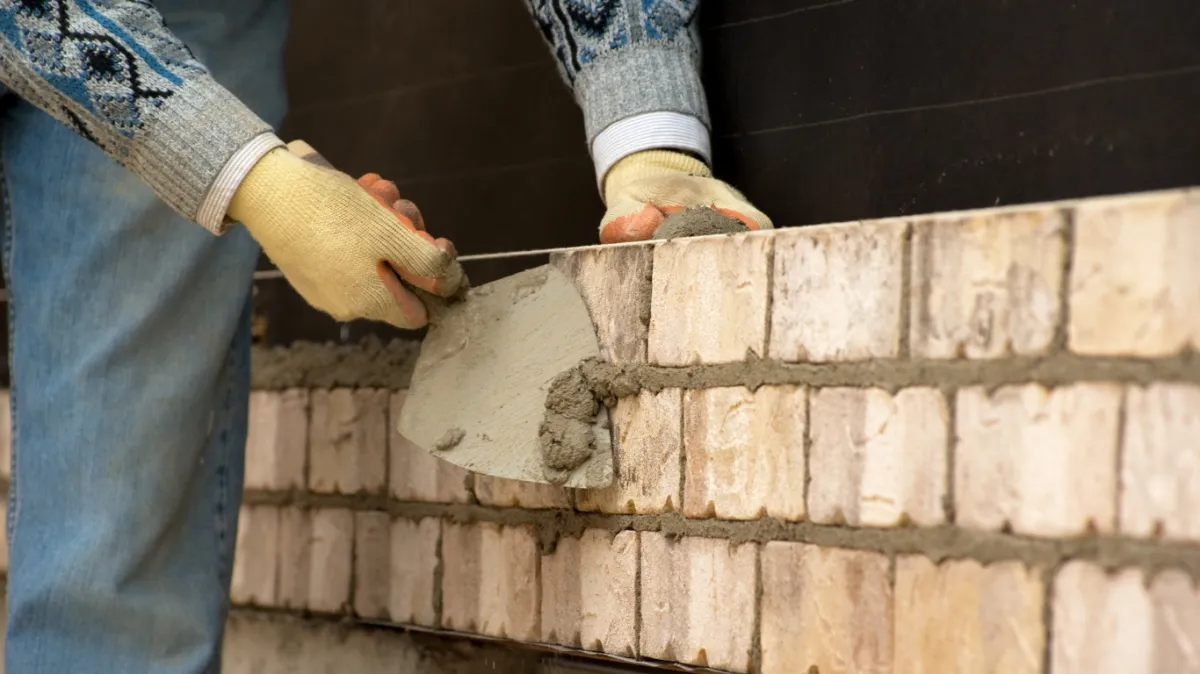
The Stone Masonry Details I Consider for Ottawa Homes and Businesses
Stone masonry can add character, strength, and lasting visual appeal to a home or commercial property. Natural stone facades, stone veneer, flagstone patios, stone walls, fireplaces, and other masonry features can become important parts of a property’s design. However, a successful stone project depends on much more than choosing an attractive material.
When I plan or inspect stone masonry in Ottawa, I consider the property, the purpose of the installation, the stone type, the mortar, drainage, preparation, layout, and long-term exposure to local weather. Ottawa’s freeze-thaw cycles can affect stone and mortar over time, so every detail needs to be considered before installation or repair begins.
I Start by Understanding the Purpose of the Project
The first detail I consider is how the stone feature will be used. A decorative stone facade has different requirements from a flagstone patio or a structural stone wall.
A project may be designed to:
Improve exterior appearance
Add architectural character
Create a durable outdoor surface
Restore older stone masonry
Build a fireplace or feature wall
Define a landscape area
Protect or finish part of a building
Improve the appearance of a commercial property
Understanding the purpose helps determine which materials and construction methods are appropriate. A surface that will experience foot traffic needs to be selected and installed differently from a vertical decorative feature.
I also consider how the new stonework will connect with the rest of the property. The finished installation should look intentional and complement the existing architecture rather than appear separate from it.
I Review the Existing Property
Before planning new stonework or repairing existing masonry, I examine the area where the work will take place. The condition of the existing surface can affect the preparation, materials, and installation process.
I look at:
The condition of the wall, foundation, or surface
Existing cracks or movement
Drainage conditions
Nearby roofs, windows, and doors
The condition of surrounding masonry
Soil, grading, and water flow
Access to the work area
How the new stone will meet other materials
For an older property, I also consider the existing construction style. A historic home may require a more careful approach to preserve its appearance and work with the original masonry.
If the supporting surface is damaged, unstable, or affected by moisture, installing new stone without addressing those conditions may create future problems. Proper stonework begins with a suitable base.
I Help Choose the Right Type of Stone
Stone is available in many colours, textures, sizes, shapes, and thicknesses. The choice should be based on both appearance and performance.
Common options may include:
Natural stone
Flagstone
Stone veneer
Cut stone
Fieldstone
Manufactured masonry products
Stone selected for walls, patios, facades, or fireplaces
Natural stone can create a distinctive appearance because each piece has its own variation. Flagstone is often used for patios and walkways because of its natural shape and surface character. Stone veneer can provide the appearance of masonry for selected interior or exterior applications with a different installation method.
When selecting stone, I consider:
The location of the project
The amount of moisture exposure
Foot traffic or physical use
The surrounding colours and materials
The desired level of visual variation
The required thickness and weight
The installation surface
The best choice is not always the most expensive or visually dramatic material. It is the stone that suits the property, the application, and the conditions in which it will perform.
I Consider Ottawa’s Freeze-Thaw Cycles
Ottawa’s climate is one of the most important factors in exterior stone masonry. Moisture can enter small openings in stone or mortar. When temperatures fall below freezing, that moisture expands. Repeated cycles of freezing and thawing can gradually contribute to cracking, separation, and deterioration.
I pay close attention to areas where water may collect or enter, including:
Stone joints
Wall tops
Patio surfaces
Foundation edges
Window and door transitions
Roof drainage paths
Areas near downspouts
Low sections of exterior walls
Proper installation can help manage moisture and reduce the risk of damage. The stone, mortar, base, drainage, and surrounding details all need to work together.
A stone feature may look attractive immediately after installation, but long-term performance depends on how well it handles water and seasonal movement.
I Plan the Base and Surface Preparation
Preparation is one of the most important parts of any stone masonry project. A strong-looking finish cannot compensate for an unstable or poorly prepared base.
For exterior projects, I consider:
Soil stability
Base depth
Drainage
Surface slope
Settlement risk
Existing concrete or masonry
The expected weight and use of the feature
For a flagstone patio or walkway, the base needs to support the stone and help reduce movement. The surface should also be planned so water does not remain trapped against the building or collect in low areas.
For a wall or facade, I examine the existing surface and determine whether it is suitable for the planned stone installation. Loose, damaged, or deteriorated material may need to be addressed before the new stone is installed.
Good preparation may take more time, but it helps create a finished project that is more stable and easier to maintain.
I Pay Attention to Drainage
Water management is essential for both new and existing stonework. Poor drainage can affect mortar joints, create staining, contribute to settlement, and increase the impact of freezing temperatures.
I consider how water will:
Run off the stone surface
Move away from the building
Drain through or around the base
Flow near patios and walkways
Interact with downspouts
Affect foundation walls
Enter or leave the masonry system
A patio that slopes toward a home may direct water toward the foundation. A wall without appropriate drainage details may retain moisture. A stone facade may experience problems if water is entering behind the installation.
The exact drainage requirements depend on the project, but water should always be part of the planning process.
I Plan the Layout Before Installing the Stone
Stone masonry is both a technical and visual process. The layout affects how natural the finished project looks and how well the materials fit together.
Before installation, I consider:
The size and shape of each stone
Joint spacing
Pattern and alignment
Corners and edges
Transitions around openings
The location of larger feature stones
How the stonework meets existing materials
With natural stone, variation is part of the appeal. However, the layout still needs to feel balanced. Large and small stones should be placed in a way that creates a natural pattern rather than an uneven or forced appearance.
For facades and walls, I consider how the joints line up and how corners are finished. For patios, I consider walking paths, furniture locations, drainage, and the overall relationship to the yard.
I Consider Mortar and Joint Details
Mortar has an important role in the performance and appearance of stone masonry. It fills joints, supports the installation, and helps protect against moisture entry.
I consider:
The type of stone
The age and condition of existing masonry
The width and depth of the joints
The desired joint profile
The colour of the mortar
The flexibility required for the application
The local exposure conditions
For repairs, the new mortar should be compatible with the existing stone and surrounding masonry. Using a material that is too hard or unsuitable for the stone may create stress and contribute to future deterioration.
Joint appearance also matters. Clean, consistent joints can make a significant difference to the final result, especially on stone facades, walls, fireplaces, and other highly visible features.
I Inspect Existing Stone Before Repointing
Older stone masonry can often be preserved through appropriate repair and repointing. When mortar joints begin to crack, crumble, or separate, water can enter more easily between the stones.
Before recommending repointing, I look at:
The condition of the existing mortar
Whether the stones are stable
Cracks or movement in the wall
Missing sections of mortar
Water staining
Previous repair materials
The extent of deterioration
Stone repointing involves removing damaged mortar and replacing it with new mortar. The work must be completed carefully to avoid damaging the stone edges.
Repointing may improve the appearance of an older wall or facade while helping protect the existing masonry. However, if the stone itself is cracked, loose, or severely damaged, additional repair may be needed.
I Consider Stone Veneer Installation Details
Stone veneer can add texture and architectural interest to exterior and interior surfaces. However, the installation still requires proper planning.
I consider:
The condition of the supporting surface
The weight of the veneer
How the installation connects to adjacent materials
Water management behind the veneer
Corners and transitions
Window and door openings
The layout and joint appearance
Stone veneer should not simply be treated as a decorative layer that can be installed over any surface. The supporting structure, preparation, moisture management, and installation method all influence the final result.
A well-planned veneer installation can create a strong visual feature while complementing the home or commercial property.
I Plan Stone Features for Commercial Properties
Commercial stone masonry projects may need to balance appearance, durability, access, and ongoing use. A stone facade, entrance, wall, or feature area may receive more exposure and traffic than a typical residential installation.
For commercial properties, I consider:
The visibility of the stonework
Customer and employee traffic
Safety around walkways and entrances
Maintenance requirements
Accessibility
The surrounding building design
The project schedule
Protection of nearby surfaces during installation
Commercial masonry should support the function of the property as well as its appearance. A visually attractive installation must also be durable, practical, and appropriate for the way the space is used.
I Look at Long-Term Maintenance
Stone is durable, but it is not completely maintenance-free. Regular observation can help identify problems before they become larger repairs.
I recommend watching for:
Cracked or missing mortar
Loose stones
Water staining
Surface flaking
Uneven patio sections
Separation near edges
Failing previous repairs
Drainage problems
Keeping gutters, downspouts, and drainage paths clear can also help reduce unnecessary water exposure. If damage is found early, the repair may be more manageable than waiting until the stonework has shifted or deteriorated extensively.
Final Thoughts
When I plan stone masonry for an Ottawa home or business, I consider far more than the colour and appearance of the stone. I look at the purpose of the project, the existing surface, the stone type, the mortar, the layout, drainage, preparation, weather exposure, and long-term maintenance.
Stonework should look natural, perform properly, and complement the surrounding property. Whether the project involves a flagstone patio, stone facade, veneer, fireplace, wall, or restoration, careful planning helps create a more durable and consistent result.
Ottawa’s climate makes preparation especially important. By considering moisture, freeze-thaw cycles, surface stability, and suitable materials from the beginning, property owners can make more informed decisions about their stone masonry projects.
