
As a mason who’s worked through many Ottawa winters, I can tell you one thing for certain — brickwork and freezing temperatures don’t mix well if the masonry isn’t in good shape. Every fall, I get calls from homeowners across Ottawa, Nepean, Barrhaven, Orleans, Greely, Metcalfe, Gloucester, and Downtown who notice cracks, crumbling mortar, or loose bricks right before the cold sets in.
By the time winter arrives, it’s often too late to make lasting repairs — moisture freezes inside the brick and mortar, expanding and causing serious structural damage. That’s why I always recommend addressing brick repair before Ottawa’s winter hits hard.
Here are the top signs your brickwork needs attention now to protect your home for the season ahead.
1. Cracks in the Brick or Mortar
Cracks are one of the most obvious warning signs. They can form for several reasons — foundation shifting, freeze-thaw cycles, or simply aging materials. Small cracks may seem harmless, but water can easily seep in and freeze, widening them over time.
When I repair brick cracks, I don’t just fill them. I assess the cause, remove any weak mortar, and apply new mortar that’s compatible with the original brick composition. This ensures a long-lasting repair that can handle Ottawa’s winter stress without crumbling.
2. Spalling or Flaking Bricks
Spalling is what happens when the surface of a brick starts to chip, flake, or peel off. It’s a clear sign of water damage, often made worse by repeated freeze-thaw cycles. Once bricks begin to spall, they lose their protective surface, and the problem spreads quickly.
I always replace spalled bricks with matching, high-quality units and apply proper sealing to prevent future moisture intrusion. This small step can extend your brickwork’s lifespan by decades.
3. Crumbling or Missing Mortar Joints
Mortar acts as the glue holding your wall together — if it’s deteriorating, your entire structure is at risk. When mortar starts to crumble, it exposes the bricks to more stress and moisture.
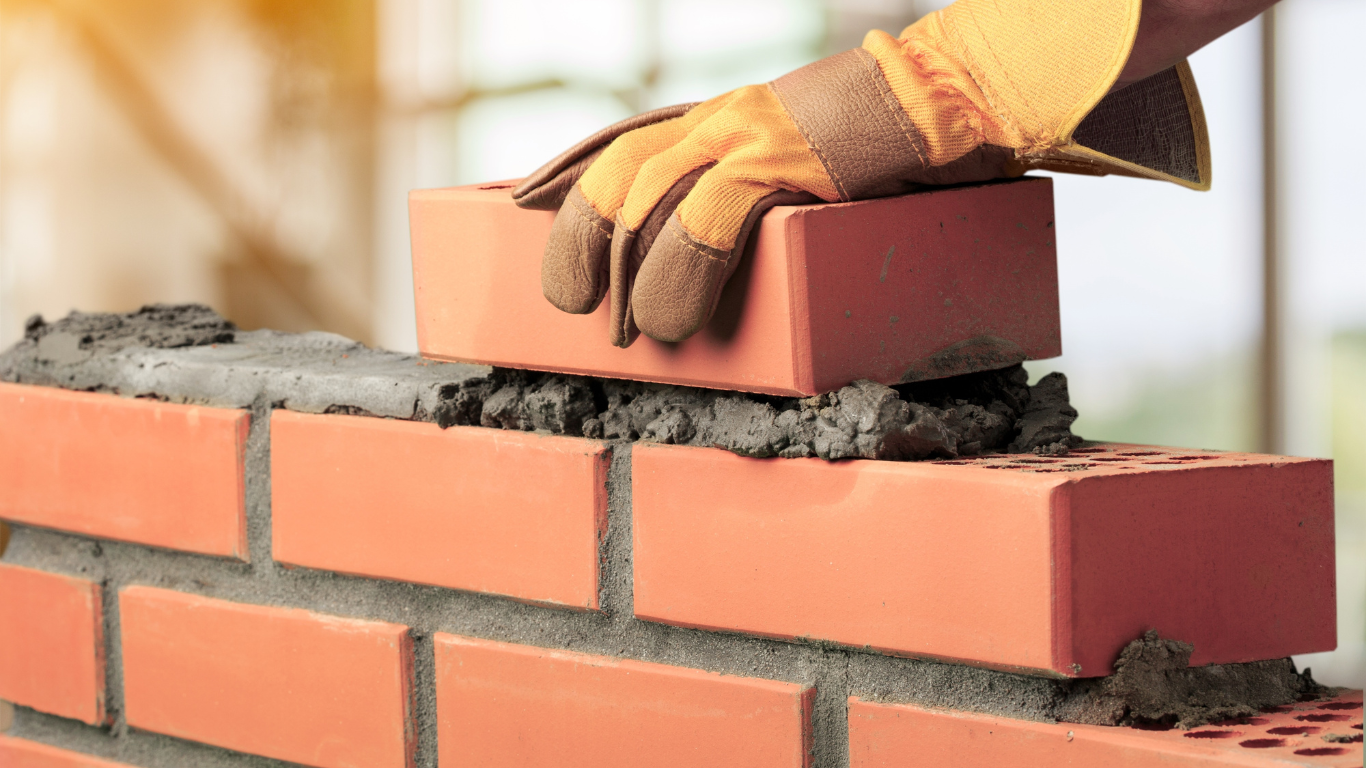
That’s where tuckpointing (or repointing) comes in. It’s the process of removing damaged mortar and replacing it with a fresh, strong mix. I use mortar specifically formulated for Ottawa’s freeze-thaw conditions, ensuring the new joints are both durable and flexible.
4. White Powder on the Surface (Efflorescence)
If you see a white, powdery residue on your brick walls, that’s called efflorescence. It happens when water inside the brick evaporates, leaving behind salts. While it may look like a simple stain, it’s actually a sign that moisture is moving through your masonry — and that’s not something to ignore before winter.
Efflorescence often indicates poor drainage or cracks that allow water infiltration. I address this by sealing problem areas, improving drainage, and applying breathable sealants that let the wall dry naturally while keeping moisture out.
5. Loose or Shifting Bricks
If your bricks are loose, bulging, or shifting, it means the wall’s bonding pattern has been compromised. This can result from moisture buildup, foundation settling, or years of neglect. Left alone through winter, this kind of damage can lead to serious structural issues.
When I repair loose bricks, I reset each one securely, reinforcing the wall’s stability and alignment. It’s a detail-oriented process, but it’s the only way to ensure lasting safety and strength.
6. Interior Leaks or Dampness
Sometimes, the first signs of brick damage don’t appear outside — they show up inside your home. If you notice damp spots, mold, or musty smells near brick walls, the moisture may be seeping in through compromised masonry.
Before the cold weather traps that moisture inside, I can locate and repair these problem areas using specialized sealants, mortar repairs, and drainage improvements. This not only protects your brickwork but also your indoor air quality.
7. Chimney Deterioration
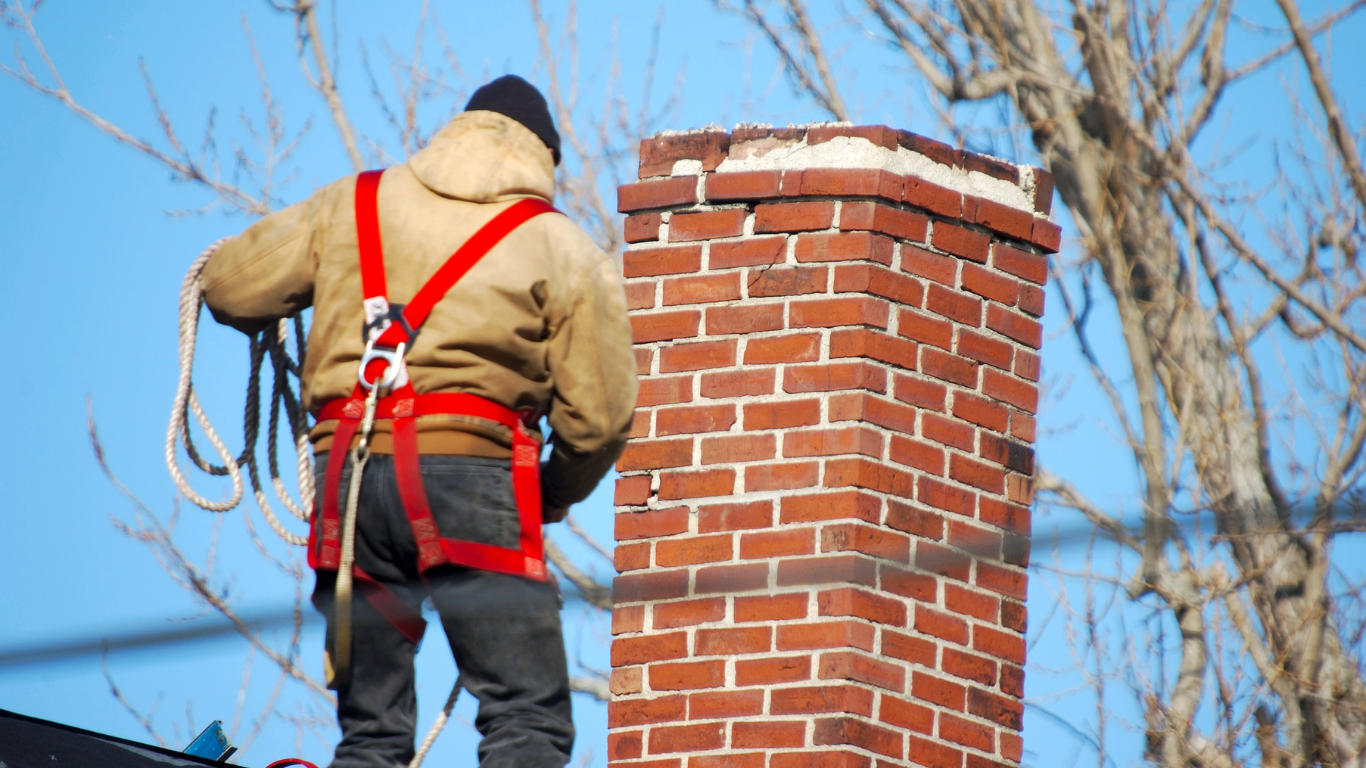
Your chimney faces more weather exposure than any other part of your home. Cracks, missing mortar, or leaning can all be warning signs that chimney repair is needed before the freeze. Ignoring chimney issues can lead to serious safety hazards like smoke leaks or falling bricks.
When I inspect chimneys, I check everything — from the cap and crown to the flashing and mortar joints. A few timely repairs now can prevent a major rebuild later.
Why Winter Makes Masonry Problems Worse
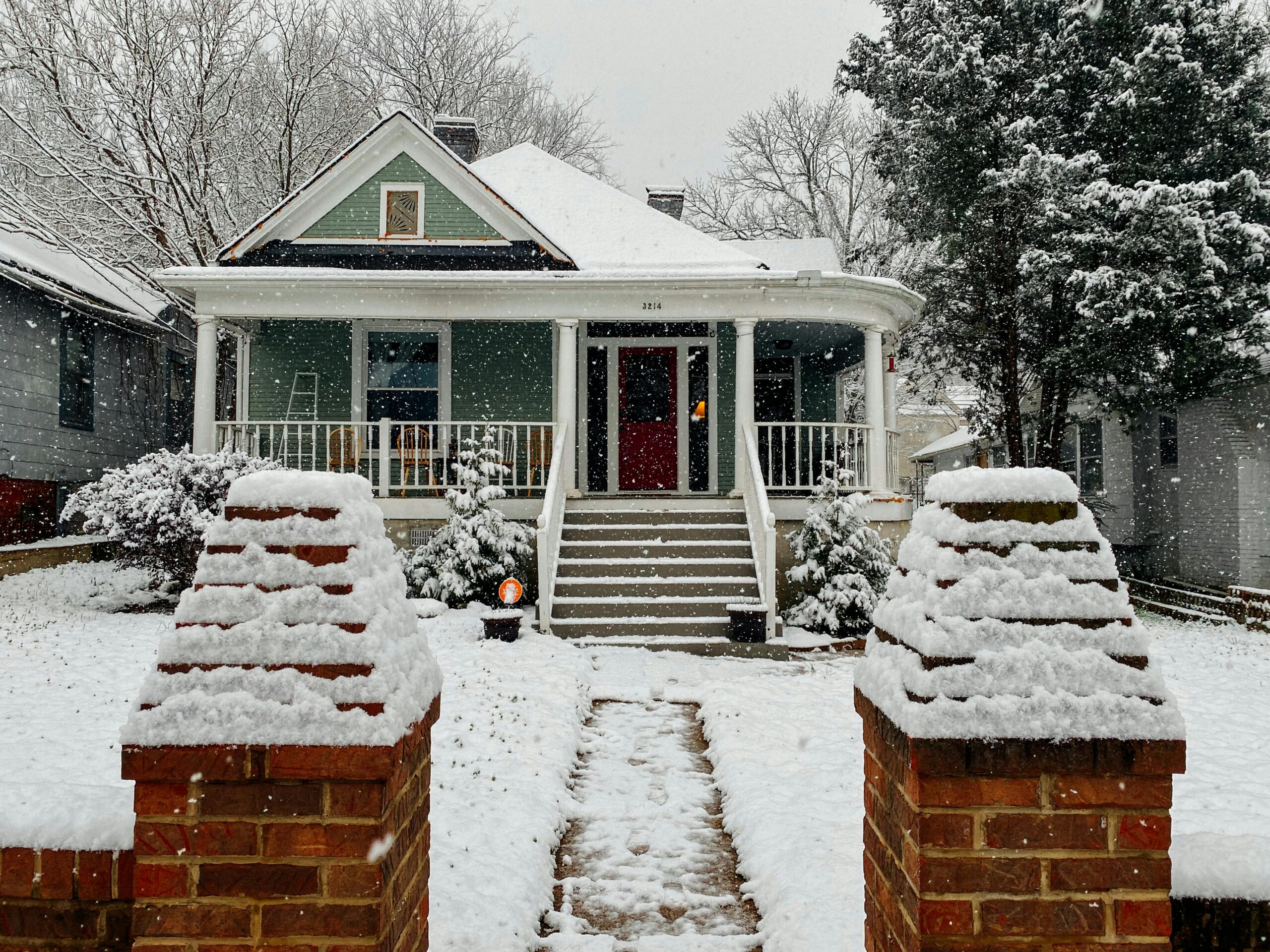
Ottawa’s freeze-thaw cycles are relentless. Any moisture that gets into cracks or porous bricks expands when it freezes, breaking apart the surface from within. Over time, this leads to structural damage, leaks, and even full wall failure.
That’s why fall is the ideal time for brick repair in Ottawa — the weather is cool enough for mortar to cure properly, but warm enough to complete repairs before frost sets in.
My Approach to Brick Repair and Restoration
When I take on a repair project, my goal is always to restore strength and beauty. I carefully match the existing brick type, color, and mortar texture to ensure the repaired sections blend perfectly with the original design.
Every repair I complete is made to last — because I know the cost of cutting corners in this climate. Whether you’re dealing with a damaged chimney, cracked wall, or weathered façade, I make sure the repair is thorough, seamless, and ready to stand up to Ottawa’s winter.
Protect Your Home Before the Snow Falls
If you’ve noticed any of these warning signs, now is the time to act. Once frost sets in, it becomes much harder to complete masonry repairs properly. A proactive approach saves you from bigger problems — and bigger costs — down the road.
At Lesway Masonry, I’m proud to help Ottawa homeowners keep their brickwork strong, safe, and beautiful year-round. Let’s get your masonry ready before winter hits.