
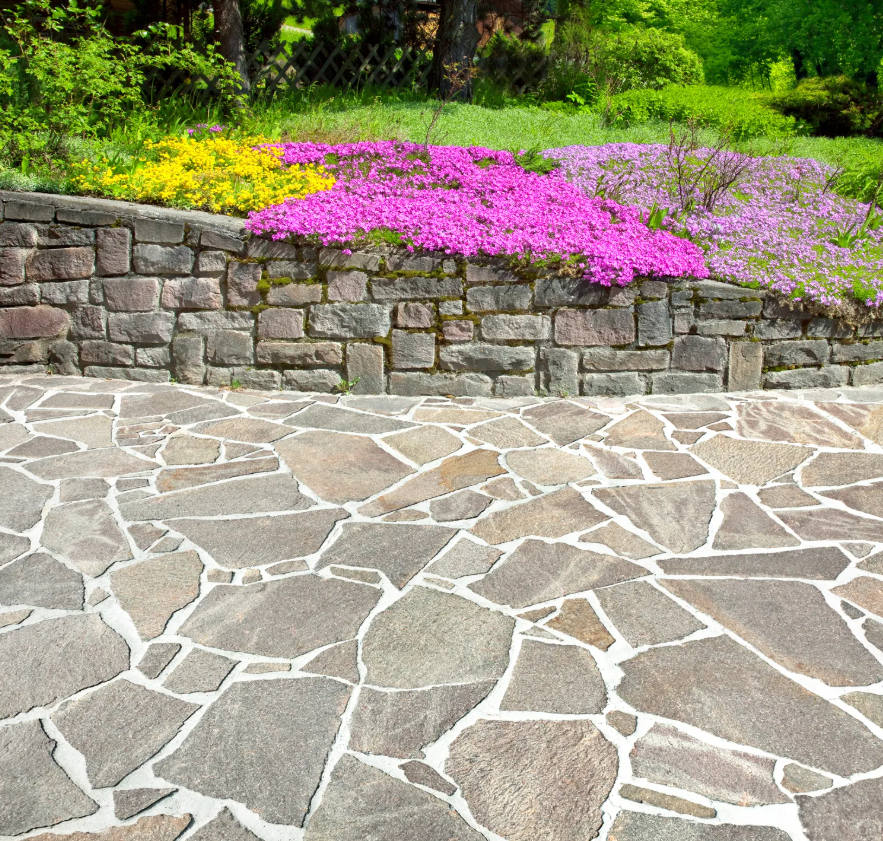
The more I looked around my neighborhood, the more I noticed how many homes were using interlock for driveways, walkways, and patios. At first, I thought it was simply a trend, but after doing some research and seeing how well it held up through Ottawa’s extreme weather, it began to make a lot more sense.
Choosing interlock wasn’t just about improving how my space looked—it was about finding something that could handle everything Ottawa throws at it, from heavy snowfall to sudden temperature swings. Looking back now, it turned out to be one of the smartest upgrades I’ve made to my home.
What First Drew Me to Interlock
Before making any decisions, I spent a lot of time comparing different options. I considered poured concrete, asphalt, and even natural stone. But interlock stood out for a few reasons that aligned with what I wanted.
Here’s what caught my attention right away:
- The ability to customize colours and patterns
- A clean, modern look that still felt timeless
- Options that worked for both walkways and patios
- The flexibility to update or expand later without tearing everything out
I realized interlock didn’t just change the surface—it changed how the space felt, and that mattered to me.
How Ottawa’s Climate Influenced My Decision
If there’s one thing that affects every exterior choice in Ottawa, it’s the weather. I’ve seen concrete crack after just one harsh winter, and asphalt soften in summer heat. Interlock handled those extremes differently.
These climate challenges were a big factor:
- Freeze–thaw cycles that cause shifting and cracking
- Large snow loads that sit for months
- Salt and ice-melt products affecting surfaces
- Heavy spring runoff around foundations
What reassured me is that interlock is made to shift slightly without breaking. Instead of cracking like a solid slab, the surface adapts—which is exactly what’s needed in Ottawa.
Why Drainage Became a Bigger Priority Than I Expected
I didn’t realize how important drainage was until I started noticing water pooling near the foundation after heavy rain. Interlock helped solve that problem without major excavation.
Here’s what made the difference:
- Water drains through small joints instead of collecting on the surface
- The base system beneath the stones helps direct flow
- The surface dries faster after storms
- Snow melt doesn’t leave icy puddles like before
Managing water properly is crucial in Ottawa, especially near the freeze line. Interlock played a big role in controlling moisture around my home.
The Customization Options Won Me Over
One of the most enjoyable parts of the process was realizing how much control I had over the look. I wasn’t limited to a single colour or plain surface.
Choices that made my space feel personal:
- Neutral tones that matched the brick exterior
- Borders and accent lines that added definition
- Different textures for walkways vs seating areas
- Patterns that made the space look larger and more polished
Instead of something standard, the result felt intentional—like it belonged with the rest of the house.
Why Maintenance Has Been Easier Than I Expected
I was originally worried that interlock meant more work, but I’ve found the opposite to be true. Routine care has been surprisingly simple.
My regular maintenance now looks like this:
- Sweeping when needed to remove leaves or grit
- Rinsing the surface in spring
- Adding polymeric sand if joints start to settle
- Keeping the edges clear from soil and mulch buildup
I learned that sealing is optional—not mandatory—and only needs to be done occasionally depending on preference.
How Snow and Ice Management Changed After Installing Interlock
Winter maintenance was one of my biggest concerns. Ottawa winters aren’t gentle, and I didn’t want a surface that became slippery or easily damaged.
What I’ve noticed since switching to interlock:
- Snow shovels glide smoothly without scratching
- The surface doesn’t heave unevenly
- Ice forms less often because water drains better
- Salt doesn’t have the same damaging effect as on concrete
With proper base preparation, the stones stayed level even after repeated freeze–thaw cycles.
The Flexibility Has Already Proven Useful
One of the benefits I didn’t fully appreciate at first was how easy interlock is to adjust or repair. When a small area near the edge settled slightly after the first year, it was simple to fix.
What I liked about this flexibility:
- No need to replace a whole surface
- Individual stones can be lifted and reset
- Future additions can match the original design
- Repairs are fast and don’t leave visible patches
With other materials, even a small issue can turn into a major project.
Why Interlock Added More Than Just Curb Appeal
I originally made the change for visual improvement, but the benefits went beyond appearance.
What improved after installation:
- The outdoor space became more usable year-round
- The home felt more inviting from the street
- The yard layout made more sense with defined walkways
- The overall property value increased based on function and look
It didn’t feel like a cosmetic upgrade—it felt like a long-term improvement.
How I Chose the Right Areas to Upgrade First
Instead of trying to do everything at once, I focused on the areas that made the biggest impact.
My priorities were:
- The front walkway for better accessibility
- The backyard patio to create a sitting area
- The side path to improve drainage and reduce mud
Upgrading in stages made the process easier and more affordable.
Final Thoughts
Looking back, choosing interlock for my Ottawa outdoor space was about more than upgrading the surface—it was about finding something that could stand up to the climate, improve drainage, and enhance how I use my home year-round. The durability, flexibility, and low maintenance made it the right fit, and the visual impact was an added bonus.
Instead of worrying about cracks or surface damage every winter, I now have a space that feels solid, clean, and built for the long term.