
For as long as I’ve lived in Ottawa, winter has always meant the same thing—snowstorms, freezing temperatures, and long evenings spent indoors trying to stay warm. I always loved the idea of using my fireplace to make the house feel cozy, but I never gave much thought to the chimney itself. As long as the fire lit and the smoke disappeared, I assumed everything was fine.
That changed after my first real Ottawa winter as a homeowner. I started noticing things I hadn’t paid attention to before—strange smells after lighting a fire, cold drafts coming from the fireplace, and soot buildup that appeared faster than I expected. None of it felt alarming at first, but it made me realize how important chimney safety really is, especially in a climate where fireplaces get heavy use.
Looking back, paying closer attention wasn’t just about comfort—it was about preventing risks I didn’t even know existed.
The First Signs That Made Me Take Chimney Safety Seriously
At first, the warning signs were subtle. Nothing dramatic happened, but a few small things started raising questions.
These were the changes that caught my attention:
- A faint smoky smell lingering even after the fire was out
- Soot collecting faster than usual inside the firebox
- Cold air dropping down the chimney on windy days
- The damper feeling harder to open and close
- Ash buildup even when I didn’t use the fireplace often
None of these felt like emergencies, but together, they suggested something needed attention.
How Ottawa Winters Increase Chimney Risks
It wasn’t until I looked into it that I realized how much Ottawa’s weather affects chimneys.
Here’s what I learned about winter conditions:
- Freeze–thaw cycles can crack chimney bricks and mortar
- Ice buildup around the cap can block ventilation
- Moisture entering small openings expands during freezing
- Strong winds push cold air down the flue
- Heavy snow sits directly on chimney surfaces for weeks
What surprised me most was that chimney damage often happens outside, long before homeowners notice signs indoors.
Why Creosote Buildup Became a Bigger Concern Than I Expected
Before paying attention to chimney safety, I didn’t know what creosote was—or why it mattered.
I learned that:
- Creosote forms when wood smoke cools too quickly
- It builds up much faster during Ottawa’s cold months
- Restricted airflow increases accumulation
- It becomes more flammable the longer it sits
Realizing that a simple winter fire could create a hazardous buildup was enough to change my approach.
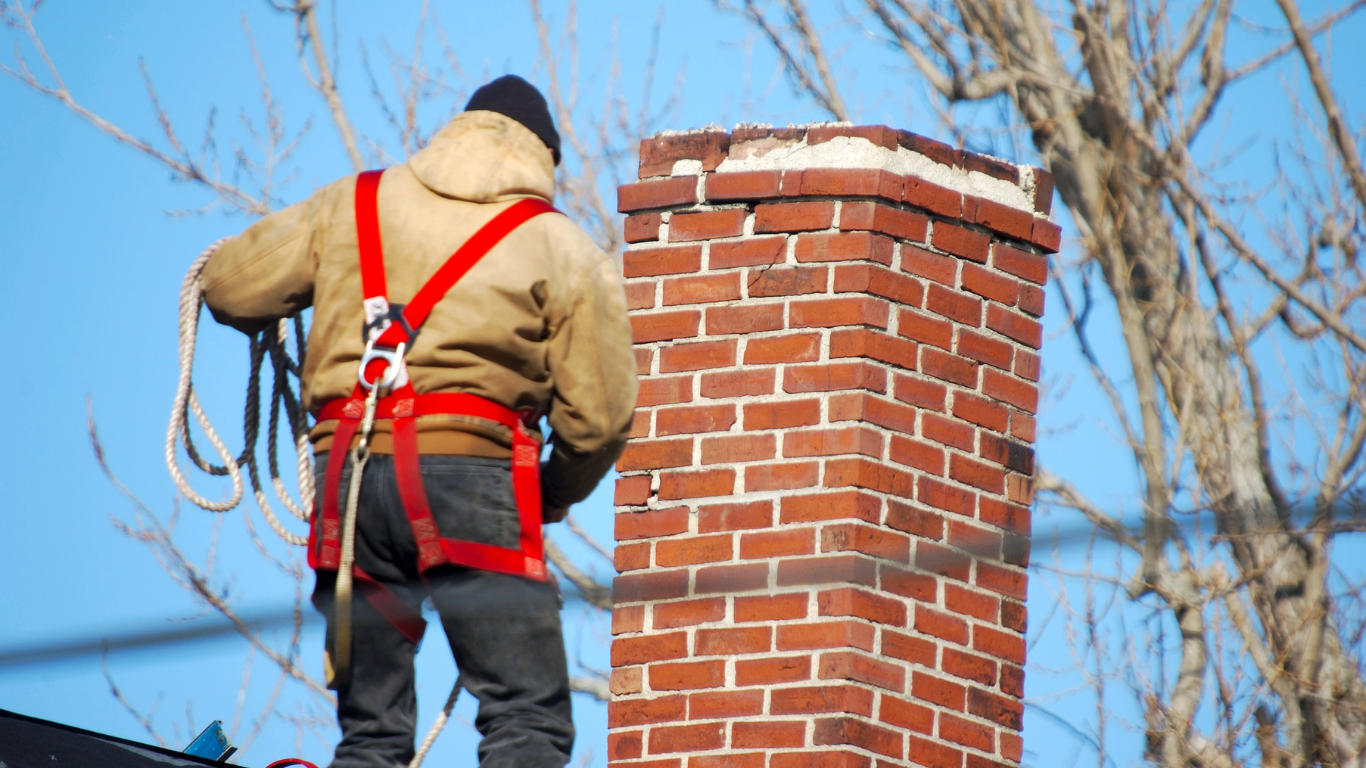
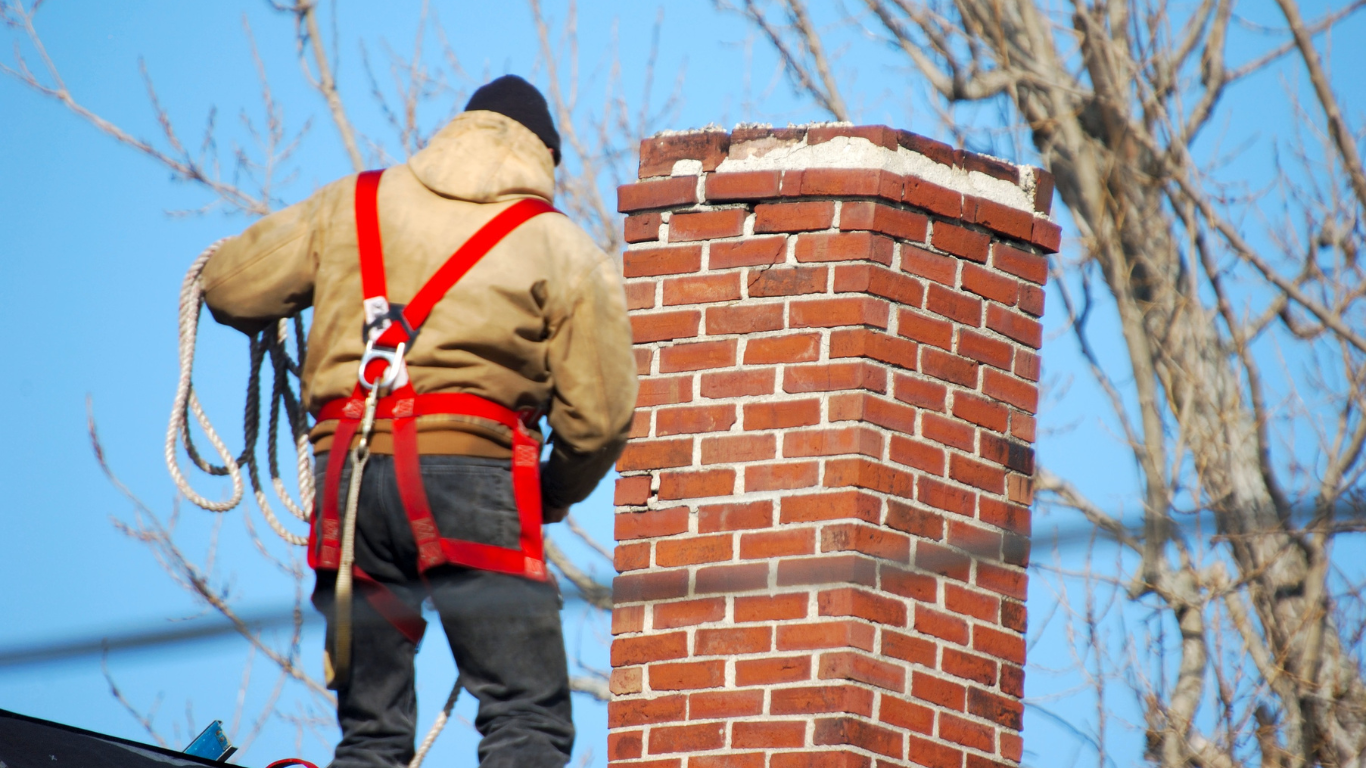
Checking the Exterior Showed Issues I Never Noticed Before
Until I actually inspected the outside of the chimney, I didn’t realize how much had changed.
Here’s what I noticed:
- Mortar joints that looked worn and recessed
- A few small cracks near the top of the chimney stack
- Slight leaning that wasn’t obvious at first glance
- Rust marks around the cap and flashing
- Bricks holding moisture longer than the surrounding wall
The exterior told a very different story from what I saw inside the house.
Moisture Turned Out to Be the Root of Most Problems
Ottawa’s winter moisture plays a huge role in chimney deterioration.
I learned to watch for:
- Water staining on the chimney breast indoors
- Damp patches near the firebox after heavy snow
- Efflorescence forming on exterior brick
- Flaking (spalling) where water had frozen inside the surface
Moisture wasn’t something I could ignore—it was the starting point for larger structural issues.
Why I Started Inspecting the Chimney Before Each Winter
Instead of waiting for problems, I now do a simple check before the heating season starts.
My pre-winter routine includes:
- Making sure the damper opens and closes smoothly
- Checking for nests, debris, or blockages in the flue
- Inspecting mortar and bricks for cracks
- Confirming the chimney cap is secure
- Ensuring no water is entering around flashing
It takes a short amount of time but prevents a long list of issues.
The Difference a Chimney Cap Made
One of the smallest upgrades made one of the biggest differences.
A proper chimney cap helped by:
- Keeping snow and rain from entering the flue
- Preventing animals and debris from blocking airflow
- Reducing downdrafts during windy Ottawa days
- Limiting moisture that freezes inside the chimney
I didn’t realize how essential it was until I had one installed.
How I Manage Chimney Use During Harsh Ottawa Weather
Using a fireplace in Ottawa requires more attention than simply lighting a fire.
What I do differently now:
- Burn only dry, seasoned wood
- Avoid burning paper or materials that produce excess soot
- Keep fires smaller and hotter instead of slow and smoky
- Open the damper fully before ignition
- Let the flue warm gradually to reduce condensation
These small habits slowed creosote buildup and improved airflow.
Why Chimney Maintenance Improved More Than Just Safety
I expected peace of mind—what I didn’t expect were other improvements.
Changes I noticed afterward:
- The fireplace produced more heat with less wood
- Smoke stopped entering the room when lighting a fire
- The house felt less drafty on cold days
- Soot buildup reduced noticeably
- The exterior chimney stopped deteriorating as quickly
It became both safer and more efficient.
Final Thoughts
Paying more attention to chimney safety in Ottawa wasn’t a reaction to a disaster—it was a gradual realization that winter conditions demand extra care. Small signs led me to look closer, and what I learned changed the way I maintain and use my fireplace.
Now, instead of worrying about drafts, smoke, or hidden damage, I go into winter feeling prepared. The chimney works the way it should, the house stays warmer, and I have peace of mind knowing I’m not ignoring something important.