
Residential masonry is built to last, but even the strongest brick, stone, mortar, and foundation surfaces need attention over time. In Ottawa and Barrhaven, homes face constant exposure to freeze thaw cycles, moisture, snow, heat, and natural settling. These conditions slowly wear down masonry and create problems that can range from minor cosmetic damage to more serious structural concerns.
When masonry begins to crack, shift, crumble, or separate, the repair process has to be done carefully. A proper repair is not just about fixing what looks damaged. It is about understanding why the problem developed, restoring the integrity of the structure, and making sure the work holds up through future seasons.
My approach to residential masonry repair is built around durability, clean workmanship, and long term protection. Every project is different, but the repair process follows a clear step by step system designed to restore the masonry correctly and prevent larger issues from developing later.
This guide explains that process from start to finish and shows how residential masonry repair is approached across Ottawa and Barrhaven homes.
Why Residential Masonry Repair Matters
Masonry is one of the most valuable parts of a home’s exterior. It affects appearance, weather protection, structural stability, and long term property value. When masonry starts to fail, the problem rarely stays in one place.
A small crack in a brick wall can allow water to enter. Loose mortar joints can weaken the support between bricks. Damaged parging can expose the foundation to moisture and freeze thaw damage. Chimney deterioration can lead to leaks and safety issues.
That is why residential masonry repair should always be handled with a long term mindset. The goal is not just to cover the issue. The goal is to restore the structure so it continues to perform as it should.
In Ottawa and Barrhaven, where homes experience extreme seasonal changes, good masonry repair is one of the smartest ways to protect a property.
Common Masonry Problems I Repair in Ottawa and Barrhaven
Before getting into the repair process, it helps to understand the most common issues I see in residential masonry.
Cracked or Spalling Bricks
Bricks can crack from moisture, age, settlement, or weather exposure. Spalling happens when the face of the brick flakes or breaks apart due to freeze thaw damage.
Deteriorating Mortar Joints
Mortar naturally weakens over time. Once it begins to crumble or recede, water can enter the wall and accelerate damage.
Foundation Parging Damage
Parging often cracks, peels, or falls away as moisture and temperature changes break down the surface.
Chimney Deterioration
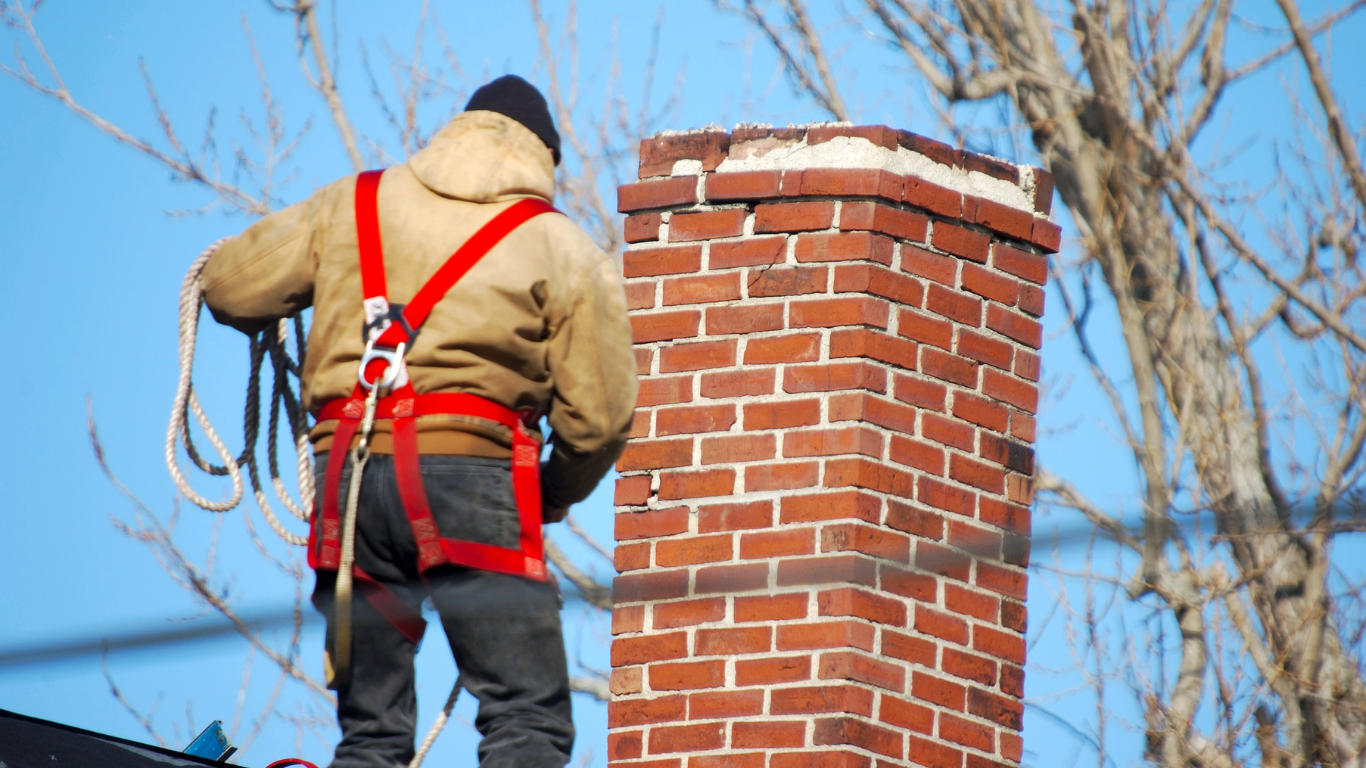
Chimneys are one of the most exposed parts of the home and commonly develop loose mortar, cracked bricks, and structural instability.
Stone Movement or Joint Failure
Stone walls, facades, and entryways can weaken when joints fail or the stone begins shifting from water and seasonal stress.
Brick Step and Entryway Damage
Steps and entry areas often show early damage from foot traffic, salt exposure, settling, and freeze thaw cycles.
Each of these issues requires careful assessment and the right repair method.
Step One: Full Inspection of the Masonry
Every good repair starts with a full inspection.
Before any work begins, I look closely at the visible damage and the surrounding masonry to understand what is happening. This step is essential because the damage you can see is often only part of the problem.
During the inspection, I look for:
- Cracks in brick, stone, or mortar
- Loose or missing mortar joints
- Signs of moisture infiltration
- Spalling or flaking brick surfaces
- Bulging, leaning, or shifting masonry
- Foundation exposure or parging separation
- Drainage or runoff issues nearby
- Chimney wear and roofline vulnerabilities
This first step helps determine whether the problem is isolated or part of a larger masonry issue.
In Ottawa and Barrhaven, the same visible damage can come from very different causes. A crack may be from freeze thaw pressure, settlement, water exposure, or a previous repair that was not done properly. A detailed inspection helps make the right repair plan from the beginning.
Step Two: Identifying the Cause of the Damage
Once the condition of the masonry has been assessed, the next step is identifying the cause.
This matters because masonry that is repaired without solving the underlying issue often fails again.
Common causes include:
- Water entering through open joints or cracks
- Repeated freeze thaw expansion
- Poor drainage around the home
- Settlement or structural movement
- Aging mortar that no longer supports the wall
- Incorrect materials used in past repairs
- Surface wear from salt, snow, and traffic
For example, if bricks are cracking near a downspout, the real issue may be water concentration in that area. If parging is peeling, the problem may be trapped moisture or poor bonding to the wall. If a chimney is deteriorating, the cause may include moisture entering from the crown or flashing.
Repairing masonry properly means treating both the symptom and the cause.
Step Three: Planning the Right Repair Scope
After inspection and diagnosis, the repair scope is planned.
Not every masonry problem needs a full rebuild. Some areas only require repointing or isolated brick replacement. Other projects may involve a more complete restoration if the damage has spread or structural stability is affected.
At this stage, I determine:
- Which areas can be repaired
- Which materials need replacement
- Whether the mortar needs repointing
- Whether the work is cosmetic, protective, or structural
- Whether connected areas should be repaired together
This step keeps the repair focused and practical while still ensuring long term results.
For residential masonry in Ottawa and Barrhaven, planning the scope carefully is important because weather and moisture issues often affect more than one area at a time. A brick wall problem may be tied to the chimney. A parging issue may connect to foundation moisture. A front step repair may involve both brick and mortar stabilization.
Step Four: Removing Damaged or Unstable Material
No lasting repair can be built on weak material.
The next step is removing what has already failed. This may include deteriorated mortar, cracked bricks, loose stone, failing parging, or unstable sections of masonry.
This removal has to be done carefully. The goal is to clear out the damaged material without harming solid surrounding masonry.
Depending on the repair, this may involve:
- Grinding out weakened mortar joints
- Removing cracked or spalling bricks
- Chipping away loose parging
- Taking out unstable stone units
- Cleaning out debris from joints and surfaces
This part of the process prepares the area for a strong bond with the new material and prevents the repair from sitting on top of weakness.
In masonry work, surface patching without proper removal almost always leads to early failure. That is why preparation is such a major part of a durable repair.
Step Five: Matching Materials Properly
One of the most important parts of residential masonry repair is material matching.
This includes matching:
- Brick size
- Brick color and texture
- Stone appearance and thickness
- Mortar type and strength
- Joint style and finish
- Parging texture and color where possible
Good matching matters for both performance and appearance.
From a performance standpoint, the new materials need to work with the existing structure. Mortar that is too hard or too weak can create future problems. Bricks that do not suit Ottawa weather may fail sooner. Stone that does not fit properly can destabilize the repair.
From a visual standpoint, the repair should blend naturally with the home rather than stand out as an obvious patch.
In Ottawa and Barrhaven neighborhoods, homeowners care about curb appeal, and well matched masonry helps preserve the home’s original character.
Step Six: Rebuilding, Repointing, or Restoring the Masonry
Once the area is prepared and the right materials are selected, the repair itself begins.
This stage depends on the type of issue being addressed.
For Brick Repair
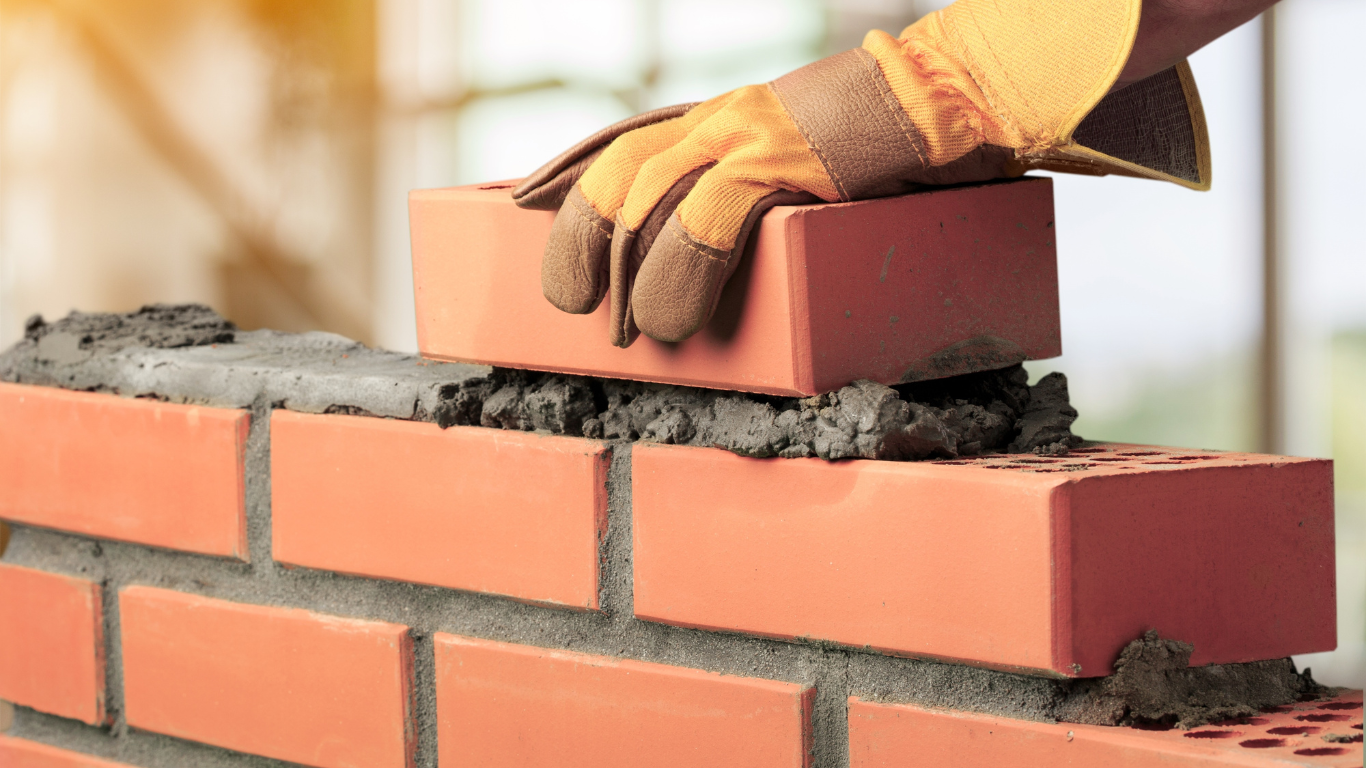
Damaged bricks are replaced, aligned correctly, and secured with the proper mortar. Any surrounding open joints are repointed to restore strength and weather resistance.
For Mortar Repair
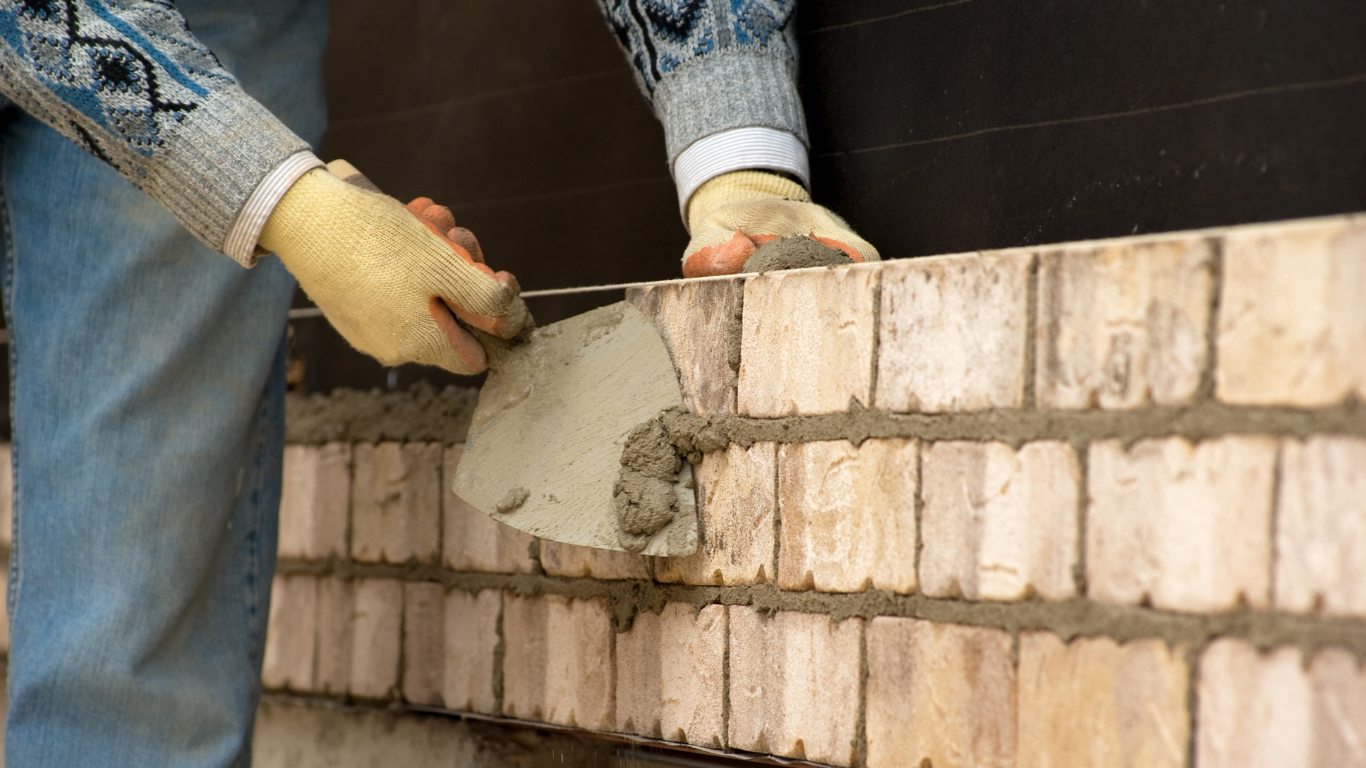
Loose or deteriorated mortar is removed and replaced through repointing. The joints are finished carefully so they shed water properly and match the surrounding masonry.
For Parging Repair
Loose parging is removed, the wall is prepared, and a fresh parging layer is applied with the proper finish and bond.
For Chimney Repair
Weak mortar, cracked bricks, and other failing elements are restored to strengthen the structure and reduce moisture entry.
For Stone Repair
Shifting or damaged stone is reset, repaired, or rebuilt, and the joints are restored to support long term durability.
Every part of this step is completed with attention to alignment, joint consistency, bonding, and overall stability. Masonry repair is not just about replacing material. It is about rebuilding the strength of the system.
Step Seven: Finishing for Strength and Appearance
Once the structural part of the repair is completed, finishing becomes important.
This includes:
- Tooling mortar joints properly
- Smoothing parging finishes
- Ensuring consistent brick and stone alignment
- Cleaning excess material from the repair area
- Making sure the work blends with the surrounding masonry
A strong repair should also look clean and professional.
Finishing is especially important because it affects how the masonry handles water. Mortar joints that are shaped correctly help direct water away instead of letting it sit in the repair area. A clean finish also improves curb appeal and gives the home a well maintained look.
Step Eight: Checking Surrounding Conditions That Could Cause Future Damage
One of the most valuable parts of a proper masonry repair is looking beyond the repair itself.
After the masonry is restored, I also consider what surrounding conditions could lead to the same problem again.
This may include:
- Water runoff from roofs or downspouts
- Ground grading near the foundation
- Areas where moisture collects
- Chimney crown or flashing issues
- Salt exposure near steps and walkways
- Repeated freeze thaw stress points
Masonry lasts longer when the environment around it supports the repair.
In Ottawa and Barrhaven, moisture management is especially important. Even a perfectly completed repair can wear down early if water continues to collect in the same spot season after season.
Step Nine: Making Sure the Repair Supports Long Term Durability
The final step in my masonry repair approach is making sure the work is designed for long term durability, not just immediate improvement.
That means the repair must:
- Restore structural support
- Resist moisture infiltration
- Handle seasonal movement
- Match the home visually
- Protect the surrounding masonry from further damage
Residential masonry is a long term investment. When repaired properly, brick, stone, mortar, and parging can continue performing for many years before additional work is needed.
That is why the focus is always on quality craftsmanship and durable results rather than shortcuts.
Why This Step by Step Approach Matters for Ottawa and Barrhaven Homes
Homes in Ottawa and Barrhaven deal with real environmental stress every year. Winters are hard on masonry. Spring thaw reveals hidden moisture damage. Summer heat expands materials. Over time, even small issues can grow into expensive repairs if they are not addressed correctly.
A step by step repair approach matters because it keeps the work thorough and effective.
It ensures that:
- Problems are diagnosed correctly
- Repairs are built on solid surfaces
- Materials are matched properly
- Work is completed with long term performance in mind
- Homeowners are not left dealing with the same issue again too soon
Whether the project involves brick repair, chimney restoration, parging repair, stonework, or entryway masonry, the process needs to be built around quality from start to finish.
Final Thoughts
Residential masonry repair in Ottawa and Barrhaven is about much more than appearance. It is about protecting the home, restoring structural strength, and ensuring the masonry can continue to handle the demands of the local climate.
My step by step approach begins with inspection, moves through diagnosis and planning, and ends with a repair that is built for long term durability. Every step matters, from removing damaged material to matching the right brick and mortar to finishing the repair properly.
When masonry is repaired the right way, homeowners gain more than just a cleaner exterior. They gain confidence that their brick, stone, chimney, steps, and foundation surfaces are stronger, safer, and better prepared for the seasons ahead.