
Brick homes throughout Greely and Metcalfe are known for their durability, classic appearance, and ability to withstand decades of environmental exposure. Masonry has long been one of the most reliable building materials used in residential construction. However, even strong brick structures require proper care and skilled repairs over time.
Weather conditions in the Ottawa region place constant pressure on brick walls, mortar joints, and masonry foundations. Freeze thaw cycles, moisture exposure, soil movement, and aging materials all contribute to brick deterioration. When these problems appear, repairing them correctly is critical.
Brick repair is not simply about filling cracks or replacing a few bricks. It requires proper masonry techniques that restore the strength, stability, and weather resistance of the entire wall system. Homes in Greely and Metcalfe particularly benefit from careful masonry restoration because of their exposure to rural weather conditions, changing soil conditions, and seasonal temperature swings.
Understanding why proper techniques matter helps homeowners protect the long term integrity of their brick structures.
The Importance of Masonry Integrity in Brick Homes
Brick walls function as part of a structural system designed to protect the home from the elements. Bricks work together with mortar joints to create a solid barrier that resists moisture, wind, and temperature changes.
When a brick wall is in good condition, each component supports the others. Mortar joints absorb slight movements in the structure, while bricks provide strength and durability. If either component begins to fail, the wall can weaken.
Repairing brick walls improperly can cause more harm than good. Incorrect repairs may trap moisture inside the wall, create additional cracking, or accelerate deterioration in surrounding bricks.
Proper masonry techniques ensure that repairs strengthen the structure rather than simply covering visible damage.
Environmental Conditions in Greely and Metcalfe
Greely and Metcalfe are located in areas that experience strong seasonal weather patterns. While these communities are close to Ottawa, their semi rural environments often experience slightly stronger winds, open exposure to snow accumulation, and temperature fluctuations.
These conditions affect masonry in several ways.
Freeze and Thaw Cycles
During the winter months, temperatures frequently shift above and below freezing. Moisture that enters small cracks in brick or mortar expands as it freezes, putting pressure on the surrounding masonry.
Repeated cycles can cause bricks to crack or begin to flake, while mortar joints gradually weaken.
Moisture Exposure
Rain, snow melt, and humidity can saturate brick walls. If the masonry is not properly sealed through strong mortar joints and correct drainage, water can penetrate deep into the wall.
Over time, moisture leads to spalling bricks, crumbling mortar, and structural instability.
Soil Movement
The soil surrounding homes in Greely and Metcalfe can expand and contract depending on moisture levels and seasonal conditions. This movement may cause small shifts in a home’s foundation.
Even slight shifts can create cracks in brick walls or mortar joints that require professional repair.
Common Brick Problems in Greely and Metcalfe Homes
Brick repair projects in these communities often involve several types of masonry damage.
Cracked Bricks
Cracked bricks can develop from structural movement, freeze thaw damage, or impact from heavy weather exposure. Cracks allow moisture to enter the brick and weaken the wall over time.
Spalling Brick Surfaces
Spalling occurs when the outer layer of brick begins to flake or crumble. This is often caused by trapped moisture freezing inside the brick.
Spalling bricks eventually lose their strength and may need to be replaced.
Deteriorating Mortar Joints
Mortar joints can become recessed or crumble as they age. When mortar fails, bricks lose the bonding material that holds them together.
Repointing the joints with fresh mortar restores the stability of the wall.
Water Staining and Efflorescence
White mineral deposits known as efflorescence sometimes appear on brick surfaces. This occurs when water moves through the masonry and carries salts to the surface.
Although it may appear cosmetic, efflorescence often indicates underlying moisture issues.
Shifting or Uneven Brickwork
Structural movement may cause bricks to shift slightly out of alignment. In these cases, repairs must address both the masonry damage and the underlying cause of the movement.
Why Proper Masonry Techniques Matter
Brick repair must be completed using techniques that match the characteristics of the original masonry. Improper repairs can create additional problems that worsen the condition of the wall.
Several factors highlight why skilled masonry work is essential.
Correct Mortar Selection
Mortar must be compatible with the type of brick used in the wall. If the mortar is too strong, it can cause bricks to crack during seasonal expansion and contraction.
If the mortar is too weak, it may deteriorate too quickly.
Proper mortar mixtures allow the masonry to flex slightly while maintaining strength.
Proper Joint Preparation
Before new mortar is applied, deteriorated mortar must be carefully removed from the joints. This process ensures that fresh mortar bonds properly with the existing bricks.
Skipping this step or performing it incorrectly can cause the new mortar to separate from the wall.
Careful Brick Replacement
When bricks must be replaced, they should be matched in size, color, and texture. This preserves the visual consistency of the wall and ensures structural compatibility.
Installing bricks incorrectly can disrupt the alignment of the wall and weaken the surrounding masonry.
Moisture Management
Masonry repairs must consider how water flows across and away from the wall. Proper joint finishing and drainage solutions help prevent moisture from entering the masonry.
Without these protections, water infiltration will continue to damage the brickwork.
The Process of Professional Brick Repair
Repairing brick walls across Greely and Metcalfe homes involves several important steps designed to restore durability.
Inspection and Assessment
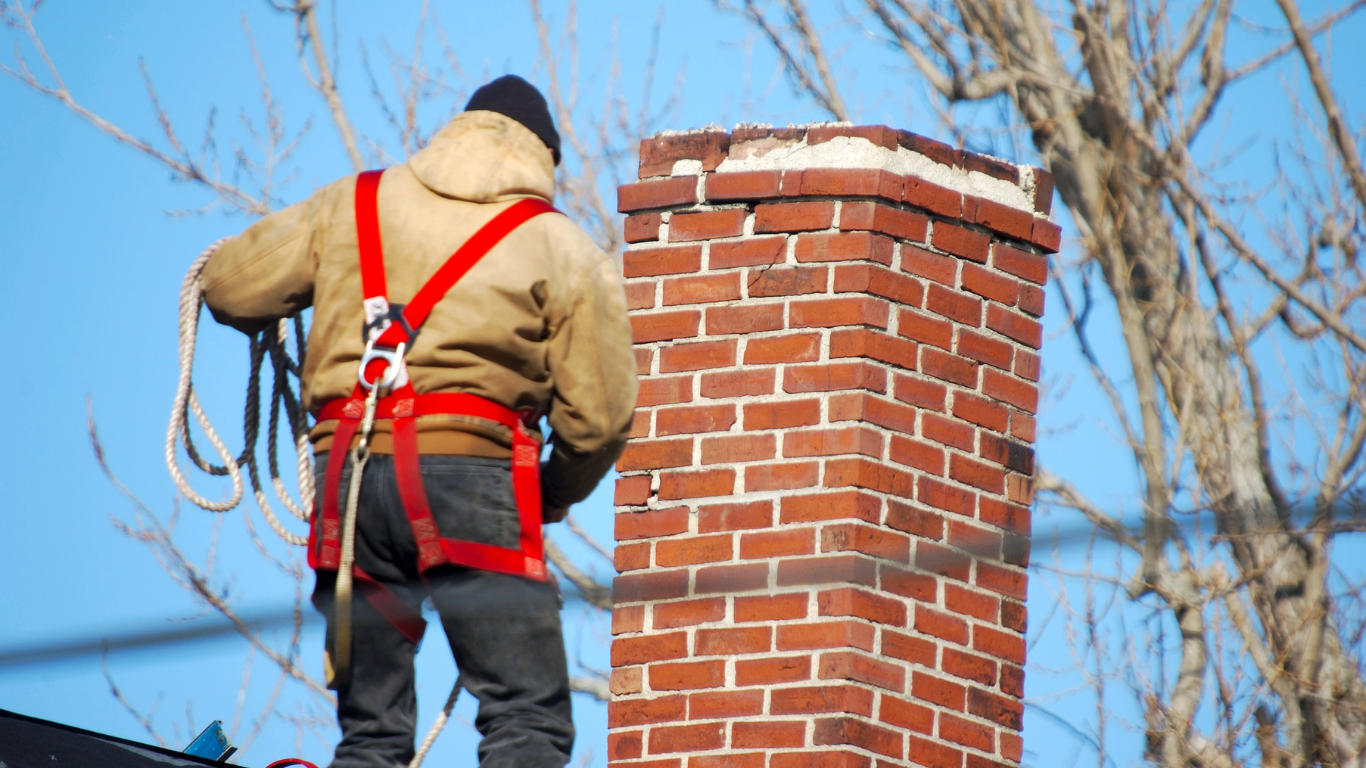
Every repair begins with a detailed evaluation of the masonry. This includes examining cracks, mortar joints, moisture patterns, and signs of structural movement.
Understanding the cause of the damage helps determine the best repair method.
Removing Damaged Materials
Loose mortar and deteriorated bricks must be removed carefully. This prepares the surface for new materials that will bond properly with the wall.
Brick Replacement
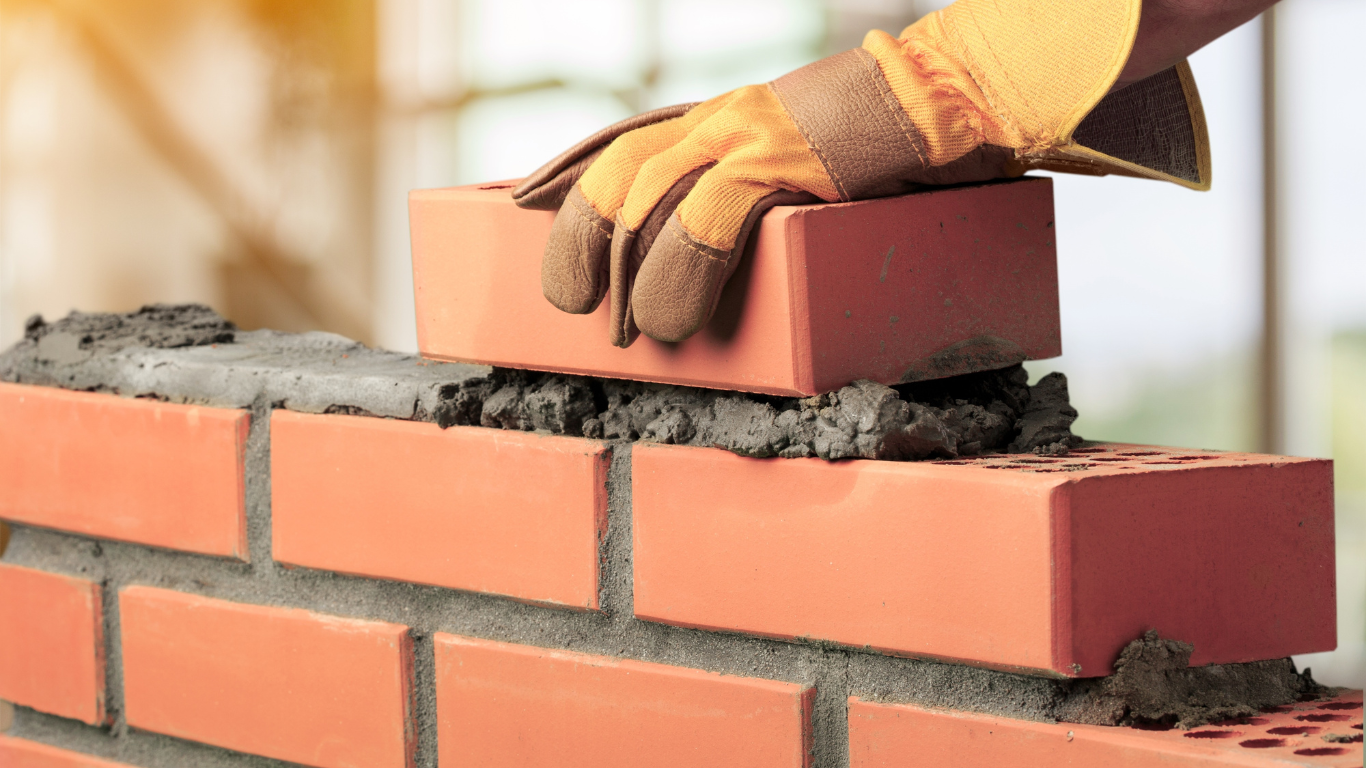
Damaged bricks are replaced with matching materials that integrate with the existing masonry. Each brick is positioned to maintain the alignment and strength of the wall.
Repointing Mortar Joints
Fresh mortar is applied to the cleaned joints to restore the bond between bricks. The joints are shaped carefully to ensure proper water runoff and structural stability.
Final Inspection and Finishing
Once the repair is complete, the masonry is inspected again to ensure the work blends seamlessly with the existing wall and provides lasting protection.
Preventing Future Brick Damage
After repairs are completed, homeowners in Greely and Metcalfe can help maintain their brick walls through regular maintenance.
Keeping gutters and downspouts clear ensures water is directed away from masonry surfaces.
Ensuring proper grading around the home prevents water from pooling near the foundation.
Regularly inspecting brick walls for small cracks or deteriorating mortar allows issues to be addressed before they become larger problems.
Maintaining these elements helps extend the life of the brickwork and reduce the need for future repairs.
The Long Term Value of Skilled Masonry Work
Brick homes offer exceptional longevity when maintained correctly. Skilled masonry repair restores the structural strength of brick walls while preserving their traditional appearance.
Using proper techniques ensures that repairs remain durable through Ottawa’s challenging weather conditions. When brick walls are repaired carefully, they continue to provide protection, insulation, and aesthetic value for many years.
For homeowners in Greely and Metcalfe, investing in professional masonry repair helps safeguard the integrity of their homes and protects one of the most important components of the structure.
Final Thoughts
Brick repair requires more than basic patching or cosmetic improvements. Homes in Greely and Metcalfe face environmental conditions that demand careful masonry techniques designed to handle moisture, temperature changes, and structural movement.
By inspecting the masonry thoroughly, selecting the correct materials, and following proper repair procedures, damaged brick walls can be restored to their original strength and durability.
When brick repair is completed with the right approach, homeowners can maintain the beauty, safety, and longevity of their masonry structures while protecting their property from further deterioration.