
Water damage is one of the most common and costly issues affecting brick homes in Ottawa. While brick may look solid and impenetrable, it is actually a porous material. When mortar joints weaken or small cracks develop, moisture can easily find its way into the masonry system. Over time, this leads to deterioration that affects not only the exterior but also the structure behind it.
In Ottawa, where homes are exposed to heavy snow, freezing temperatures, rain, and humidity, water damage can develop quickly if brickwork is not properly maintained. Preventing this type of damage starts with understanding how moisture enters masonry and how proper brick repair can stop it at the source.
In this blog, I’ll explain how water damage develops in brick structures and how I use proper repair techniques to prevent it long-term.
Why Brick Is Vulnerable to Water Damage
Brick is strong, but it is not waterproof.
Both brick and mortar naturally absorb small amounts of moisture. This is normal and part of how masonry functions. The issue begins when water enters faster than it can escape or when the system that protects the wall begins to fail.
In Ottawa homes, water typically enters through:
- Cracked or deteriorating mortar joints
- Hairline cracks in bricks
- Gaps around windows and doors
- Chimney structures
- Areas exposed to heavy runoff
Once moisture enters, it becomes trapped within the wall. During colder months, that moisture freezes and expands, causing further damage.
The Real Impact of Water Damage in Masonry
Water damage does not stay on the surface. It gradually works its way deeper into the structure.
If left untreated, it can lead to:
- Brick cracking and spalling
- Mortar joint failure
- Interior water leaks
- Mold and moisture buildup
- Structural weakening over time
- Increased repair costs
Many homeowners only notice the issue once visible damage appears, but by then, the problem has often been developing for some time.
That is why preventing water damage is one of the most important aspects of masonry repair.
How Water Enters Brick Walls in Ottawa Homes
Understanding where water enters is key to stopping it.
Deteriorating Mortar Joints
Mortar acts as the first line of defense against moisture. When it begins to crack or recede, it creates openings for water to enter.
This is one of the most common causes of water damage in Ottawa homes.
Cracked or Damaged Bricks
Even small cracks in bricks can allow water to penetrate. Over time, these cracks expand, allowing more moisture into the structure.
Poor Drainage Around the Home
Improper grading or drainage systems can cause water to collect near the base of the home. This increases the amount of moisture absorbed by the brick.
Chimney Exposure
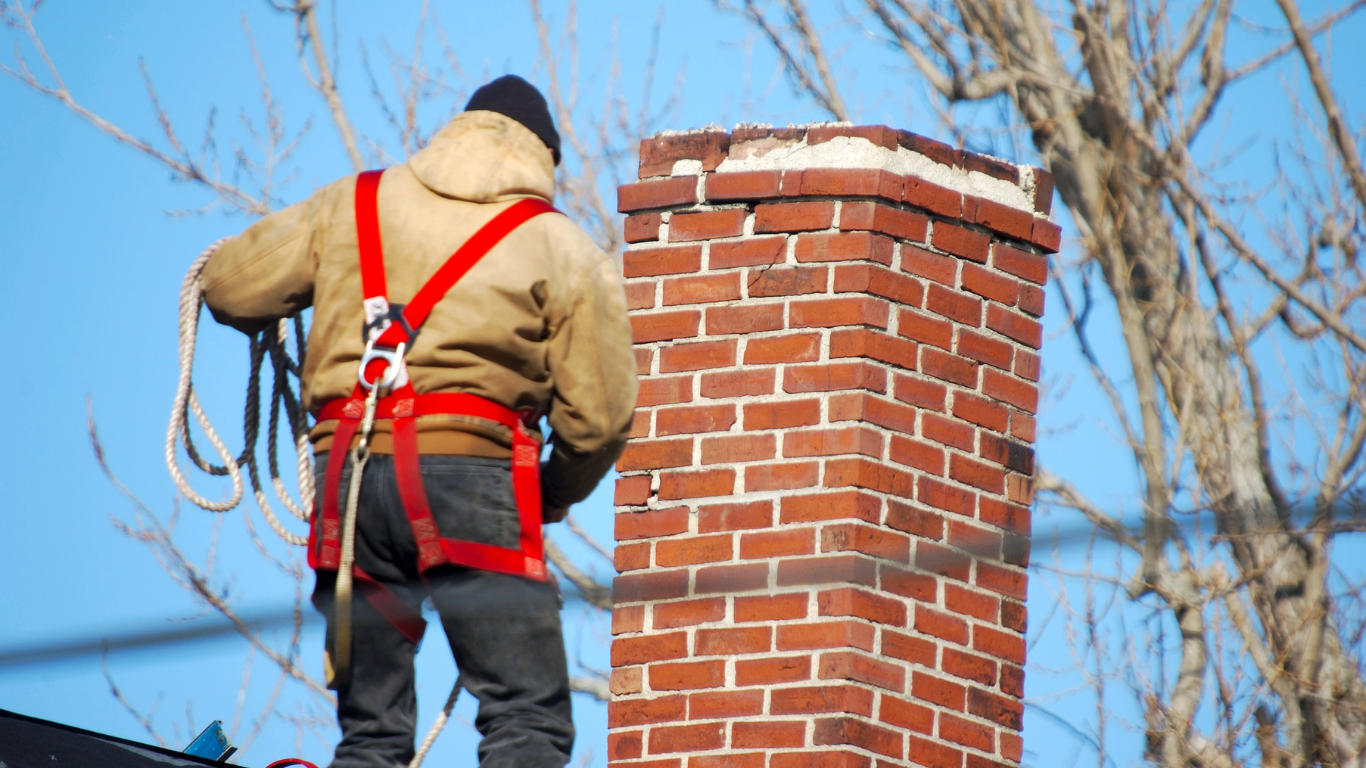
Chimneys are fully exposed to weather and often develop cracks or weak joints that allow water in.
Entryways and High-Traffic Areas
Brick steps and entryways are frequently exposed to water, snow, and salt. This accelerates wear and creates points where moisture can enter.
My Approach to Preventing Water Damage Through Brick Repair
Preventing water damage requires more than sealing cracks. It requires a complete approach that restores the masonry’s ability to resist and manage moisture.
Step One: Full Inspection of the Masonry
Every repair begins with a detailed inspection.
I look for:
- Open or deteriorated mortar joints
- Cracks in brick surfaces
- Signs of spalling
- Moisture staining or efflorescence
- Areas where water collects or runs
- Chimney and roofline vulnerabilities
This step identifies not just where damage is visible, but where water is entering the structure.
Step Two: Identifying the Source of Moisture
Fixing water damage starts with identifying how water is getting in.
This could be caused by:
- Failing mortar joints
- Poor drainage
- Roof runoff issues
- Structural cracks
- Previous improper repairs
Without addressing the source, repairs will not last.
Step Three: Removing Damaged Material
Before any repair, all weakened materials must be removed.
This includes:
- Loose or crumbling mortar
- Cracked or spalling bricks
- Unstable sections of masonry
Removing damaged material ensures that new repairs bond properly and do not trap moisture inside the wall.
Step Four: Repointing Mortar Joints
Repointing is one of the most effective ways to prevent water damage.
This process involves:
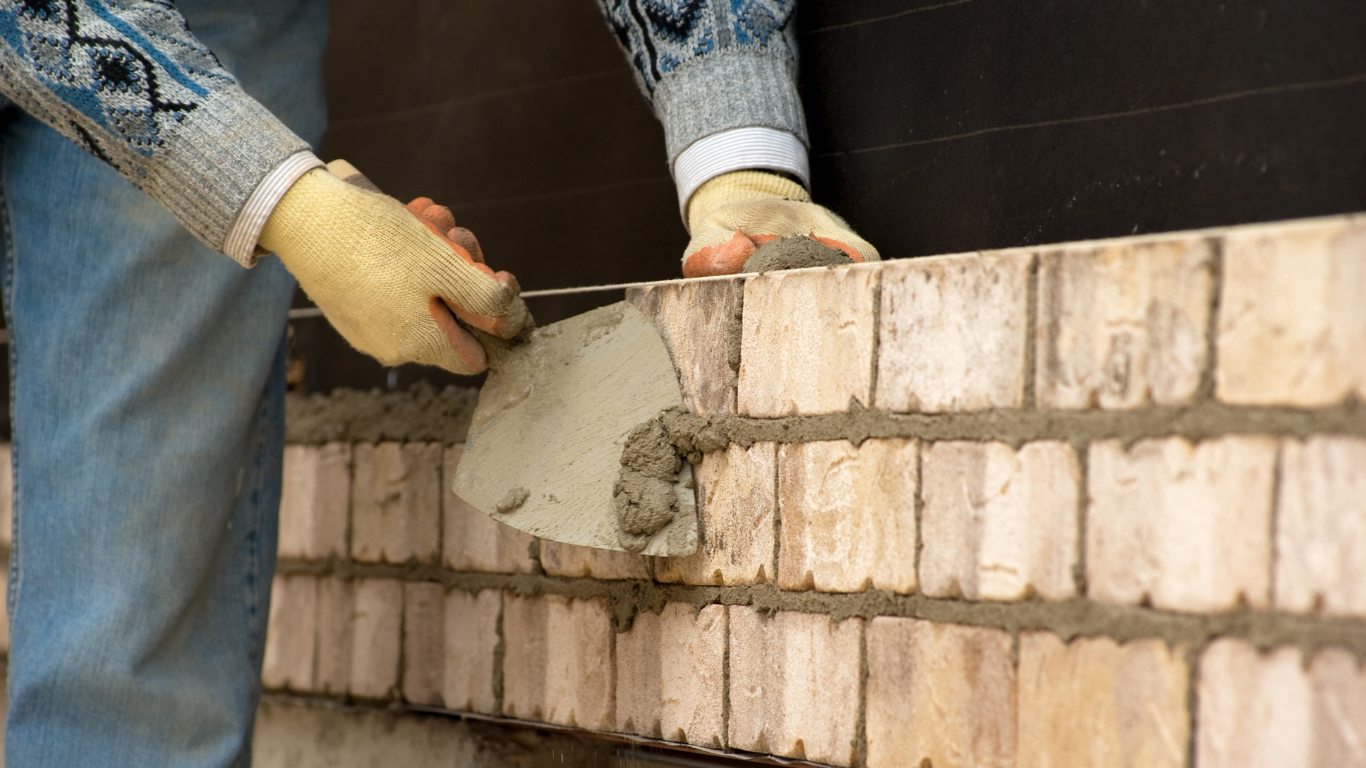
- Removing deteriorated mortar
- Cleaning the joints
- Applying new mortar that seals the wall
- Shaping joints to direct water away
Properly repointed joints restore the wall’s ability to keep water out.
Step Five: Replacing Damaged Bricks
If bricks are cracked or spalling, they must be replaced.
Damaged bricks act as entry points for moisture. Replacing them ensures the wall remains sealed and structurally sound.
Each replacement is carefully matched in size, color, and texture so the repair blends naturally.
Step Six: Ensuring Proper Joint Finishing
Joint finishing plays a major role in moisture control.
When mortar is shaped correctly, it helps water run off the surface instead of collecting in the joints.
This reduces the amount of moisture that can enter the wall over time.
Step Seven: Addressing Drainage and Water Flow
In many cases, brick damage is caused by how water moves around the home.
I evaluate:
- Downspout placement
- Roof runoff patterns
- Ground grading near the foundation
- Areas where water accumulates
Improving these conditions helps reduce the amount of water reaching the masonry.
Step Eight: Strengthening Vulnerable Areas
Certain parts of a home are more exposed to water than others.
These include:
- Chimneys
- Window sills
- Entryways
- Foundation walls
Repairing these areas properly helps prevent recurring moisture issues.
Why Proper Brick Repair Prevents Long-Term Damage
Brick repair done correctly does more than fix visible damage. It restores the entire system’s ability to handle moisture.
A properly repaired wall:
- Prevents water from entering the structure
- Reduces stress from freeze-thaw cycles
- Protects interior spaces from leaks
- Maintains structural strength
- Extends the life of the masonry
In Ottawa’s climate, this level of protection is essential.
Common Mistakes That Lead to Water Damage
Many masonry problems are caused by repairs that were not done properly.
Common mistakes include:
- Surface patching without removing damaged material
- Using incorrect mortar
- Ignoring drainage issues
- Failing to identify the source of moisture
- Poor joint finishing
These mistakes may temporarily improve appearance but often lead to faster deterioration.
Preventative Maintenance for Ottawa Homeowners
After repairs are completed, regular maintenance helps keep masonry in good condition.
Inspect Brickwork Annually
Look for cracks, loose mortar, or signs of moisture.
Maintain Gutters and Downspouts
Ensure water is directed away from the home.
Check High-Exposure Areas
Pay attention to chimneys, entryways, and foundation walls.
Address Small Issues Early
Small repairs prevent larger problems later.
These steps help reduce the risk of future water damage.
Why Ottawa Homes Need Moisture-Focused Masonry Repair
Ottawa’s climate makes moisture control a top priority.
With heavy snow, freezing winters, spring thaw, and seasonal rain, brick structures are constantly exposed to water. Without proper repair and maintenance, this leads to ongoing deterioration.
That is why every masonry repair should be approached with moisture prevention in mind.
Final Thoughts
Water damage is one of the most serious threats to brick homes in Ottawa, but it is also one of the most preventable.
Proper brick repair focuses on identifying where moisture is entering, removing damaged materials, restoring mortar joints, and ensuring the wall can handle water exposure moving forward.
My approach is built around long-term durability. By repairing brickwork correctly and addressing the root causes of moisture, I help ensure that masonry remains strong, stable, and protected through every season.
When brick repair is done right, it does more than fix a problem. It prevents future damage and protects the home for years to come.