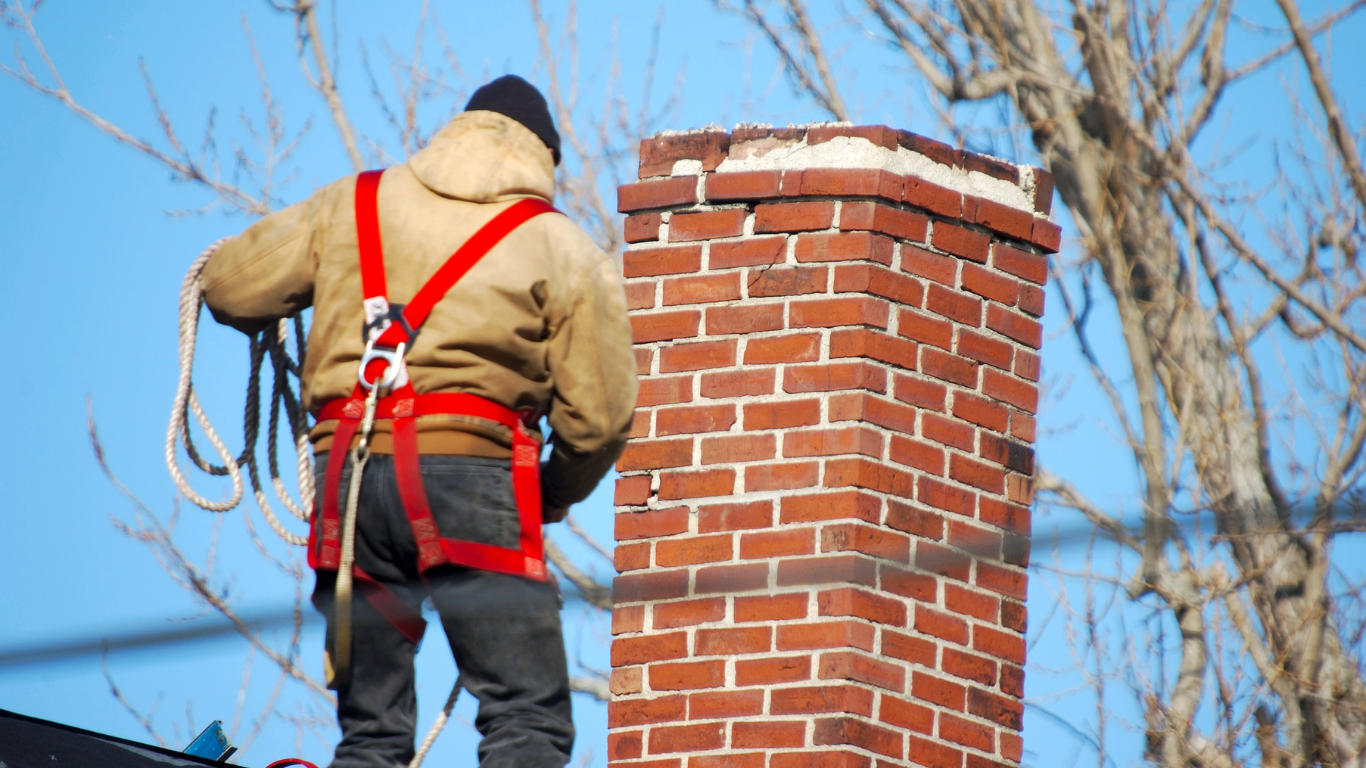

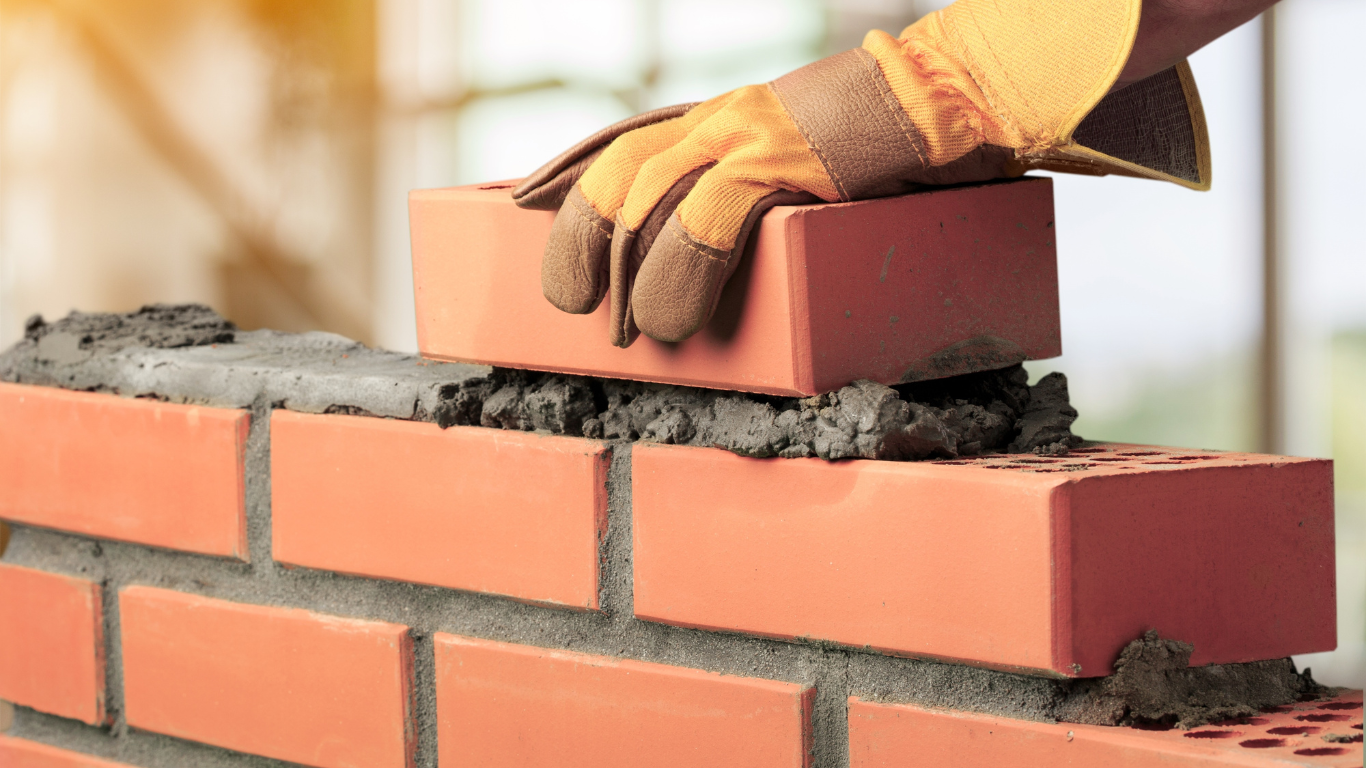
Brick is one of the most durable materials used in residential construction, but even the strongest masonry is not immune to wear over time. In Gloucester, where homes are exposed to harsh winters, moisture, and constant temperature changes, brick damage is a common issue. What often starts as a small crack or minor deterioration can quickly develop into a much larger problem if it is not addressed early.
Delaying brick repair is one of the biggest mistakes homeowners can make. Masonry issues do not stay the same over time. They worsen, spread, and lead to more costly repairs the longer they are left untreated. Understanding why timely brick repair matters can help homeowners protect their property and avoid unnecessary damage.
In this blog, I’ll explain why brick repair should never be delayed in Gloucester homes, what risks come with waiting, and how proper repairs restore long-term durability.
How Brick Damage Starts
Brick damage rarely appears suddenly. It usually begins with small, subtle signs that can easily be overlooked.
Common early issues include:
- Hairline cracks in bricks or mortar
- Slightly recessed or crumbling mortar joints
- Minor surface flaking on bricks
- Small gaps forming between bricks
At this stage, the damage is often localized and relatively easy to repair. However, in Gloucester’s climate, even small issues are exposed to constant environmental stress.
Without repair, these small imperfections become entry points for moisture and structural pressure.
The Role of Moisture in Brick Deterioration
Moisture is the leading cause of masonry damage.
When brick or mortar is compromised, water begins to enter the wall system. In Gloucester homes, this is especially problematic because of freeze-thaw cycles during the winter.
Here’s how the damage progresses:
- Water enters small cracks or weakened joints
- Temperatures drop and the water freezes
- Ice expands inside the masonry
- Pressure builds and cracks widen
- More moisture enters and the cycle repeats
Over time, this leads to:
- Larger cracks
- Spalling brick surfaces
- Loose or shifting bricks
- Structural weakening
This process can accelerate quickly, especially during winter months.
Why Delaying Brick Repair Makes Problems Worse
When brick repair is delayed, the damage does not stay contained. It spreads and affects surrounding areas of the masonry.
Here’s what typically happens when repairs are postponed.
Small Cracks Become Structural Issues
A minor crack may seem harmless, but it often indicates stress within the wall.
If left untreated, that crack can expand and lead to:
- Multiple cracks forming nearby
- Brick displacement
- Increased pressure on surrounding masonry
What could have been a simple repair becomes more complex.
Mortar Deterioration Accelerates
Mortar is designed to hold bricks together and protect the wall from moisture.
Once mortar begins to fail, it allows water to enter deeper into the structure. Over time, this causes more joints to weaken and crumble.
Delaying repointing can lead to large sections of the wall requiring repair instead of just small areas.
Brick Spalling Becomes More Severe
Spalling occurs when the face of the brick begins to break down.
At first, this may look like minor surface wear. But once moisture is trapped inside the brick, it continues to deteriorate.
Eventually, bricks may:
- Lose their outer layer
- Crack completely
- Become structurally unstable
Replacing a few bricks early is much easier than dealing with widespread brick failure later.
Moisture Penetration Reaches Interior Spaces
As brick damage progresses, water can move deeper into the wall system.
This can lead to:
- Interior water damage
- Mold or moisture buildup
- Damage to insulation or drywall
- Reduced energy efficiency
At this point, the issue is no longer just exterior masonry. It begins to affect the inside of the home.
Repair Costs Increase Significantly
One of the biggest consequences of delaying brick repair is the increase in cost.
Early repairs often involve:
- Repointing small sections
- Replacing a few bricks
- Sealing minor cracks
Delayed repairs may require:
- Large-scale brick replacement
- Structural reinforcement
- Extensive repointing
- Moisture damage restoration
Addressing the issue early is always more cost-effective.
Common Causes of Brick Damage in Gloucester Homes
Understanding what causes brick damage helps explain why it should be repaired quickly.
In Gloucester, the most common causes include:
Freeze-Thaw Cycles
Repeated freezing and thawing places pressure on masonry materials.
Water Runoff and Drainage Issues
Improper drainage allows water to collect near brick surfaces.
Aging Materials
Over time, mortar and brick naturally wear down.
Structural Movement
Settlement and soil changes can create stress in brick walls.
Exposure to Salt and Snow
De-icing salts used in winter can contribute to surface deterioration.
Each of these factors contributes to ongoing wear, making early repair essential.
How I Approach Brick Repair for Long-Term Durability
When repairing brickwork, the focus is always on solving the problem completely, not just covering it.
Here’s how I approach repairs in Gloucester homes.
Step One: Full Inspection
Every repair begins with a detailed inspection of the affected area and surrounding masonry.
This helps identify:
- The extent of the damage
- The cause of the issue
- Areas that may be at risk
Understanding the full condition of the wall ensures the repair is done correctly.
Step Two: Addressing the Root Cause
Before repairing the visible damage, the underlying cause must be addressed.
This may involve:
- Identifying moisture entry points
- Evaluating drainage conditions
- Checking for structural movement
Fixing the cause prevents the problem from returning.
Step Three: Removing Damaged Materials
All deteriorated materials must be removed before repair begins.
This includes:
- Loose or crumbling mortar
- Cracked or spalling bricks
- Unstable sections of masonry
This step ensures that the new materials bond properly and create a strong repair.
Step Four: Rebuilding and Repointing
Depending on the condition of the wall, repairs may include:
- Replacing damaged bricks
- Repointing mortar joints
- Restoring alignment and stability
Each repair is completed with materials that match the existing masonry and perform well in Ottawa’s climate.
Step Five: Finishing and Protection
The final step involves finishing the repair so it blends with the surrounding masonry and performs properly.
This includes:
- Proper joint shaping for water runoff
- Clean alignment of brickwork
- Ensuring durability against weather exposure
A well-finished repair improves both strength and appearance.
The Importance of Acting Early
The biggest advantage homeowners have when it comes to masonry repair is timing.
Addressing brick damage early allows for:
- Smaller, more targeted repairs
- Lower overall costs
- Reduced risk of structural issues
- Better long-term performance
In Gloucester, where weather conditions can quickly worsen masonry problems, early action is especially important.
Protecting Your Home With Proper Brick Repair
Brick is designed to last, but it requires proper maintenance and timely repair.
Delaying repairs allows small issues to grow into larger problems that affect both the structure and the interior of the home.
By repairing cracks, restoring mortar joints, and addressing moisture issues early, homeowners can protect their investment and extend the life of their masonry.
Final Thoughts
Brick damage in Gloucester homes is common, but it should never be ignored. What begins as a minor issue can quickly escalate due to moisture, freeze-thaw cycles, and structural stress.
Timely brick repair helps prevent further deterioration, reduces long-term costs, and ensures the masonry continues to perform as it should.
When repairs are completed properly, brick walls regain their strength, stability, and resistance to Ottawa’s demanding climate. Acting early is the key to maintaining durable and long-lasting masonry for years to come.