
Brick walls are built for strength and longevity, but across Barrhaven, it’s very common for homeowners to notice cracks forming over time. These cracks can start small and seem harmless, but they are often early warning signs of deeper masonry issues. In Ottawa’s climate, especially in growing areas like Barrhaven, brick cracking is usually tied to a combination of environmental stress, moisture, and structural movement.
Understanding what causes brick walls to crack is the first step. Fixing it properly is what ensures the problem does not return. In this blog, I’ll break down the real causes behind brick cracking in Barrhaven homes and walk through exactly how I repair it for long-term durability.
Why Brick Walls Crack in Barrhaven Homes
Barrhaven is a newer and rapidly growing area, which means many homes are still settling. At the same time, Ottawa’s climate adds another layer of stress to masonry. Brick cracking is rarely caused by just one issue. It is usually the result of multiple factors working together over time.
Foundation Settlement and Structural Movement
One of the most common causes of brick cracking in Barrhaven is foundation movement.
As homes settle, especially in newer developments, the soil beneath the structure shifts slightly. This can cause stress to transfer into the brick walls. When that stress builds, cracks begin to form.
You’ll often see:
- Stair-step cracks along mortar joints
- Vertical cracks near corners or windows
- Slight shifting in brick alignment
These types of cracks are usually not random. They follow the structure of the wall and reflect how the home is moving.
Fixing this properly means understanding whether the movement has stabilized and then restoring the masonry in a way that allows for long-term durability.
Freeze-Thaw Cycles and Moisture Expansion
Barrhaven homes go through harsh winters, and freeze-thaw cycles are one of the biggest causes of masonry damage.
Here’s what happens:
- Water enters small cracks or mortar joints
- Temperatures drop below freezing
- Water expands as it turns to ice
- Pressure builds inside the brick
- Cracks widen over time
This cycle repeats all winter, and even small cracks can quickly become larger structural issues.
In many cases, what starts as a minor crack turns into spalling brick or loose masonry after a few seasons.
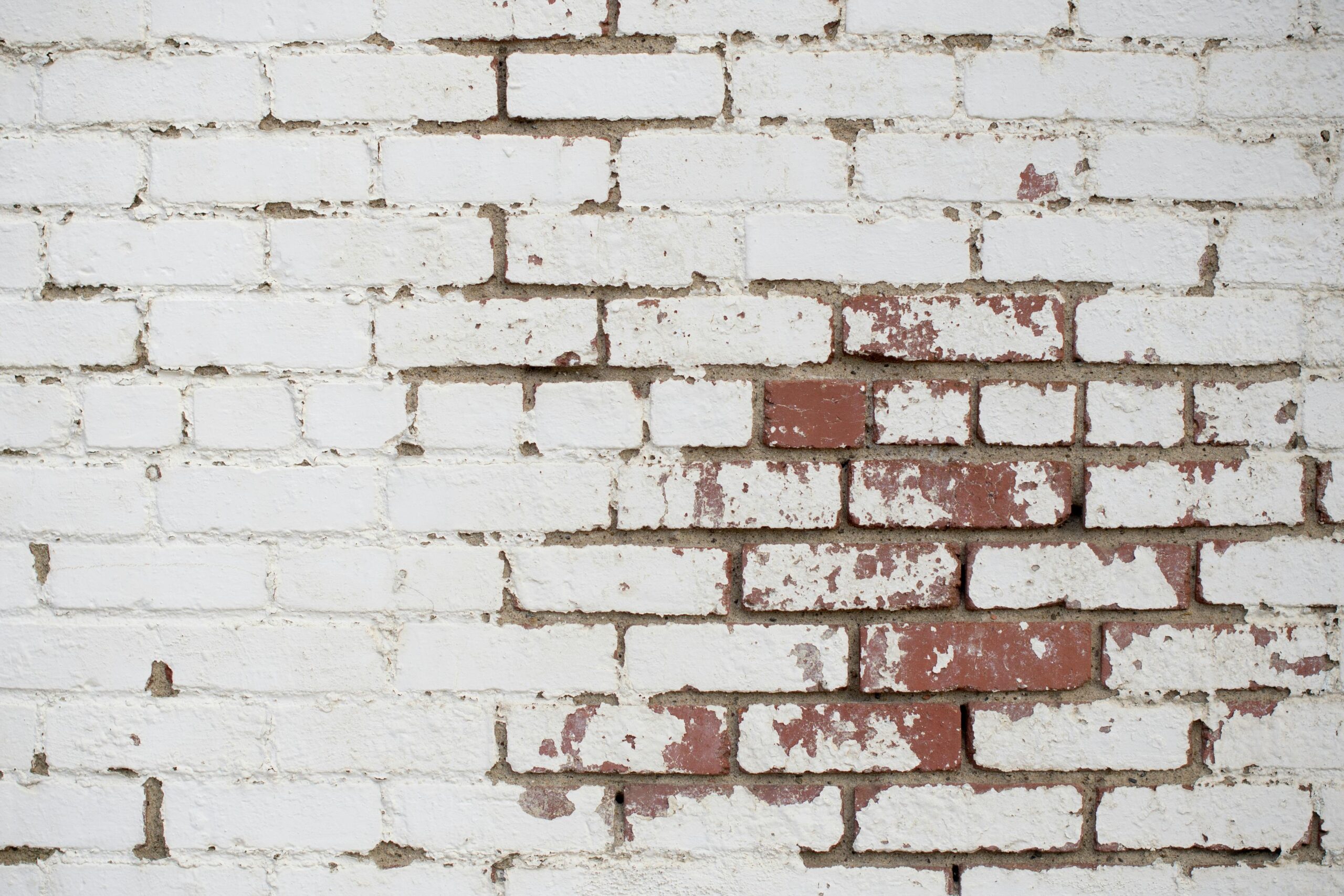
Deteriorating Mortar Joints
Mortar plays a critical role in holding brickwork together. Over time, it begins to break down due to:
- Weather exposure
- Moisture infiltration
- Aging materials
When mortar weakens, bricks lose their support. This allows movement and stress to shift directly into the brick itself, causing cracks.
In Barrhaven homes, I often see brick cracking that is actually caused by failing mortar rather than the brick being the original issue.
That’s why repointing is often part of the repair process.
Water Exposure and Poor Drainage
Water is one of the biggest enemies of masonry.
Improper drainage around the home can lead to repeated saturation of brick walls. This often happens near:
- Downspouts
- Roof edges
- Window sills
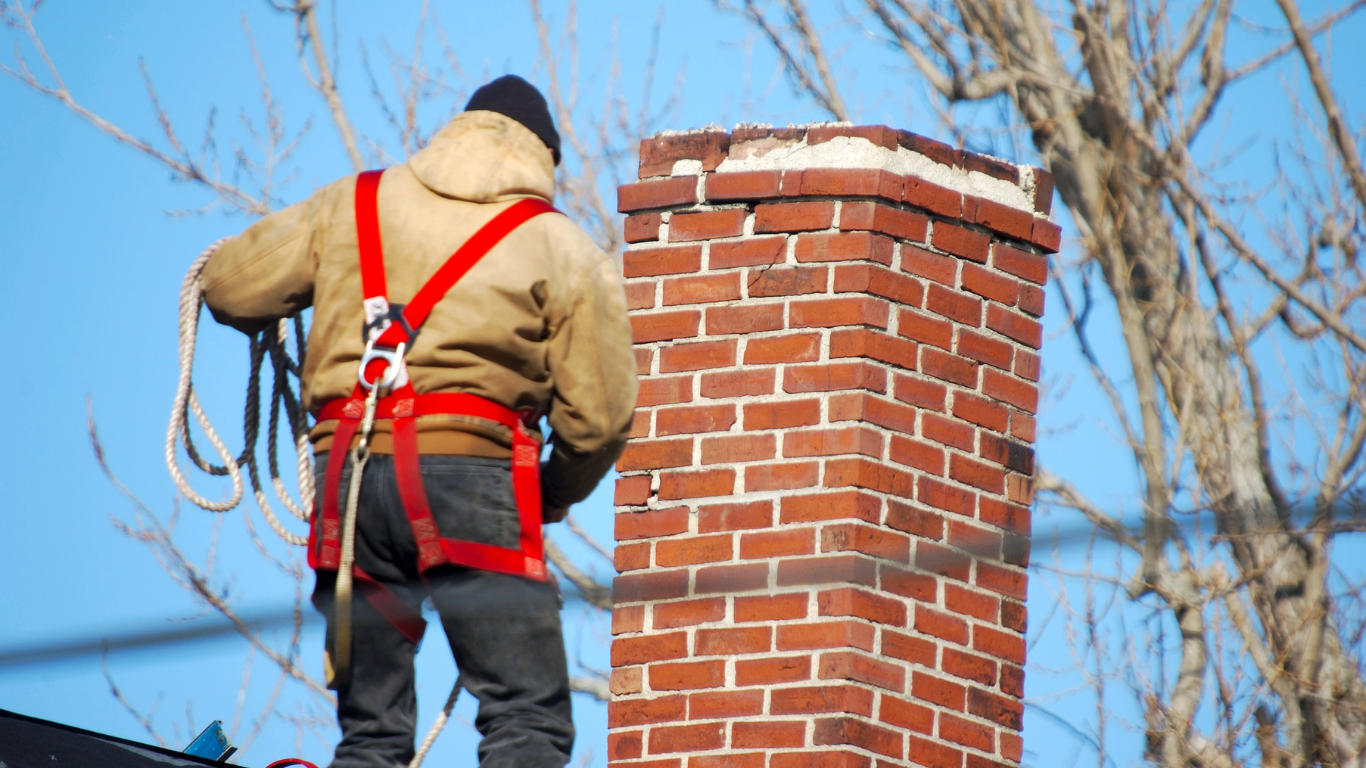
- Chimneys
- Entryways
If water consistently hits the same area, it increases the chances of cracking and long-term deterioration.
In Barrhaven, where many homes have newer landscaping and grading, improper water flow is a common contributor to brick damage.
Temperature Expansion and Contraction
Brick expands in heat and contracts in cold. Over time, this constant movement can create stress within the wall system.
If expansion joints are not functioning properly or if the masonry cannot move naturally, cracks begin to form.
This type of cracking is often seen in long brick walls or areas exposed to direct sunlight.
Previous Poor Repairs
In some cases, brick walls crack because of past repair work that was not done correctly.
Common issues include:
- Using mortar that is too strong
- Surface patching instead of proper repair
- Poor bonding between old and new material
- Ignoring the root cause of the problem
These types of repairs may look fine initially but often fail quickly and lead to more cracking.
How I Fix Brick Wall Cracks the Right Way
Fixing brick cracks properly requires more than filling the gap. The goal is to restore the strength of the wall and prevent the issue from returning.
Here’s my step-by-step approach.
Step One: Full Masonry Inspection
Every repair starts with a detailed inspection.
I don’t just look at the crack itself. I examine:
- The pattern of the crack
- Surrounding brick condition
- Mortar joint strength
- Signs of moisture infiltration
- Structural alignment
- Nearby drainage issues
This step helps determine whether the crack is cosmetic or structural.
Understanding the cause is what allows me to fix it properly.
Step Two: Identifying the Root Cause
Once the inspection is complete, I determine what caused the crack.
This could be:
- Settlement
- Moisture penetration
- Freeze-thaw stress
- Failing mortar
- Water runoff issues
If the cause is not addressed, the crack will come back.
This is where many quick fixes fail. They repair the surface but ignore the underlying issue.
Step Three: Removing Damaged Material
Before repairing, any weakened material must be removed.
This includes:
- Loose mortar
- Cracked or spalling bricks
- Unstable sections of masonry
This step ensures that the repair is built on a solid base.
Trying to patch over weak material will not hold long-term.
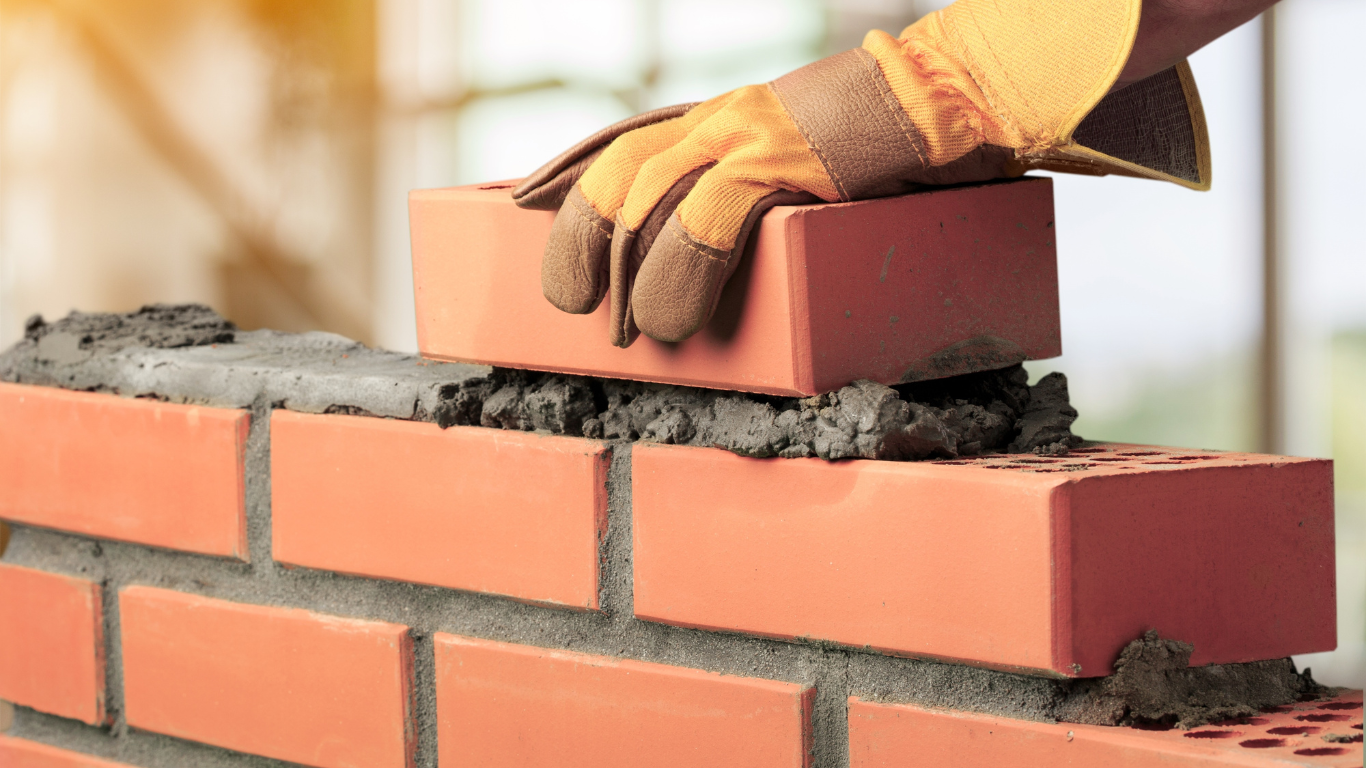
Step Four: Replacing or Repairing Bricks
If the brick is structurally damaged, it needs to be replaced.
I carefully remove and replace bricks while matching:
- Size
- Color
- Texture
- Strength rating
This ensures the repair blends naturally and performs properly.
If the brick is still solid, repair may focus more on the mortar joints.
Step Five: Repointing Mortar Joints
In many cases, repointing is the key to fixing brick cracks.
This involves:
- Removing deteriorated mortar
- Cleaning the joints
- Applying new mortar that matches the original
- Shaping joints for proper water runoff
Repointing restores the bond between bricks and strengthens the wall as a whole.
Step Six: Ensuring Proper Moisture Control
If water contributed to the problem, it must be addressed.
This may involve:
- Adjusting drainage around the home
- Identifying runoff issues
- Repairing vulnerable areas near chimneys or windows
- Ensuring the wall sheds water properly
Without moisture control, even the best repair can fail over time.
Step Seven: Finishing for Durability and Appearance
The final step is ensuring the repair is clean, consistent, and built to last.
This includes:
- Proper joint finishing
- Smooth integration with existing brickwork
- Consistent alignment
- Clean overall appearance
A high-quality repair should look natural and perform well under Ottawa conditions.
Why Early Repair Matters
Many homeowners wait until cracks become large before addressing them.
But in Barrhaven, early repair is critical.
Small cracks can quickly lead to:
- Water infiltration
- Brick spalling
- Mortar failure
- Larger structural repairs
Fixing the issue early keeps the repair smaller, more affordable, and more effective.
Brick Repair That Holds Up in Barrhaven
Brick walls are meant to last, but they need proper maintenance and repair when problems appear.
In Barrhaven, the combination of settlement, moisture, and weather makes brick cracking a common issue. The key is not just fixing the crack, but restoring the entire system so it performs properly long-term.
My approach focuses on:
- Finding the real cause
- Using the right materials
- Restoring structural strength
- Preventing future damage
When brick repair is done correctly, the wall becomes stronger, more stable, and better prepared for the seasons ahead.
Final Thoughts
Cracked brick walls are not something to ignore, but they are absolutely fixable when handled the right way.
In Barrhaven homes, these issues are often part of natural wear and environmental stress. What matters most is how the repair is approached.
By inspecting thoroughly, addressing the cause, and restoring the masonry properly, brick walls can continue to perform for decades.
A well-executed repair is not just about fixing damage. It is about protecting the home and ensuring the masonry stands strong through Ottawa’s toughest conditions.