
Downtown Ottawa is filled with character, and much of that character comes from its historic brick buildings. From older residential homes to long-standing structures that have been part of the city for decades, brickwork plays a major role in defining the look and feel of these properties.
But historic brickwork comes with its own challenges. Over time, exposure to weather, moisture, and natural aging begins to affect both the bricks and the mortar that holds them together. Restoring this type of masonry requires a careful approach. It is not just about repairing damage. It is about preserving the original structure while strengthening it for the future.
In this blog, I’ll walk through how I restore historic brickwork in Downtown Ottawa properties, what makes it different from modern masonry repair, and how I ensure the work lasts while maintaining the building’s original character.
Why Historic Brickwork Requires a Different Approach
Older brick structures are not built the same way as newer homes. The materials, mortar composition, and construction techniques used decades ago are often very different from what is used today.
Historic brick tends to be:
- Softer and more porous
- More sensitive to moisture
- Designed to work with softer mortar
- Built without modern moisture barriers
Because of this, repairs must be handled carefully. Using modern materials or aggressive repair techniques can actually damage the brick rather than strengthen it.
The goal is always to work with the original structure, not against it.
Common Issues in Downtown Ottawa Brickwork
When I work on historic masonry in Downtown Ottawa, there are a few recurring issues I see across many properties.
Deteriorating Mortar Joints
Mortar is often the first part of the structure to break down. Over time, it becomes:
- Cracked
- Powdery
- Recessed between bricks
- Washed out from weather exposure
When mortar fails, bricks lose their support and become more vulnerable to damage.
Brick Spalling and Surface Wear
Historic bricks are more prone to spalling, especially when moisture is involved. You may notice:
- Flaking surfaces
- Chipping edges
- Crumbling faces
This is usually caused by years of moisture entering the brick and expanding during freeze-thaw cycles.
Cracks from Settlement
Downtown Ottawa properties have often gone through decades of natural settling.
This can lead to:
- Stair-step cracks
- Vertical cracking
- Slight shifts in alignment
These cracks must be assessed carefully to determine whether they are structural or simply part of long-term movement.
Moisture Penetration
Older buildings are more vulnerable to moisture because they were not built with modern drainage systems.
Water may enter through:
- Open mortar joints
- Cracked bricks
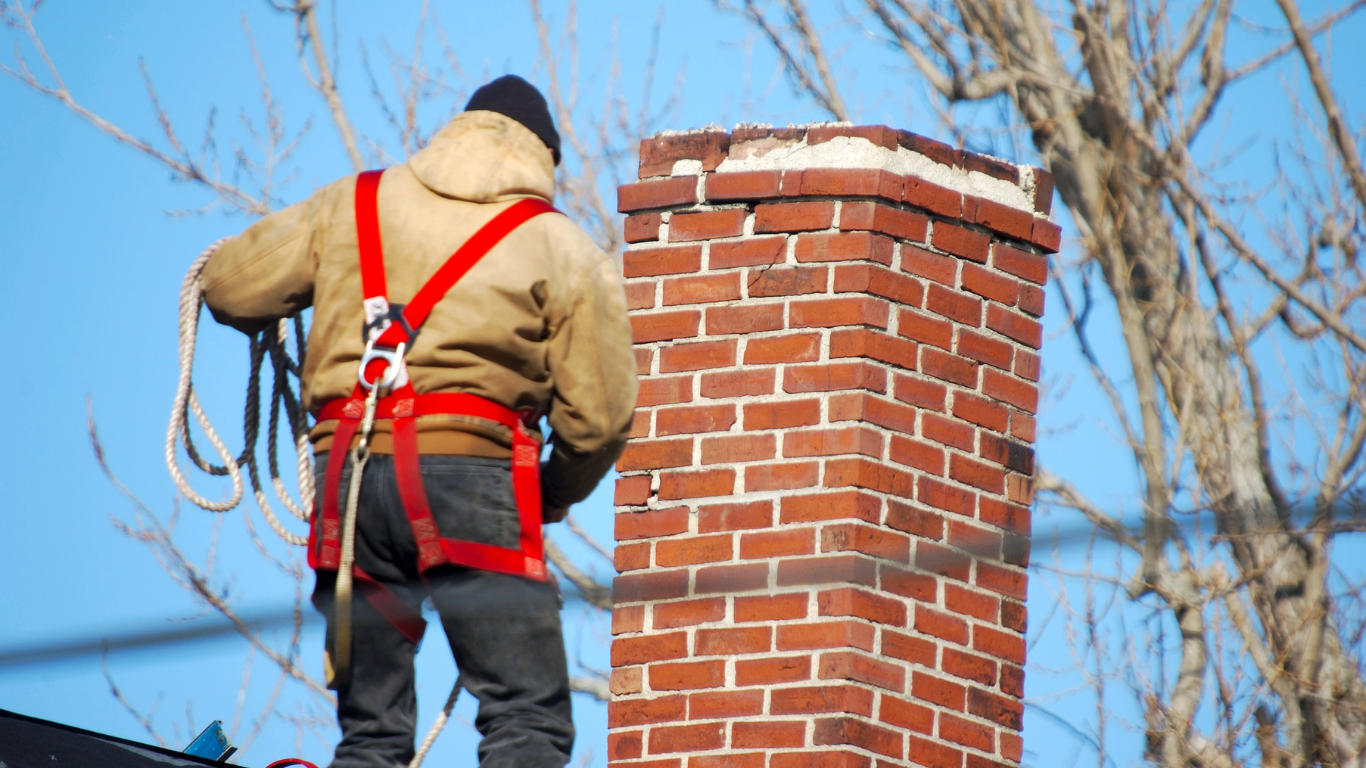
- Chimney structures
- Foundation transitions
Moisture is one of the biggest causes of ongoing masonry damage in historic properties.
My Approach to Restoring Historic Brickwork
Restoring older masonry requires patience, attention to detail, and a clear process. Every step is designed to preserve the structure while improving its durability.
Step One: Detailed Inspection of the Structure
Before starting any work, I take the time to fully inspect the brickwork.
This includes looking at:
- Brick condition across the entire wall
- Mortar joint depth and strength
- Areas of moisture exposure
- Signs of movement or shifting
- Previous repair work
- Chimney and roofline connections
Historic masonry often has layers of repairs from different time periods. Understanding what has been done before is key to planning the right restoration.
Step Two: Identifying What Can Be Preserved
Not all damage requires full replacement.
One of the most important parts of historic restoration is knowing what can be saved.
I determine:
- Which bricks are still structurally sound
- Which areas only need repointing
- Which sections require replacement
- Where reinforcement is needed
Preserving as much original material as possible helps maintain the character of the building.
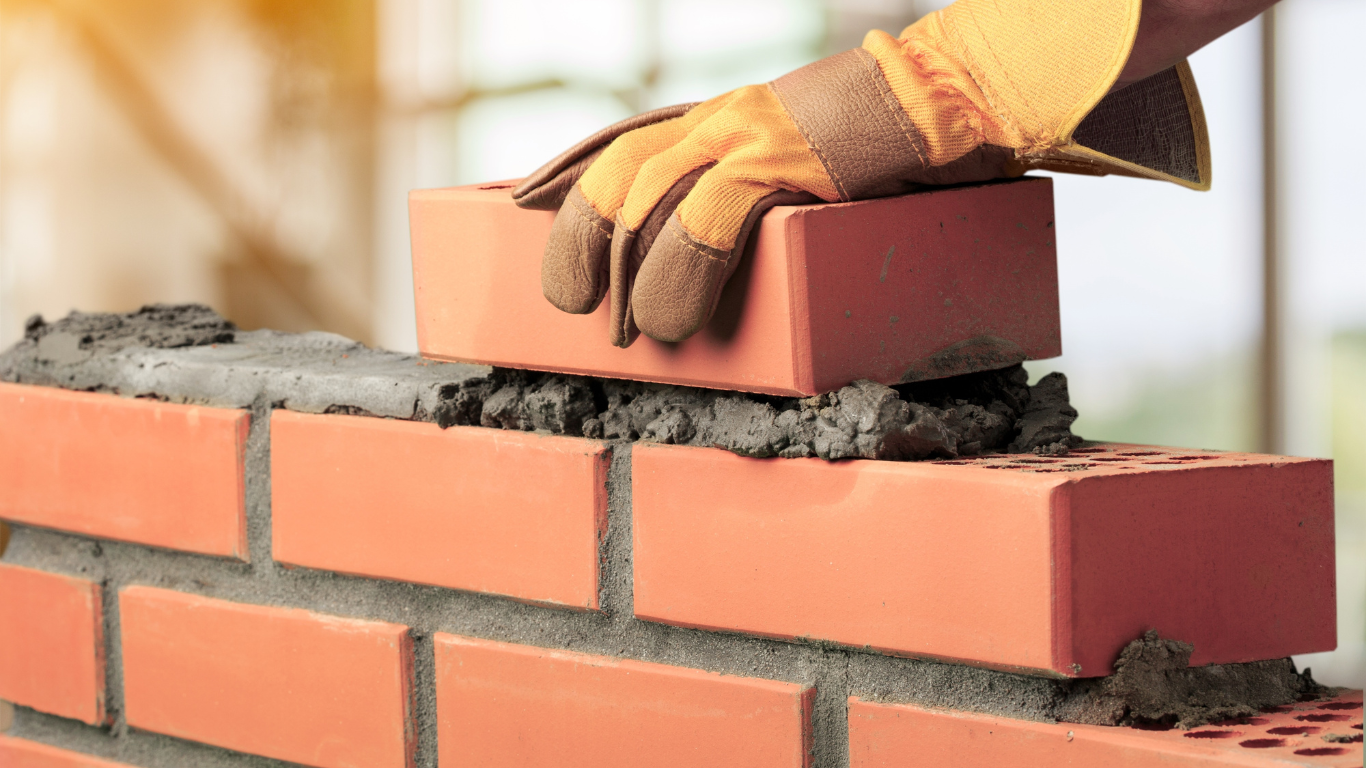
Step Three: Removing Deteriorated Mortar Carefully
Repointing is often a major part of historic restoration.
Old mortar is removed carefully using methods that avoid damaging the surrounding brick.
This process includes:
- Grinding out weakened joints
- Cleaning debris from the gaps
- Preparing the surface for new mortar
Because historic bricks are softer, this step must be done with extra care.
Step Four: Matching the Right Mortar
Mortar selection is critical in historic masonry.
Using the wrong type of mortar can cause long-term damage. Modern mortar is often too strong for older brick and can lead to cracking.
I use mortar that:
- Matches the original strength and composition
- Allows the brick to expand and contract naturally
- Bonds properly with the existing masonry
- Performs well in Ottawa’s climate
The goal is to recreate the balance that the original structure was designed with.
Step Five: Repointing for Strength and Protection
Once the joints are prepared and the right mortar is selected, repointing begins.
This step restores:
- Structural bonding between bricks
- Protection against moisture
- Stability across the wall
Each joint is filled carefully and finished to match the original style.
Proper joint finishing is important because it helps direct water away from the wall.
Step Six: Replacing Damaged Bricks When Necessary
When bricks are too damaged to repair, they need to be replaced.
This is done carefully to ensure:
- Minimal disruption to surrounding masonry
- Matching in color, size, and texture
- Proper structural placement
Replacement bricks should blend naturally with the existing wall.
The goal is not to make the repair stand out, but to maintain the building’s original look.
Step Seven: Addressing Moisture and Environmental Factors
Historic brickwork will continue to deteriorate if moisture problems are not addressed.
Part of the restoration process involves identifying and improving:
- Drainage around the building
- Water runoff from roofs and gutters
- Chimney exposure
- Areas where water collects
Controlling moisture is one of the most important steps in preserving historic masonry.
Step Eight: Finishing for a Seamless Appearance
Once the structural work is complete, finishing ensures the repair blends with the rest of the building.
This includes:
- Matching joint style and depth
- Aligning bricks properly
- Cleaning the masonry surface
- Ensuring a consistent overall look
A well-restored wall should look natural and unchanged, even though it has been strengthened.
Why Historic Brickwork Should Never Be Repaired with Quick Fixes
One of the biggest mistakes in masonry repair is treating historic brickwork the same as modern construction.
Quick fixes such as:
- Surface patching
- Using incorrect mortar
- Covering damage without proper removal
can lead to more serious problems later.
Historic masonry needs to breathe and move naturally. Repairs must support that function, not restrict it.
Long-Term Benefits of Proper Historic Brick Restoration
When historic brickwork is restored properly, it provides several long-term benefits.
Preserves Structural Integrity
The building remains strong and stable without unnecessary stress on the materials.
Maintains Original Character
The appearance of the property stays true to its original design.
Improves Weather Resistance
Proper repairs help protect against moisture and freeze-thaw damage.
Extends the Life of the Building
Well-restored masonry can last for decades without major issues.
Restoring Brickwork in Downtown Ottawa the Right Way
Downtown Ottawa properties are part of the city’s identity. Restoring their brickwork requires respect for the original craftsmanship and a focus on long-term durability.
My approach is built around:
- Careful inspection
- Preserving original materials
- Using the right mortar and techniques
- Strengthening the structure without altering its character
- Preventing future damage through proper repairs
Every project is different, but the goal is always the same: to restore the brickwork in a way that keeps the building strong, safe, and true to its original form.
Final Thoughts
Historic brickwork is meant to last, but it requires proper care and restoration over time.
In Downtown Ottawa, where buildings have stood for decades, masonry repair is not just about fixing damage. It is about preserving history while preparing the structure for the future.
When brickwork is restored correctly, it continues to perform, protect, and define the home for many years to come.
Taking the time to repair it properly ensures that the craftsmanship of the past remains part of the city for generations.