
Chimneys are one of the most exposed masonry structures on any home. In neighborhoods across Orleans and Downtown Ottawa, chimneys face constant stress from weather, temperature changes, and moisture. Over time, this exposure can cause brick deterioration, mortar erosion, and structural instability. When these issues develop, restoring the chimney properly becomes essential for both safety and long term durability.
A chimney is not simply an architectural feature. It is part of the ventilation system for fireplaces and heating appliances. If the masonry becomes compromised, it can create risks such as falling bricks, water leaks, and reduced structural stability. That is why chimney restoration must be approached carefully, with attention to the condition of every component of the structure.
Restoring chimneys in Orleans and Downtown Ottawa requires a thorough inspection, careful masonry repair, and techniques designed to withstand the region’s climate. The goal is always to strengthen the structure, prevent future deterioration, and ensure the chimney continues to function safely.
Why Chimneys Deteriorate Over Time
Even well built chimneys eventually begin to show signs of wear. Because they extend above the roofline, they are fully exposed to rain, snow, wind, and freezing temperatures.
Several factors contribute to chimney damage in Ottawa homes.
Freeze and Thaw Cycles
One of the most common causes of chimney deterioration is the freeze thaw cycle. When water penetrates small cracks in bricks or mortar joints, it freezes during colder temperatures. As the water expands into ice, it places pressure on the surrounding masonry. Repeated cycles gradually cause cracks, loose bricks, and surface damage.
Moisture Penetration
Moisture can enter chimneys through damaged mortar joints, cracked bricks, or deteriorated chimney crowns. Once water enters the masonry, it accelerates deterioration and may cause interior water leaks.
Aging Mortar Joints
Mortar naturally wears down over time. When mortar joints weaken or crumble, the bricks lose their structural support and the chimney becomes vulnerable to further damage.
Weather Exposure
Because chimneys are elevated structures, they receive direct exposure to wind driven rain and snow accumulation. This constant exposure increases the rate of wear compared to other masonry elements on the home.
Structural Movement
Homes can shift slightly over time as foundations settle or soil conditions change. Even small structural movements can cause cracks to appear in chimney masonry.
Signs That Chimney Restoration Is Needed
Homeowners in Orleans and Downtown Ottawa may notice several warning signs that indicate chimney masonry needs attention.
Cracked Bricks
Visible cracks in bricks can allow water to enter the chimney structure and weaken the masonry.
Loose or Missing Mortar
If mortar joints appear recessed, cracked, or missing, the chimney may require repointing to restore its strength.
Spalling Brick Surfaces
Spalling occurs when the outer surface of a brick begins to flake or crumble due to moisture damage.
Leaning or Tilting Chimneys
A chimney that appears to lean or shift may indicate structural movement and requires immediate evaluation.
Water Stains or Interior Leaks
Moisture entering through the chimney can cause staining on walls or ceilings inside the home.
Identifying these issues early allows repairs to be completed before the damage becomes more severe.
My Process for Restoring Chimneys Safely
Chimney restoration involves much more than replacing a few damaged bricks. Each repair must strengthen the structure while preventing further deterioration. The restoration process follows several key steps designed to ensure long lasting results.
Step One: Complete Chimney Inspection
Every restoration project begins with a full inspection of the chimney structure. This assessment helps determine the extent of the damage and identify any underlying causes.
During the inspection, several elements are evaluated.
The condition of the bricks is examined to identify cracks, spalling, or structural weakness. Mortar joints are checked to see whether they have deteriorated or separated from the bricks. The chimney crown and flashing are inspected to determine whether water may be entering the structure.
This comprehensive evaluation allows a repair plan to be developed that addresses both visible damage and hidden issues.
Step Two: Removing Damaged Masonry
Once the damaged areas have been identified, the next step is removing deteriorated materials.
Loose mortar is carefully removed from joints using specialized tools designed to avoid damaging surrounding bricks. If individual bricks are cracked or spalling, they are carefully extracted from the chimney structure.
Removing damaged masonry creates a stable base for new materials and ensures that repairs bond properly with the existing chimney.
Step Three: Replacing Damaged Bricks
When bricks have deteriorated beyond repair, they must be replaced with new bricks that match the existing masonry as closely as possible.
Matching the size, color, and texture of replacement bricks helps maintain the visual consistency of the chimney while restoring structural strength.
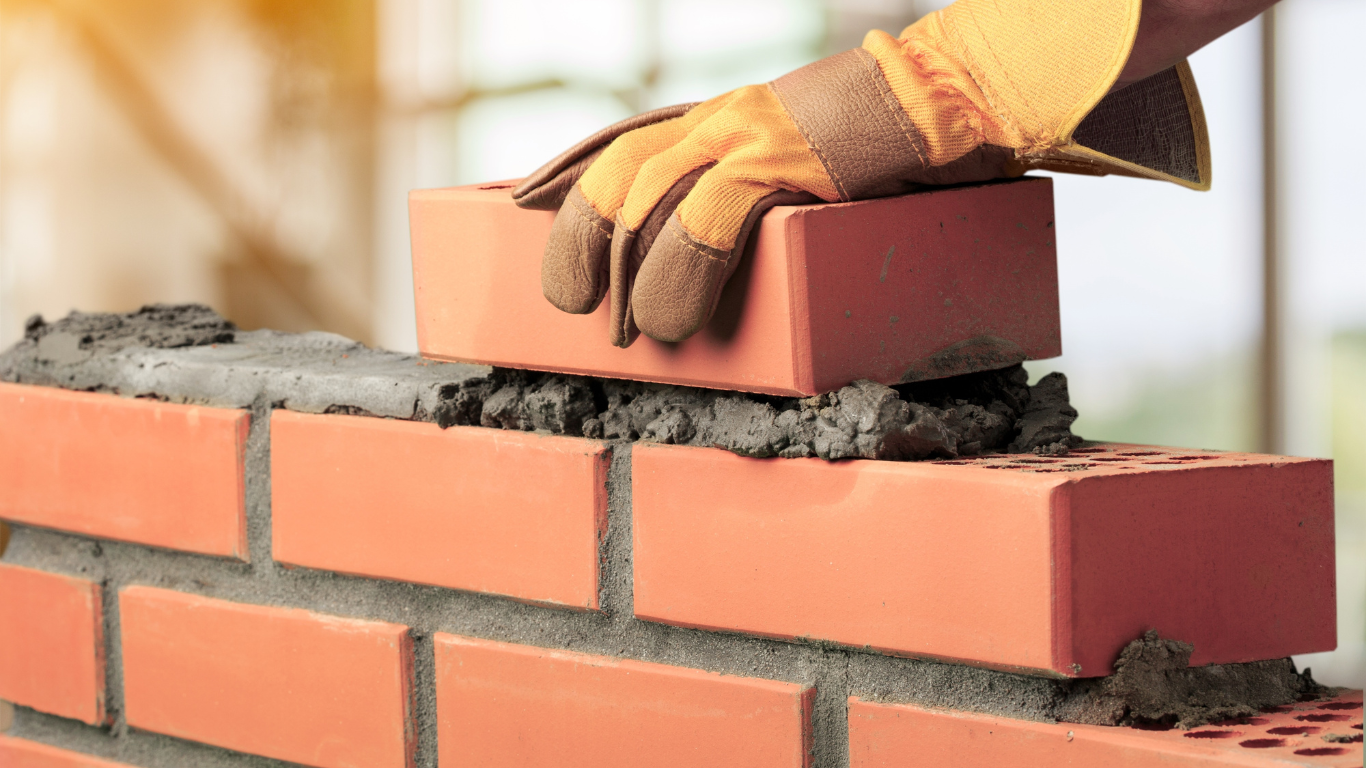
Each replacement brick is carefully set in place using a mortar mixture compatible with the original masonry.
Step Four: Repointing Mortar Joints
Repointing is one of the most important steps in chimney restoration. This process involves filling the cleaned mortar joints with fresh mortar that bonds the bricks together.
Proper repointing restores the strength of the chimney and prevents moisture from entering the masonry.
The mortar is shaped carefully to match the original joint style and to ensure proper water runoff from the surface.
Step Five: Repairing the Chimney Crown
The chimney crown sits at the top of the structure and helps protect the interior from water penetration. If the crown is cracked or deteriorated, it must be repaired or replaced.
A properly constructed crown directs water away from the chimney and reduces the risk of moisture entering the brickwork.
Restoring the crown is a critical part of ensuring long term durability.
Step Six: Ensuring Proper Sealing and Protection
Once the masonry repairs are completed, additional steps may be taken to help protect the chimney from future weather exposure.
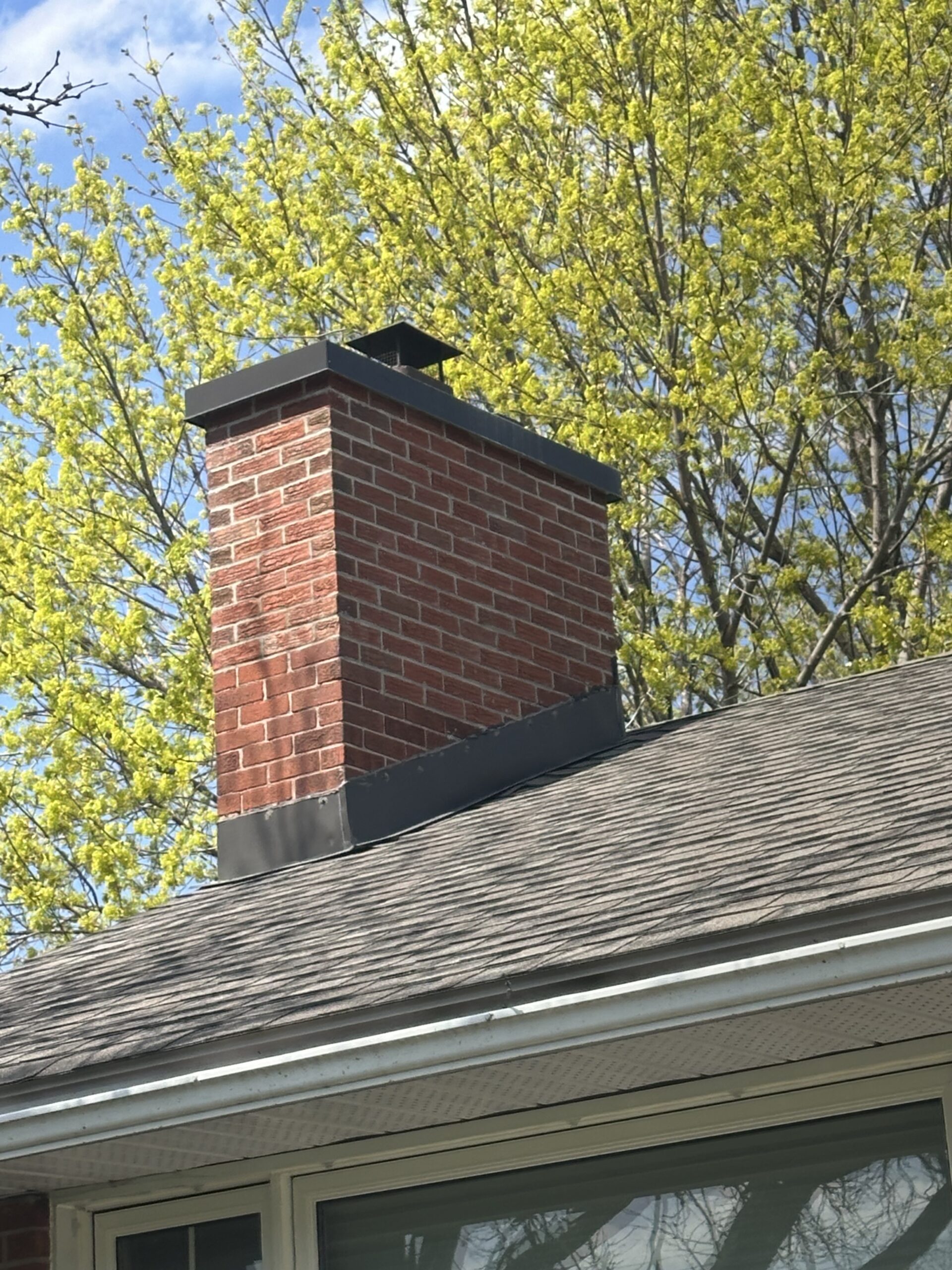
This may include improving flashing around the base of the chimney where it meets the roof. Proper flashing prevents water from entering the home where the chimney penetrates the roofline.
Ensuring that the chimney structure is properly sealed and protected helps extend the life of the restoration work.
Why Chimney Restoration Requires Careful Work
Chimneys are tall and narrow structures that rely on strong bonding between bricks and mortar. If repairs are not completed correctly, the chimney may become unstable.
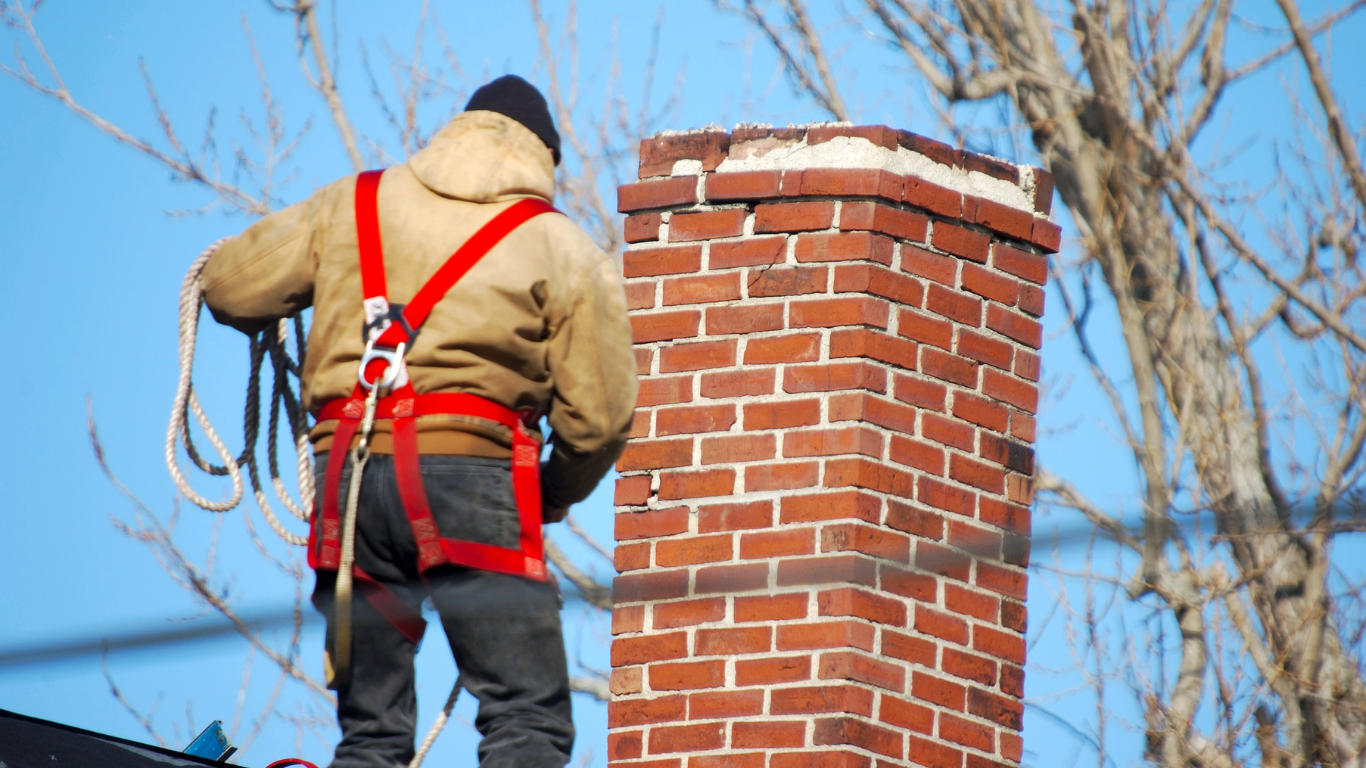
Working on elevated masonry also requires careful attention to safety during the repair process. Proper stabilization and access methods ensure that repairs can be completed without risking damage to the structure or surrounding roof.
Careful restoration protects the structural integrity of the chimney and ensures it continues to perform safely.
Chimney Restoration for Orleans and Downtown Ottawa Homes
Homes in Orleans and Downtown Ottawa vary widely in age and architectural style. Some properties feature newer masonry chimneys, while others include historic brick structures that have been part of the home for decades.
Restoring these chimneys requires techniques that respect the existing construction while strengthening the structure for modern conditions.
The restoration process focuses on preserving the original appearance of the masonry while ensuring the chimney remains durable enough to withstand Ottawa’s climate.
Maintaining Chimneys After Restoration
After chimney restoration is completed, homeowners can take several steps to maintain the structure and prevent future problems.
Regular visual inspections help identify early signs of damage such as cracks or missing mortar.
Keeping gutters and roof drainage systems clear helps prevent water from pooling near the chimney.
Scheduling periodic chimney cleaning ensures that soot and debris do not build up inside the flue.
Maintaining these components helps preserve the strength and safety of the chimney for years to come.
The Long Term Benefits of Proper Chimney Restoration
Restoring chimney masonry provides several important advantages for homes in Orleans and Downtown Ottawa.
Structural Safety
Repaired masonry strengthens the chimney and reduces the risk of falling bricks or structural instability.
Weather Protection
Sealed mortar joints and repaired crowns help prevent water infiltration and freeze thaw damage.
Improved Appearance
Chimney restoration restores the clean and consistent look of the masonry.
Extended Lifespan
A properly restored chimney can continue functioning safely for many years.
Final Thoughts
Chimneys are an essential part of many homes in Orleans and Downtown Ottawa, but they are also one of the most vulnerable masonry structures due to constant exposure to weather.
Over time, cracks, deteriorating mortar, and moisture infiltration can weaken the chimney and create safety concerns. Restoring chimneys safely requires a detailed process that includes inspection, removal of damaged materials, brick replacement, repointing, and protection against future weather exposure.
When chimney restoration is completed carefully and professionally, the structure can regain its strength and continue serving the home safely for many years.
By addressing chimney damage early and maintaining the masonry properly, homeowners can preserve both the safety and appearance of their property while protecting one of the most important structural features of the home.