
Many homeowners in Nepean and Ottawa tend to view small masonry problems as cosmetic issues. A tiny crack in a brick wall, a missing section of mortar, a loose brick on a chimney, or a small area of deteriorating parging may not seem urgent. Since these issues often develop gradually, it is easy to assume they can wait until a later date.
Unfortunately, masonry does not work that way.
Small masonry problems rarely stay small. In fact, some of the largest and most expensive repair projects I encounter started as minor issues that could have been corrected quickly and affordably if they had been addressed early. What begins as a small crack or deteriorating mortar joint can eventually lead to water infiltration, structural instability, extensive brick replacement, chimney rebuilding, or foundation repairs.
Throughout Nepean and Ottawa, the combination of harsh winters, freeze-thaw cycles, heavy rainfall, and seasonal temperature fluctuations accelerates masonry deterioration. This makes early intervention one of the most important investments homeowners can make.
In this blog, I will explain why small masonry repairs matter, how minor issues develop into major structural concerns, and why proactive maintenance can save homeowners significant money in the long run.
Understanding How Masonry Deterioration Begins
Masonry structures are incredibly durable, but they are not immune to aging and environmental stress.
Brick, stone, mortar, concrete, and chimney systems are constantly exposed to:
- Snow
- Ice
- Rain
- Wind
- Sunlight
- Temperature fluctuations
- Ground movement
Over time, these conditions create wear and tear on masonry materials.
Most major masonry failures do not happen overnight. They usually begin with small warning signs that many homeowners overlook.
These may include:
- Hairline cracks
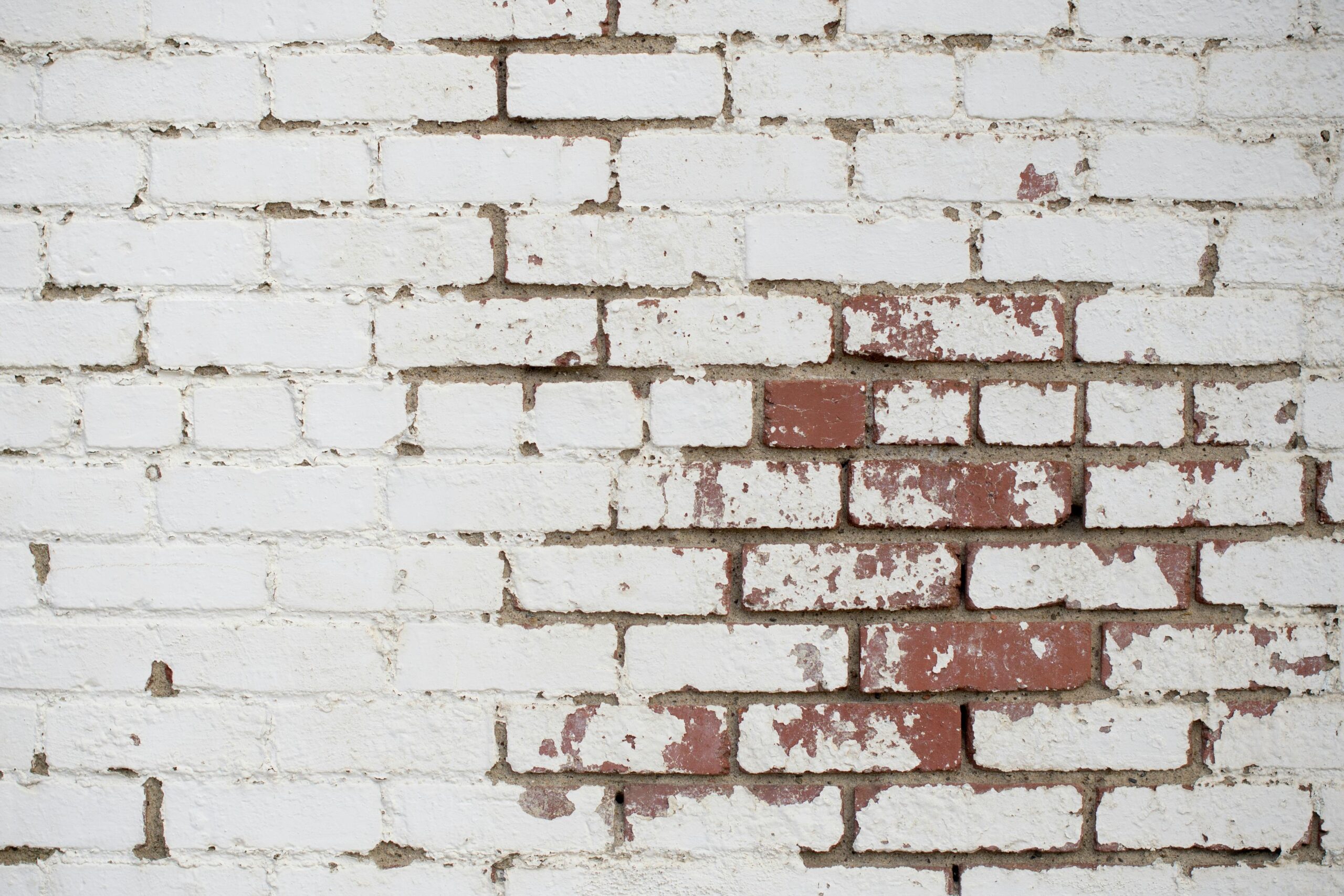
- Missing mortar
- Slight brick movement
- Minor parging damage
- Small areas of moisture staining
- Surface flaking
While these problems may seem insignificant at first, they often signal the beginning of larger issues developing beneath the surface.
Why Ottawa’s Climate Accelerates Masonry Damage
One reason small masonry repairs are so important in Ottawa and Nepean is the climate.
The freeze-thaw cycle is particularly damaging to masonry structures.
The process works like this:
- Moisture enters small cracks or mortar joints.
- Temperatures drop below freezing.
- Water freezes and expands.
- Pressure develops within the masonry.
- Cracks become larger.
- More moisture enters.
- The cycle repeats.
This process occurs repeatedly throughout Ottawa winters.
Even a tiny crack can grow significantly after just one season of freeze-thaw exposure.
That is why addressing masonry issues early is critical.
Small Cracks Often Lead to Bigger Problems
One of the most common issues homeowners notice is cracking.
Cracks may appear in:
- Brick walls
- Stone surfaces
- Chimneys
- Mortar joints
- Foundation parging
At first, these cracks may seem harmless.
However, every crack creates a pathway for moisture.
Once water enters the masonry system, deterioration begins accelerating.
Over time, small cracks can contribute to:
- Brick spalling
- Mortar deterioration
- Structural movement
- Water infiltration
- Chimney instability
Repairing a small crack today is often far less expensive than rebuilding damaged masonry later.
The Hidden Dangers of Missing Mortar
Mortar joints play a vital role in masonry structures.
They:
- Hold bricks and stones together
- Absorb movement
- Prevent moisture infiltration
- Distribute loads evenly
When mortar begins deteriorating, many homeowners ignore it because the damage appears minor.
However, deteriorated mortar often leads to:
- Loose bricks
- Water penetration
- Structural weakening
- Accelerated deterioration
Repointing a small section of mortar is usually straightforward.
Waiting until large sections fail often requires far more extensive restoration work.
Why Water Is Masonry’s Biggest Enemy
If there is one factor responsible for most masonry deterioration, it is water.
Moisture affects virtually every masonry component.
Water can enter through:
- Cracks
- Open mortar joints
- Damaged chimney crowns
- Failed flashing
- Deteriorating parging
Once inside, moisture can damage both masonry and surrounding building materials.
Common consequences include:
- Brick deterioration
- Stone damage
- Mold growth
- Interior leaks
- Foundation issues
- Structural movement
Small masonry repairs often focus on preventing moisture entry before larger damage develops.
How Small Chimney Repairs Prevent Major Rebuilds
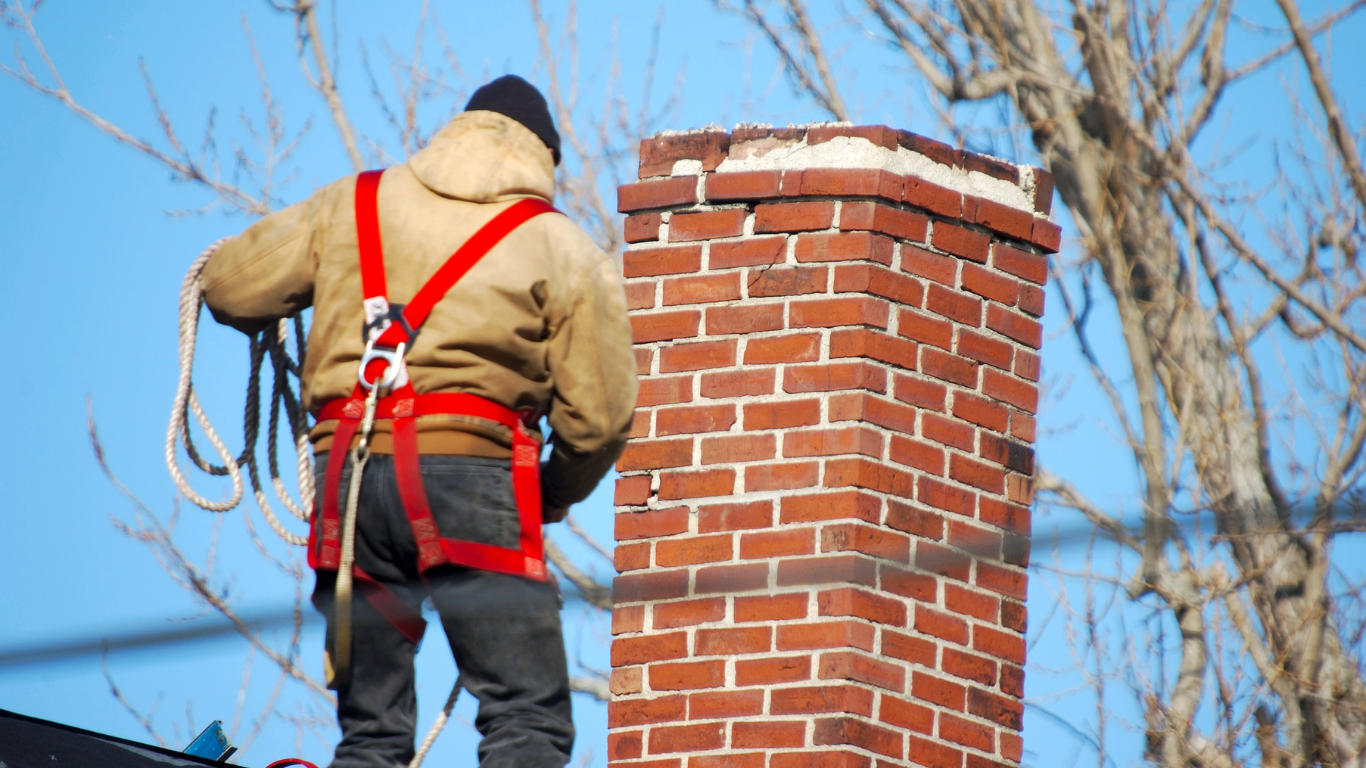
Chimneys are one of the most vulnerable masonry structures on any home.
Because they sit above the roofline, they experience constant exposure to weather.
Small chimney issues may include:
- Missing mortar
- Loose bricks
- Minor crown cracks
- Flashing problems
Many homeowners postpone chimney repairs because the damage appears limited.
However, chimney deterioration tends to accelerate rapidly once moisture begins entering the structure.
Without early repairs, homeowners may eventually face:
- Full chimney rebuilds
- Extensive brick replacement
- Water damage repairs
- Structural stabilization
Addressing minor chimney problems early can significantly reduce future costs.
Why Foundation Parging Repairs Matter
Parging is often viewed as cosmetic.
In reality, it plays an important protective role.
Small parging defects allow moisture to reach the exposed concrete foundation.
Over time, this can contribute to:
- Surface deterioration
- Cracking
- Water penetration
- Accelerated weathering
Repairing damaged parging early helps protect the foundation and extend its lifespan.
For homes throughout Ottawa and Nepean, foundation maintenance is especially important due to seasonal moisture exposure.
Brick Spalling Starts Small
Brick spalling occurs when the face of the brick begins to break away.
Initially, homeowners may notice:
- Small flakes
- Surface chips
- Minor texture changes
These signs often appear insignificant.
However, spalling typically worsens because moisture continues entering the brick.
Eventually, entire bricks may require replacement.
Replacing a few damaged bricks early is much more affordable than rebuilding large wall sections later.
Structural Movement Often Starts with Minor Symptoms
Some homeowners assume structural issues appear suddenly.
In reality, movement often begins gradually.
Early warning signs may include:
- Stair-step cracks
- Small separations
- Uneven brick lines
- Slight chimney leaning
When caught early, corrective measures are often simpler.
Ignoring these signs allows movement to continue, leading to more extensive repairs.
Why Preventative Masonry Maintenance Saves Money
One of the biggest advantages of addressing small masonry issues is cost control.
Consider the difference between:
Early Repair
- Repointing a small section
- Replacing a few bricks
- Repairing minor cracks
- Restoring small parging areas
Versus:
Delayed Repair
- Full wall reconstruction
- Chimney rebuilding
- Foundation restoration
- Extensive brick replacement
- Water damage remediation
The cost difference can be substantial.
Preventative maintenance helps homeowners avoid major restoration expenses.
My Approach to Small Masonry Repairs
When I inspect masonry throughout Ottawa and Nepean, I focus on identifying issues before they become major concerns.
My approach includes:
Thorough Inspection
I evaluate the entire masonry system, not just the visible damage.
Root Cause Identification
I determine why the problem developed in the first place.
Targeted Repairs
Small issues are addressed before they spread.
Moisture Management
Water infiltration concerns are corrected whenever possible.
Long-Term Solutions
Repairs are designed to withstand Ottawa’s climate and future weather exposure.
This proactive approach helps maximize the lifespan of masonry structures.
Common Areas Where Small Repairs Make a Big Difference
Several areas of a home benefit significantly from early masonry intervention.
Brick Walls
Small cracks and mortar deterioration should be addressed promptly.
Chimneys
Minor issues can quickly escalate due to constant weather exposure.
Foundations
Parging repairs help protect exposed concrete surfaces.
Stone Features
Early repointing helps preserve structural integrity.
Brick Steps
Loose bricks and deteriorating joints can create both safety and structural concerns.
The Value of Professional Masonry Assessments
Many masonry problems are difficult to evaluate without experience.
A professional assessment helps determine:
- Whether damage is cosmetic or structural
- The cause of deterioration
- Appropriate repair methods
- Future risk factors
This allows homeowners to make informed decisions before problems become more severe.
Why Homeowners in Ottawa and Nepean Should Act Early
The local climate makes early masonry repair particularly important.
Ottawa’s winters are demanding on masonry structures.
By addressing issues early, homeowners can:
- Prevent water infiltration
- Reduce structural risks
- Maintain curb appeal
- Protect property value
- Avoid larger repair costs
Small repairs completed at the right time often provide the greatest long-term return on investment.
Long-Term Benefits of Small Masonry Repairs
When minor issues are repaired promptly, homeowners enjoy several benefits.
Extended Masonry Lifespan
Structures remain durable for many more years.
Reduced Maintenance Costs
Major repairs are often avoided.
Better Structural Stability
Small problems do not have the opportunity to spread.
Improved Appearance
Masonry remains attractive and well-maintained.
Increased Property Value
Well-maintained masonry contributes positively to resale value.
Final Thoughts
Small masonry repairs may seem minor, but they often play a critical role in protecting homes throughout Nepean and Ottawa. Cracks, deteriorating mortar, damaged parging, loose bricks, and minor chimney issues are rarely isolated concerns. Left untreated, they frequently allow moisture to enter the masonry system, leading to accelerated deterioration, structural instability, and significantly higher repair costs.
My approach focuses on identifying these issues early, correcting the root causes, and performing repairs that help prevent future damage. Whether it involves brick repair, chimney restoration, mortar repointing, foundation parging repair, or stone masonry maintenance, proactive repairs are almost always more affordable and effective than waiting for major problems to develop.
For homeowners looking to protect their investment, maintain property value, and avoid costly structural repairs, addressing small masonry issues early remains one of the smartest decisions they can make.