
When I first bought my home in Ottawa, the backyard looked harmless enough—just a slightly sloped space that seemed easy to manage. It wasn’t until the first spring thaw that I realized how much that slope affected everything. Water pooled near the foundation, soil washed downhill after heavy rain, and parts of the yard were unusable because they stayed muddy for days.
At first, I tried small fixes like redirecting downspouts and adding more soil, but nothing solved the problem for good. Eventually, I learned that the real issue was the grade of the yard, and the solution I kept avoiding turned out to be the one that finally worked: installing a retaining wall.
Looking back, it completely changed how I use my outdoor space—not just visually, but structurally.
What Made the Yard Difficult to Maintain
The yard didn’t look steep enough to cause problems, which is probably why I ignored it for so long. But Ottawa’s weather made everything more noticeable.
These were the biggest challenges:
- Soil erosion after heavy rainfall
- Water collecting close to the foundation
- Grass that never grew evenly because the ground shifted
- A backyard that felt uneven and uncomfortable to walk on
- Meltwater flowing directly toward the house each spring
What seemed like a minor slope turned into a yearly maintenance headache.
How Ottawa’s Climate Made the Problem Worse
Ottawa’s freeze–thaw cycles aren’t just tough on brickwork—they affect landscaping, too. I didn’t realize how much shifting soil could cause long-term issues.
Here’s what I experienced:
- The ground expanded and contracted through winter
- Spring thaw washed soil downhill
- Rainfall in late summer eroded the same areas repeatedly
- The slope became more noticeable each year
The yard wasn’t just untidy—it was slowly changing shape.
Why I Chose a Retaining Wall Instead of Temporary Fixes
Before deciding on a retaining wall, I tried everything that felt easier and less permanent.
I attempted:
- Adding more topsoil
- Planting deeper-rooted grass
- Redirecting water with small trenches
- Re-seeding the same patches every spring
None of it lasted.
A retaining wall offered something the other solutions didn’t: structure. It created a barrier that held the soil exactly where it needed to stay, instead of letting nature reshape the yard every season.
How the Retaining Wall Solved Multiple Problems at Once
I originally expected the wall to only help with erosion, but it ended up fixing far more than that.
Here’s what changed almost immediately:
- Water stopped flowing toward the house
- The soil stabilized and stopped shifting
- The backyard became level and usable
- Muddy areas dried faster instead of staying swampy
- Grass and plants finally grew evenly
It didn’t just correct the slope—it transformed the entire layout.
Design Choices That Made a Difference
I learned that retaining walls do more than hold back soil. The design affects both function and appearance.
Decisions that worked well for my yard:
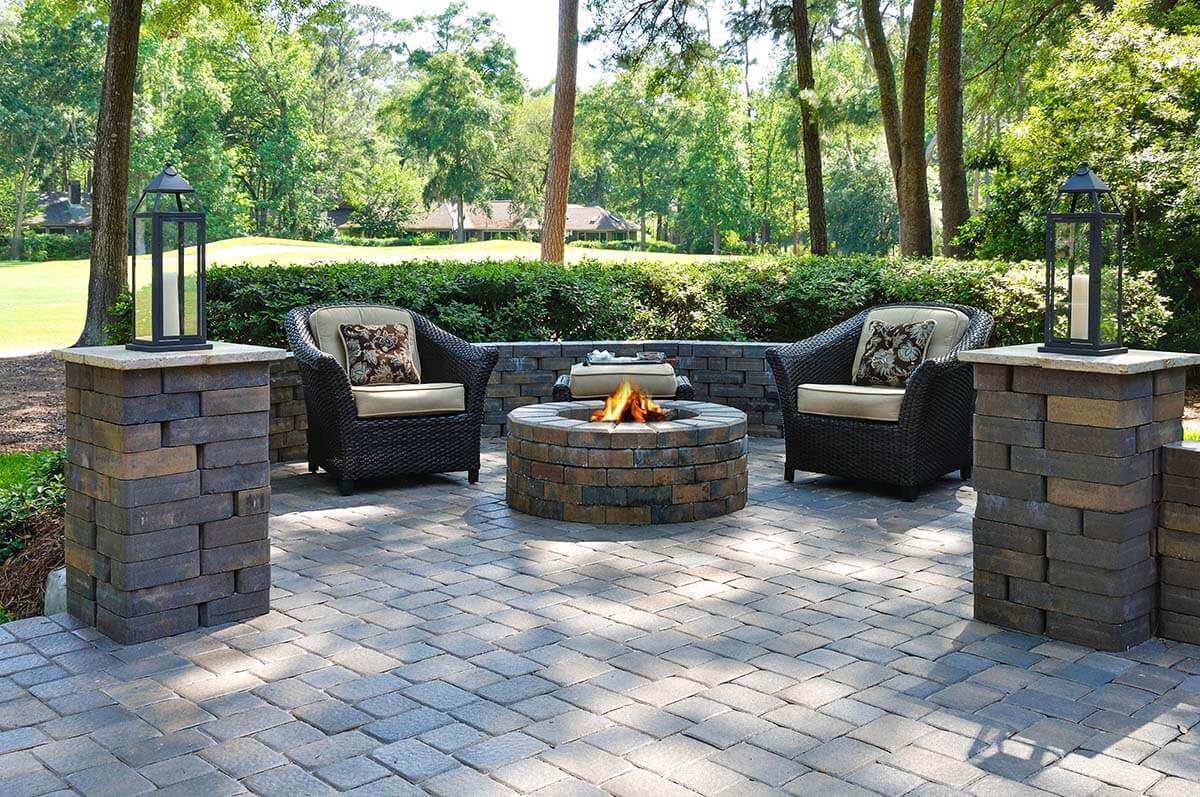
- Choosing stone that matched the home’s exterior
- Adding steps for easier access to the upper level
- Creating a level space that could support a patio
- Including drainage behind the wall to prevent pressure buildup
- Extending the wall slightly past the problem area for long-term stability
The wall became part of the landscape instead of just a solution.
Why Proper Drainage Was the Key to Success
I didn’t realize at first that retaining walls need drainage just as much as foundations do. Without it, water pressure builds up and causes the wall to shift.
What made the difference:
- Gravel and drainage behind the wall
- A base that allowed water to move downward
- Keeping soil away from the very top edge
- Ensuring the wall could release moisture instead of trapping it
Once the drainage was handled, the structure stopped relying on soil alone for support.
Unexpected Benefits After Installation
What surprised me most was how much the retaining wall improved the space in ways I didn’t expect.
Benefits I noticed later:
- The yard looked larger because areas became flat and usable
- Mowing became easier and safer
- Outdoor furniture finally sat level
- The space became more appealing for gatherings
- The home gained visual structure and depth
It changed the way the yard felt—more organized, more functional, and much more enjoyable.
How It Helped With Landscaping and Garden Planning
Before the wall, planting was difficult because soil kept shifting or washing away. After the wall, everything stayed in place.
What became possible:
- Raised garden beds
- Defined planting zones
- Decorative stone and mulch that stayed put
- Trees placed strategically without risk of root exposure
The yard finally stayed the way I designed it.
Maintenance Has Been Minimal Compared to Before
One of the biggest advantages has been how easy upkeep became.
Now I only:
- Check the wall once or twice a year
- Keep soil and plants from pushing against the structure
- Clear away debris from drainage areas
- Brush off dirt and leaves as needed
Compared to yearly erosion control, it’s almost effortless.
Final Thoughts
Installing a retaining wall in my Ottawa yard wasn’t just about solving a slope problem—it was about reclaiming a space I couldn’t fully use before. It stopped erosion, redirected water, and created level areas that completely changed how the yard functions.
Instead of dealing with constant repairs every spring, I now have a stable, attractive outdoor space that works with Ottawa’s climate instead of against it.