
Foundation walls play a critical role in protecting homes from structural damage, moisture intrusion, and environmental stress. In Barrhaven and Gloucester, where seasonal temperature swings and freeze thaw cycles are common, foundation surfaces often begin to show signs of wear over time. One of the most visible and protective layers of a foundation is the parging.
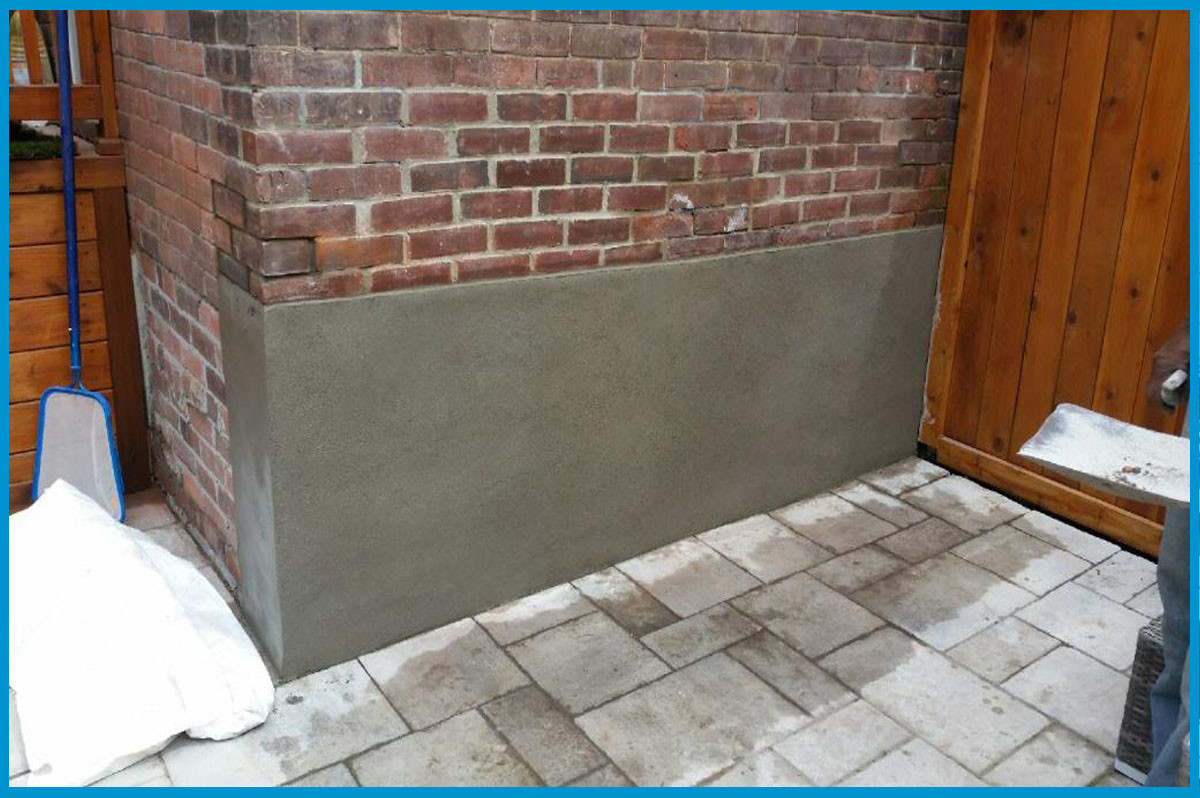
Parging is the smooth mortar coating applied over concrete or masonry foundation walls. It improves the appearance of the foundation while also helping to protect the underlying structure from moisture, weather exposure, and surface deterioration. When parging begins to crack, chip, or separate from the wall, it can expose the foundation to damage that worsens over time.
Repairing foundation parging properly requires more than simply patching visible cracks. A reliable repair process involves inspecting the structure, addressing the underlying cause of deterioration, and applying a durable finish that can withstand the environmental conditions found across Barrhaven and Gloucester homes.
This guide explains my proven process for repairing foundation parging and restoring the strength and appearance of foundation walls.
Understanding the Role of Parging on Foundations
Before discussing the repair process, it is important to understand what parging does and why it is used on residential foundations.
Parging is typically applied as a thin mortar coating over concrete block or poured concrete foundations. Its purpose is both functional and aesthetic.
First, parging creates a smooth and finished appearance that hides rough concrete surfaces. Many homeowners appreciate the clean look that parging provides along the lower portion of their exterior walls.
Second, parging acts as a protective layer. It shields the foundation from direct exposure to moisture, snow, ice, and temperature fluctuations.
Finally, parging helps prevent minor surface cracks from expanding. When properly installed, it provides an additional barrier that protects the structural integrity of the foundation.
Over time, however, this protective layer can begin to break down due to weather exposure and structural movement.
Why Parging Fails on Foundations
Foundation parging deterioration is common in homes across Barrhaven and Gloucester because of the region’s environmental conditions. Several factors contribute to parging failure.
Freeze and Thaw Cycles
Water infiltration is one of the primary causes of parging damage. When moisture enters small cracks and freezes during the winter, it expands and forces the parging away from the foundation surface. Repeated freeze thaw cycles gradually weaken the coating.
Soil Movement and Settlement
Foundations naturally shift slightly as the surrounding soil expands, contracts, or settles over time. This movement can cause parging to crack or detach from the foundation wall.
Improper Installation
In some cases, parging may have been applied without proper surface preparation or bonding agents. When the base surface is not cleaned and prepared correctly, the parging may not adhere well and can begin to flake or separate.
Age and Weather Exposure
Even properly installed parging will eventually wear down after many years of exposure to moisture, sunlight, and temperature fluctuations.
When these factors combine, the parging begins to deteriorate and exposes the foundation to additional environmental stress.
Signs That Parging Repair Is Needed
Homeowners in Barrhaven and Gloucester often notice several visible signs when foundation parging begins to fail.
Cracks in the Parging Surface
Small hairline cracks can appear when the coating begins to weaken. Over time, these cracks may expand and allow moisture to penetrate the surface.
Flaking or Peeling Parging
Parging may start to chip away from the wall, leaving rough areas or exposed concrete beneath.
Hollow Areas or Loose Sections
If the parging sounds hollow when tapped or feels loose, it may no longer be properly bonded to the foundation.
Moisture Staining
Water marks or discoloration along the foundation can indicate that moisture is penetrating the protective layer.
Recognizing these signs early allows for timely repairs that prevent further damage to the foundation wall.
My Proven Process for Parging Repair
Repairing foundation parging properly requires a structured process designed to restore both strength and durability. Every step plays an important role in ensuring the finished surface performs well under the conditions experienced in Barrhaven and Gloucester.
Step One: Comprehensive Foundation Inspection
The first step in the repair process is a detailed inspection of the foundation.
During this inspection, I examine the condition of the existing parging, the underlying concrete surface, and any signs of structural movement. This assessment helps determine whether the damage is limited to the parging layer or if deeper foundation issues need attention.
I also look for factors that may contribute to moisture problems, including poor drainage, soil grading, or water runoff patterns near the foundation.
Identifying the root cause of the damage ensures the repair process addresses both the visible deterioration and the conditions that created it.
Step Two: Removing Damaged Parging
Once the inspection is complete, the next step is removing all loose, cracked, or deteriorated parging material.
This step is essential because new parging cannot properly adhere to weak or unstable surfaces. Using specialized tools, the damaged coating is carefully chipped away until only solid material remains.
The exposed surface is then cleaned thoroughly to remove dust, debris, and contaminants that could interfere with adhesion.
This preparation stage creates a strong foundation for the new parging layer.
Step Three: Surface Preparation and Bonding
Proper surface preparation is critical for ensuring long lasting results.
Before applying new parging, the foundation surface is moistened and treated with bonding agents if necessary. This helps improve the adhesion between the concrete wall and the fresh mortar mixture.
Preparing the surface properly allows the new coating to bond securely and prevents premature separation.
Step Four: Applying High Quality Parging Mix
Once the surface is ready, a high quality parging mortar mixture is applied to the foundation wall.
The mortar is carefully spread and shaped to create a smooth and uniform surface. Attention is given to ensuring the coating maintains consistent thickness across the wall.
This layer not only restores the appearance of the foundation but also strengthens the protective barrier against moisture and environmental stress.
Step Five: Finishing and Smoothing the Surface
After the mortar is applied, the surface is carefully finished to achieve the desired texture and appearance.
The finish must be smooth enough to create a clean look while still allowing the surface to breathe and release trapped moisture. Proper finishing also helps the parging resist cracking during temperature fluctuations.
Step Six: Proper Curing and Protection
Freshly applied parging must cure properly to achieve maximum strength and durability.
During the curing period, the surface is protected from extreme weather conditions that could interfere with the bonding process.
Allowing the mortar to cure gradually ensures the finished surface remains strong and resistant to future damage.
Why Proper Parging Repair Matters
Many homeowners view parging as a purely cosmetic feature, but it actually plays an important protective role for the foundation.
When parging is damaged or missing, the underlying concrete becomes more vulnerable to moisture penetration and weather exposure.
Over time, this can lead to deeper cracks, surface deterioration, and potential structural concerns.
Repairing parging early helps prevent more serious foundation problems and extends the life of the structure.
Parging Repairs Designed for Barrhaven and Gloucester Homes
Homes in Barrhaven and Gloucester experience a wide range of weather conditions throughout the year.
Heavy snow, freezing temperatures, spring moisture, and summer heat all affect how masonry materials perform.
Because of these environmental factors, foundation repairs must be completed using materials and techniques designed for durability.
The repair process focuses on ensuring the new parging layer remains flexible enough to accommodate minor structural movement while still maintaining strong adhesion.
This balance allows the foundation to perform well despite seasonal expansion and contraction.
Maintaining Foundation Parging After Repairs
After the repair process is completed, homeowners can take several steps to help maintain the condition of their foundation walls.
Regularly inspecting the foundation for cracks or surface deterioration allows small issues to be addressed early.
Maintaining proper drainage around the home also plays an important role. Ensuring gutters and downspouts direct water away from the foundation helps reduce moisture exposure.
Keeping soil graded away from the house prevents water from pooling along the foundation walls.
These simple maintenance steps can significantly extend the life of the repaired parging.
The Long Term Benefits of Professional Parging Repair
Restoring damaged parging provides several important benefits for homes in Barrhaven and Gloucester.
Improved Foundation Protection
A properly repaired parging layer helps shield the foundation from moisture and weather exposure.
Enhanced Exterior Appearance
Smooth foundation walls contribute to a clean and finished exterior appearance.
Reduced Risk of Structural Damage
Protecting the foundation surface helps prevent deeper deterioration and structural issues.
Increased Longevity of Masonry
When maintained properly, foundation parging can last for many years before needing additional repairs.
Final Thoughts
Foundation parging plays an important role in protecting homes throughout Barrhaven and Gloucester. When this protective layer begins to crack, chip, or separate from the foundation, it exposes the underlying structure to environmental stress and moisture infiltration.
Repairing parging correctly requires a careful process that includes inspection, surface preparation, removal of damaged material, and the application of a durable new mortar coating.
By following a proven repair process and addressing the root causes of deterioration, foundation walls can be restored to their original strength and appearance.
Maintaining the condition of foundation parging helps ensure that homes remain protected against Ottawa’s challenging weather conditions while preserving the long term stability of the structure.